A quiet town near America’s northern border has unexpectedly become one of the best places in the country to see the Northern Lights. Thanks to heightened solar activity, exceptionally dark skies, and ideal geography, auroras are now appearing here more often and more vividly than ever before. This in-depth guide explains why it happened, what makes this town special, and how visitors can experience the lights themselves.
A Town That Used to Sleep Early — Until the Sky Woke Everyone Up
For decades, this American town was known for peace and predictability. Nights were quiet. Streets emptied early. Winters were long, cold, and dark—but in a comforting, familiar way. Locals expected stars, maybe the Milky Way on clear nights, and little else.
Then the sky changed.
One evening, a faint green glow appeared above the treeline. At first, residents assumed it was reflected light or thin clouds catching illumination from somewhere far away. But the glow didn’t stay still. It rippled. It stretched. It moved.
Phones came out. Messages spread. Someone posted a photo online with a hesitant caption:
“Is this the Northern Lights?”
It was.
Within hours, images from this sleepy town were circulating far beyond state lines. Within weeks, photographers, scientists, and travelers were paying attention. And before anyone realized what was happening, a place most Americans had never associated with auroras had quietly joined the list of elite Northern Lights viewing locations in the continental United States.
That town is International Falls, Minnesota.
Where Is International Falls — and Why Is It Suddenly Famous?
International Falls sits at the very top of Minnesota, pressed against the Canadian border. It’s small, remote, and famously cold. For generations, its claim to fame was its nickname: “The Icebox of the Nation.”
Auroras were never part of the town’s identity.
That changed during the current surge in solar activity.
Today, during strong geomagnetic storms, International Falls is seeing:
- More frequent aurora alerts than almost anywhere else in the Lower 48
- Brighter and longer-lasting auroral displays
- Clear naked-eye visibility without special equipment
What’s remarkable isn’t just that auroras appear here—but how often and how vividly they now show up.
Why This Town Became an Aurora Hotspot Almost Overnight
Auroras don’t choose locations randomly. They follow physics, geography, and timing. International Falls happens to sit at the perfect intersection of all three.
1. The Sun Is Entering One of Its Most Active Phases in Decades
The biggest reason this town suddenly matters lies far beyond Earth.
The Sun operates on an 11-year solar cycle, alternating between calmer periods and highly active ones. We are currently approaching the peak of Solar Cycle 25, and according to NASA and NOAA scientists, this cycle has been stronger than originally predicted.
That means:
- More sunspots
- More solar flares
- More coronal mass ejections (CMEs)
CMEs are massive clouds of charged particles launched from the Sun. When one of these eruptions is aimed directly at Earth, it can trigger a geomagnetic storm—the key ingredient for widespread auroras.
During recent storms, activity reached G4 (severe) and G5 (extreme) levels, strong enough to push auroras far south into the continental United States.
International Falls lies directly in the zone where these expanded auroras become visible first.
2. Geography Put the Town in the Perfect Position
Latitude matters more than most people realize.
International Falls is one of the northernmost towns in the Lower 48, giving it a built-in advantage. But it’s not just how far north it is—it’s how the land around it behaves.
The area features:
- Flat terrain
- Open northern horizons
- Forests and waterways instead of cities
This means auroras often appear earlier in the evening here than in places farther south. During strong storms, residents have reported seeing auroras shortly after sunset.
In aurora terms, this is prime real estate.
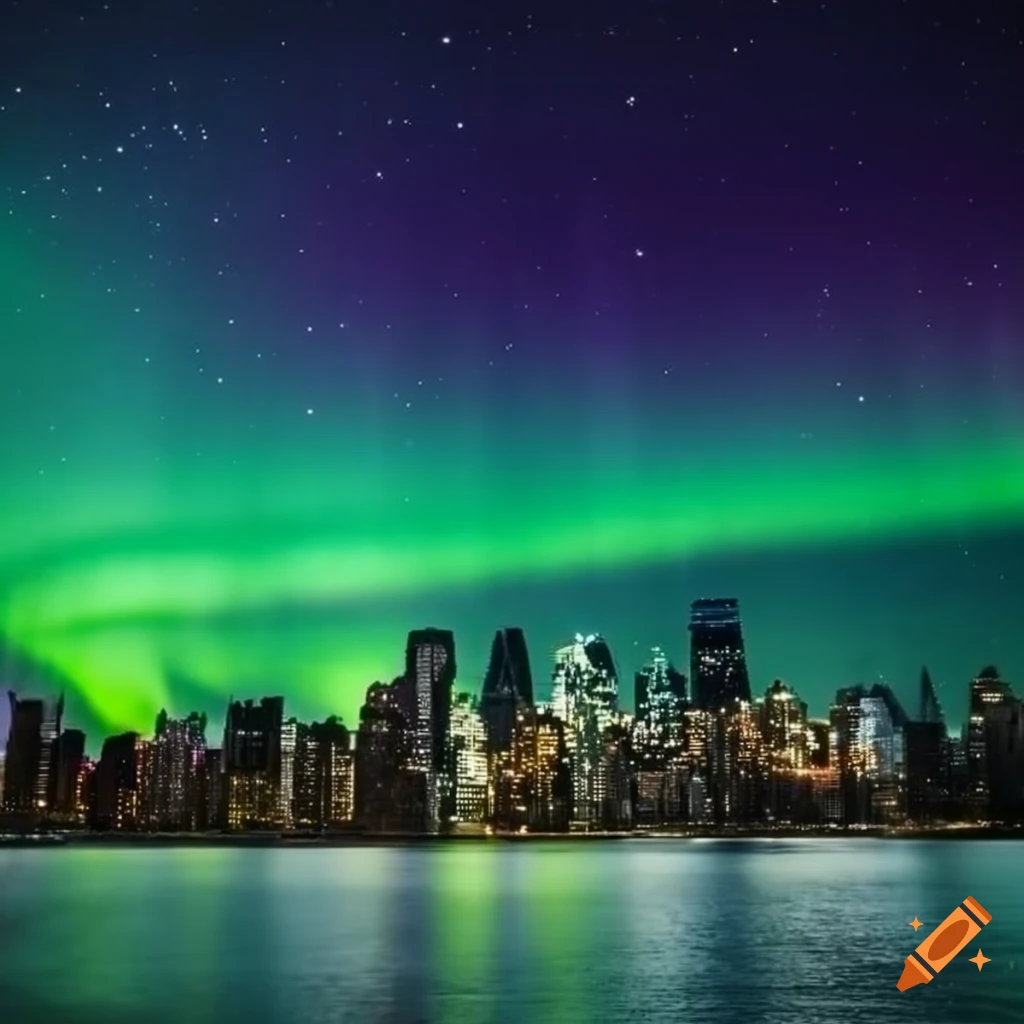
3. Exceptionally Dark Skies Make Every Aurora Stronger
Auroras exist whether or not we see them. Darkness determines visibility.
International Falls has very low light pollution. There are no nearby major cities, minimal highway lighting, and long stretches of natural darkness. According to astronomical light-pollution mapping, skies here are dark enough to clearly reveal:
- The Milky Way
- Dense star fields
- Faint atmospheric glow
When auroras appear, there’s nothing competing with them.
Even moderate auroral activity becomes visible here—while the same storm might go unnoticed in brighter regions.
What Locals Are Actually Seeing: Real-Life Experiences
This isn’t speculation. It’s lived experience.
Residents describe:
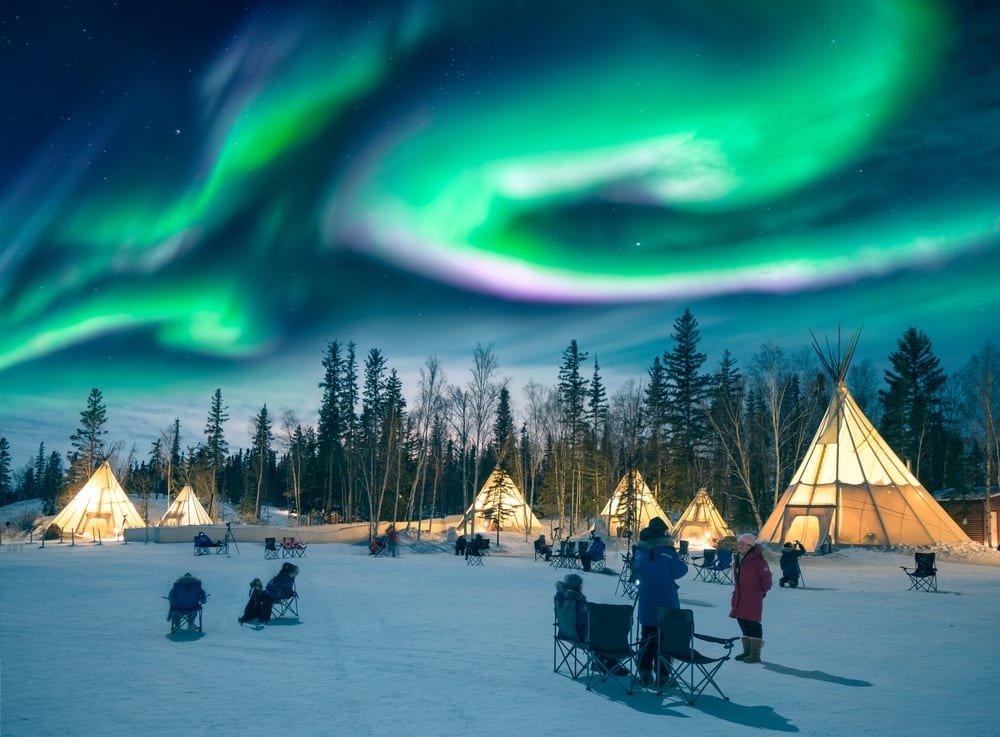
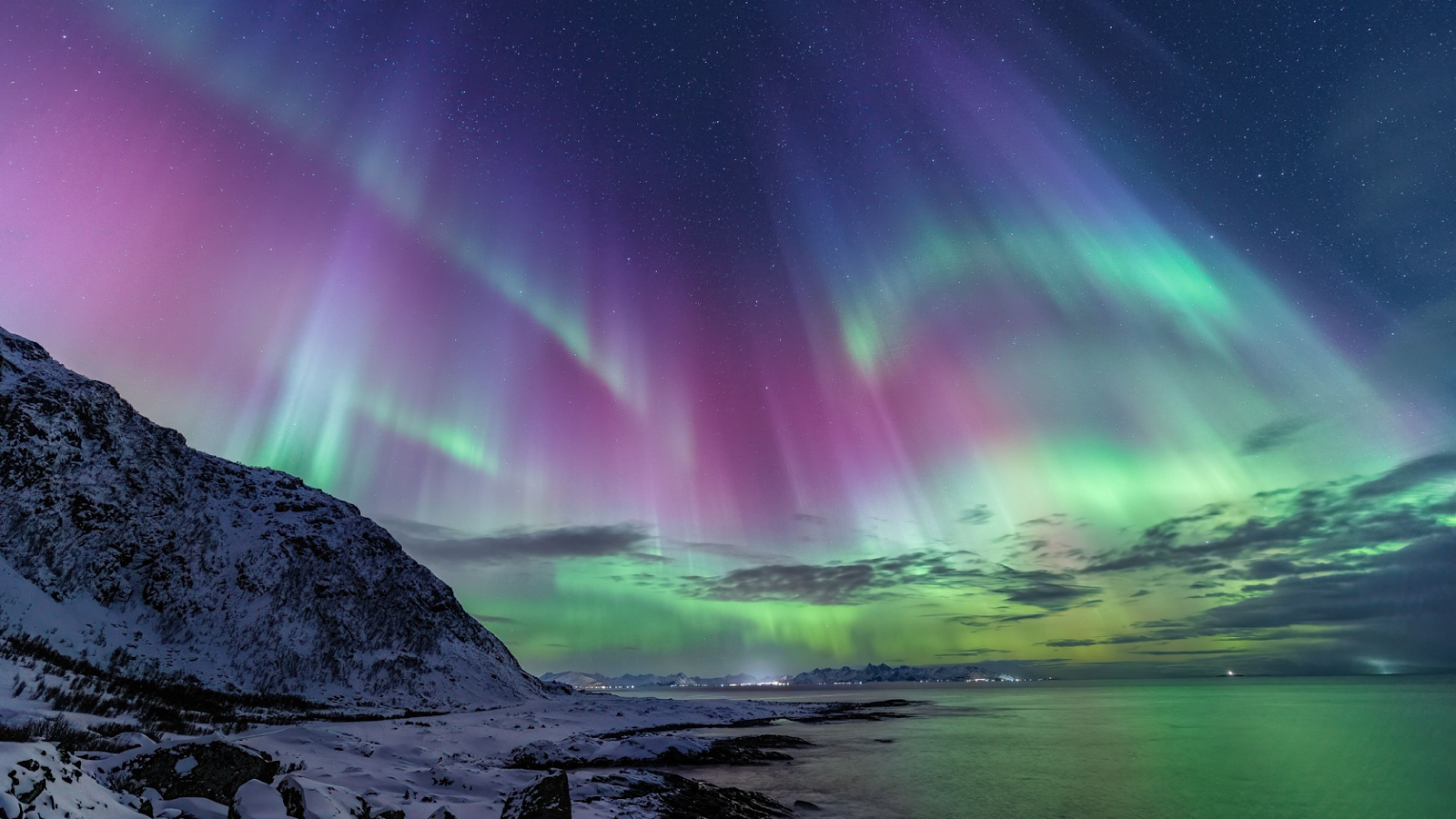
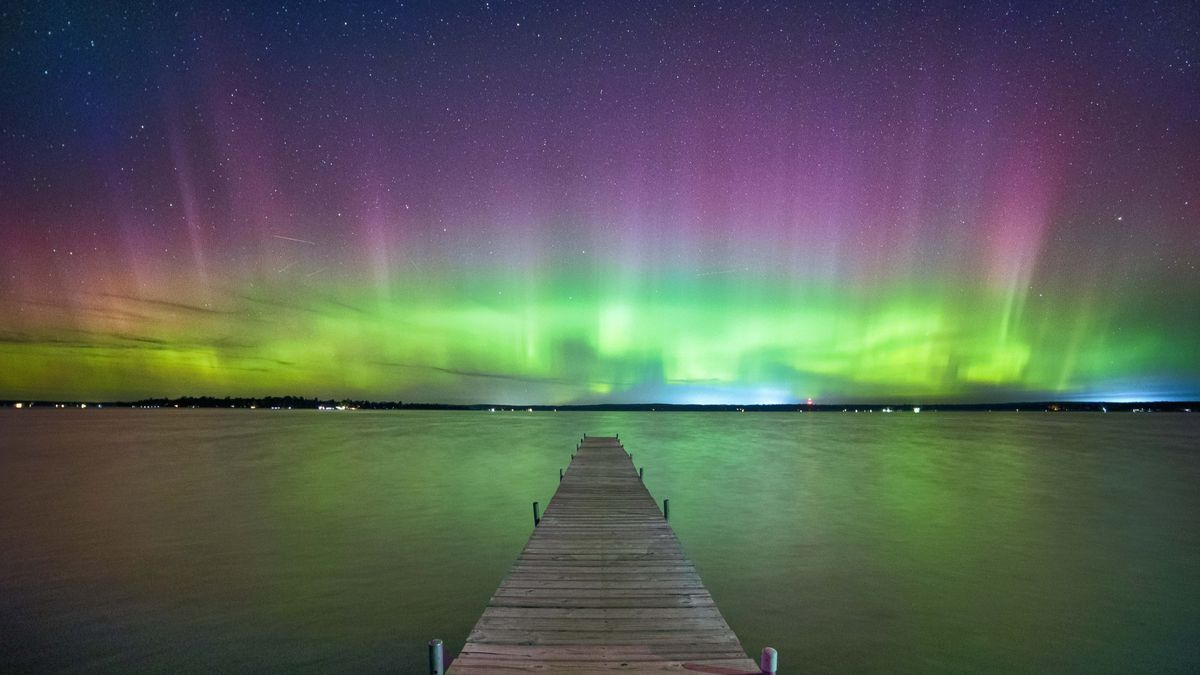
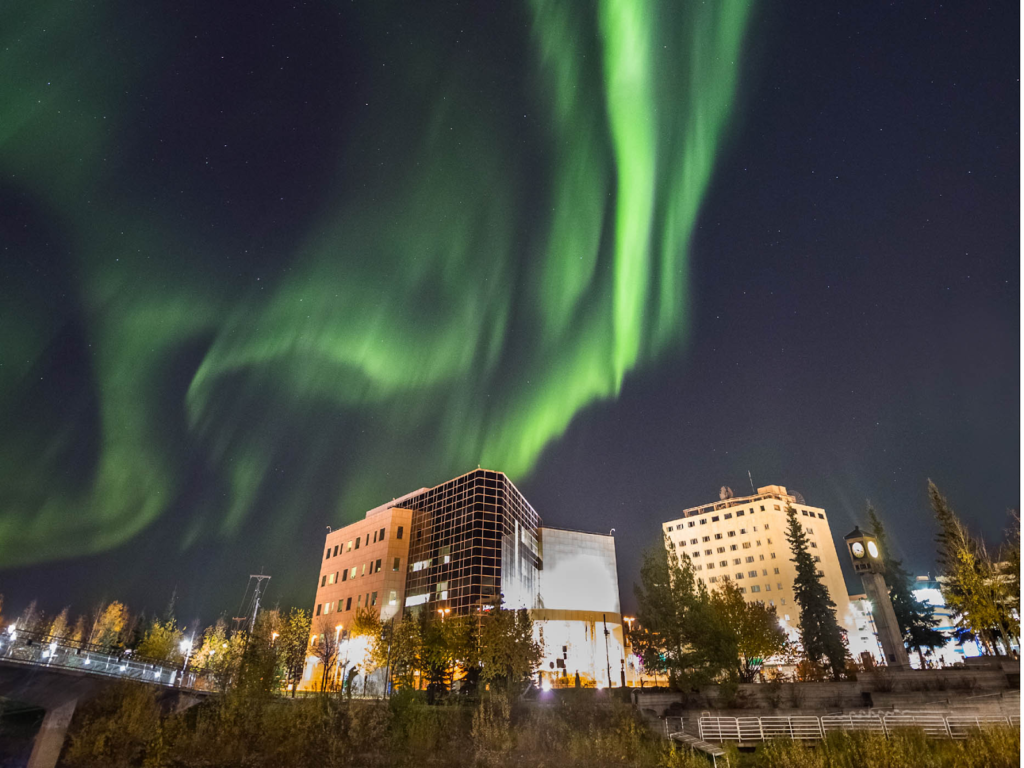
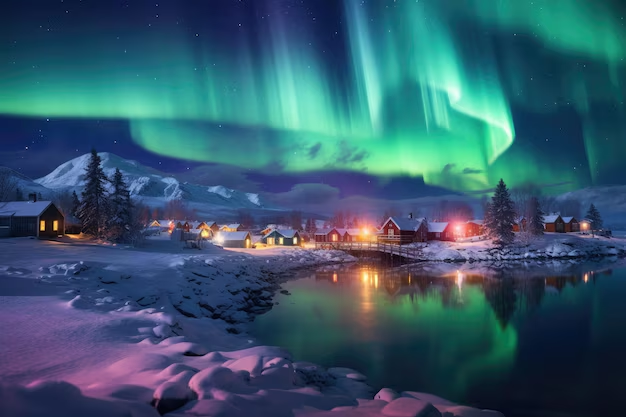
- Green curtains rippling across the entire sky
- Purple and pink hues forming near the horizon
- Displays lasting anywhere from 20 minutes to over an hour
- Auroras visible without cameras or binoculars
One lifelong resident said she had lived there for more than 40 years and had never witnessed anything like the recent displays. Another described stepping outside to let the dog out and forgetting why he’d gone outside at all—standing motionless, watching the sky move.
Photographers now plan trips around aurora forecasts, often capturing images that rival those taken in Alaska or Iceland.
Why This Quiet Town Can Compete With Famous Aurora Destinations
International Falls doesn’t replace Alaska—but it offers something different, and for many people, something better.
What Makes It So Appealing
- No international travel
- No passport
- No expensive aurora tours
- Easy road access
- Fewer crowds
Visitors often say the experience feels more personal. Instead of standing shoulder-to-shoulder on viewing platforms, they’re watching from frozen lakes, quiet roads, or their own backyards.
The silence makes the lights feel more powerful.
Is This a Once-in-a-Lifetime Event — or the New Normal?
This is one of the most common questions Americans are asking right now.
The Honest Answer
This is not a one-time fluke—but it’s also not permanent.
Solar Cycle 25 is expected to peak between 2024 and 2026, meaning:
- More frequent strong geomagnetic storms
- Continued aurora visibility in northern U.S. towns
- Reliable opportunities in places like International Falls
After the peak, activity will gradually decline, but auroras will not disappear entirely.
This town’s rise as an aurora hotspot is real—and it’s happening right now.
When Is the Best Time to See the Aurora Here?
Even the perfect location needs the right timing.
Best Conditions for Aurora Viewing
- Strong geomagnetic storms (Kp index 6 or higher)
- Clear skies
- Minimal moonlight
- Time window: 10:00 PM to 2:00 AM
Winter offers the longest darkness, but fall and early spring can also produce stunning displays when conditions align.
Common Mistakes First-Time Aurora Watchers Make
Many people miss auroras not because they weren’t there—but because of avoidable mistakes.
Common errors include:
- Leaving after 15–20 minutes
- Standing under streetlights
- Ignoring cloud forecasts
- Expecting auroras every night
Auroras often appear suddenly and fade quickly. Patience is essential.
What You Actually Need to See the Aurora (And What You Don’t)
You DO need
- Dark skies
- Clear weather
- Warm clothing
- Patience
You DON’T need
- Special glasses
- Professional camera gear
- Guided tours
- International flights
Strong auroras are clearly visible to the naked eye.
Why Americans Are Drawn to Quiet Aurora Towns
Travel preferences are changing.
More people are choosing:
- Fewer crowds
- Authentic experiences
- Nature without filters
- Moments that feel personal
Seeing the Northern Lights over a quiet American town—without noise, crowds, or hype—feels more meaningful to many travelers than seeing them in heavily commercialized destinations.
How Scientists View This Shift
For scientists, towns like International Falls are valuable observation points.
Researchers monitor:
- How far south auroras extend
- Storm intensity and duration
- Patterns during solar maximum
NOAA space-weather scientists have described the current period as one of the best opportunities in decades to study how solar storms affect mid-latitude regions.
Could Other Quiet Towns Follow the Same Path?
Possibly.
Towns with similar characteristics—northern latitude, dark skies, open horizons—are also seeing increased aurora activity, including parts of:
- Northern Minnesota
- Upper Michigan
- North Dakota
- Northern Maine
International Falls simply sits in one of the most favorable positions.
Frequently Asked Questions (Trending in the U.S.)
1. Can you really see the Northern Lights in this town?
Yes. During strong geomagnetic storms, auroras are visible to the naked eye.
2. Is this better than Alaska?
Not better—but far more accessible for many Americans.
3. Do I need special equipment?
No. Your eyes are enough during strong displays.
4. Why are auroras brighter here now?
Stronger solar activity is expanding the auroral zone.
5. Are auroras dangerous?
No. They occur far above Earth and are harmless.
6. How often do auroras appear here?
More frequently during solar maximum (2024–2026).
7. Can auroras appear suddenly?
Yes. They can begin within minutes.
8. Which direction should I look?
North, away from artificial light.
9. Do clouds ruin aurora viewing?
Yes. Clear skies are essential.
10. Is this the best aurora period in decades?
For the continental U.S., it’s among the strongest in 20+ years.
The Bigger Picture: Why This Feels So Meaningful
Auroras appearing over a quiet American town remind us of something powerful.
You don’t always have to travel far to experience wonder. Sometimes, it arrives unexpectedly—over a frozen lake, a silent road, or a familiar backyard.
For residents and visitors alike, seeing the sky move above a place they thought they knew has been emotional and unforgettable.
Final Takeaway
This quiet American town didn’t change.
The sky did.
Thanks to heightened solar activity, dark skies, and ideal geography, International Falls has become one of the best aurora viewing spots in the Lower 48—no passport required.
And for anyone lucky enough to be there on the right night, the experience is something they’ll never forget.