A once-quiet Midwest town has unexpectedly entered the global aurora spotlight as powerful solar storms push the Northern Lights far south. Residents, scientists, and travelers are buzzing as skies glow with rare color displays. This in-depth guide explains why it’s happening, which town is leading the excitement, how locals are reacting, and whether the Midwest could become America’s next aurora destination.
A Sky That Changed Everything Overnight
For generations, the Northern Lights felt like a distant fantasy for most Americans. You booked flights to Alaska, Iceland, or Norway. You planned months ahead. You spent thousands of dollars. And even then, there was no guarantee.
That’s why what happened recently in the American Midwest feels almost unreal.
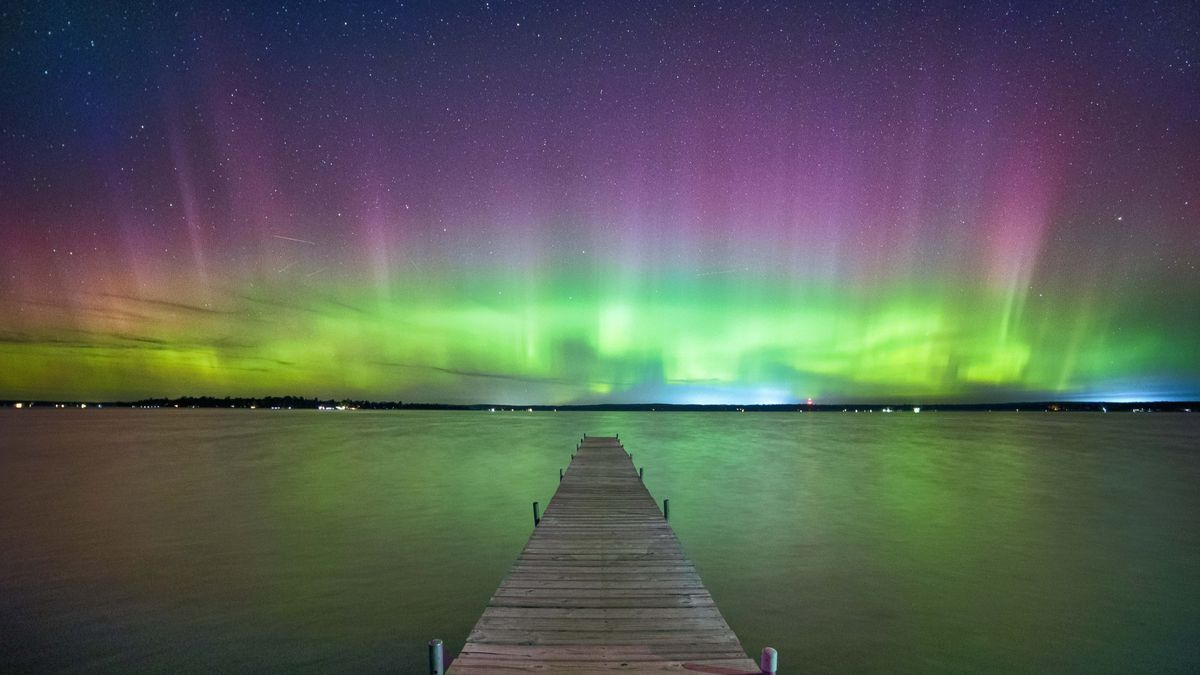
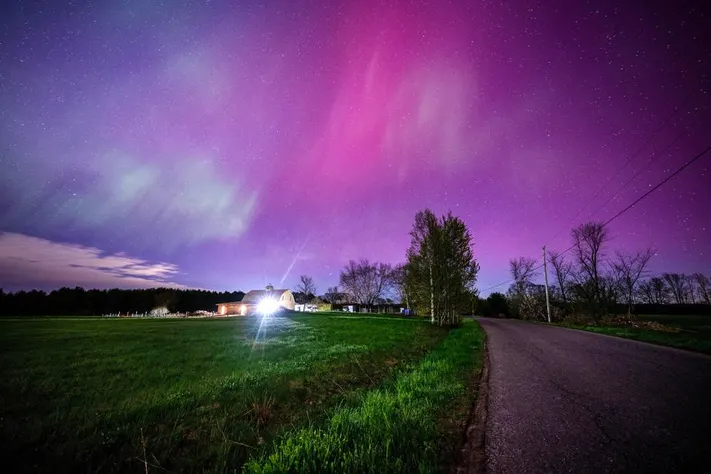
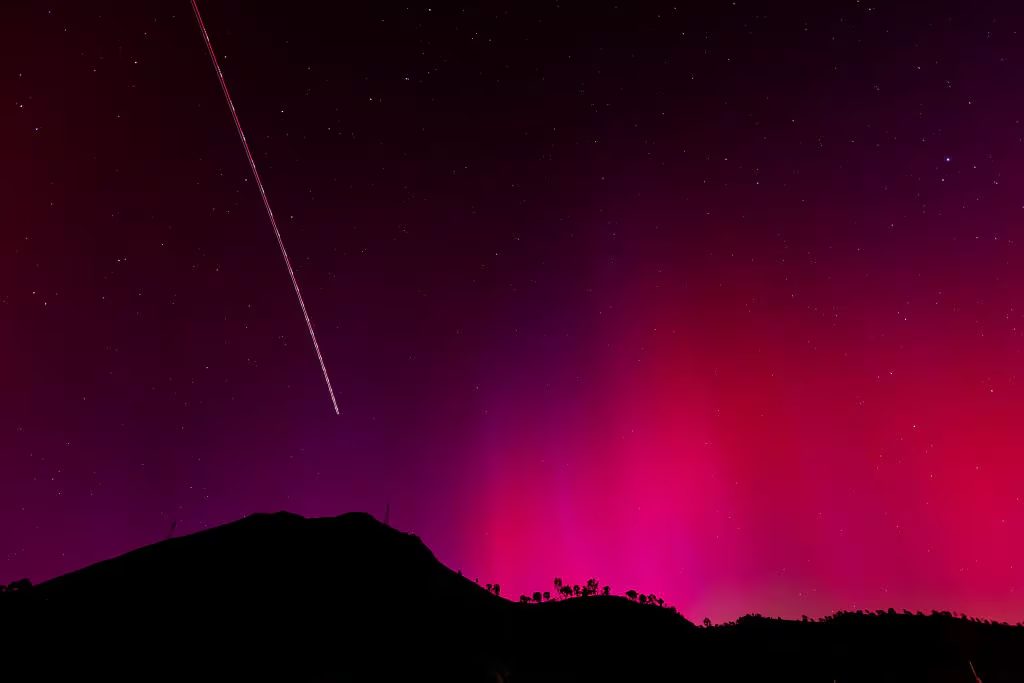
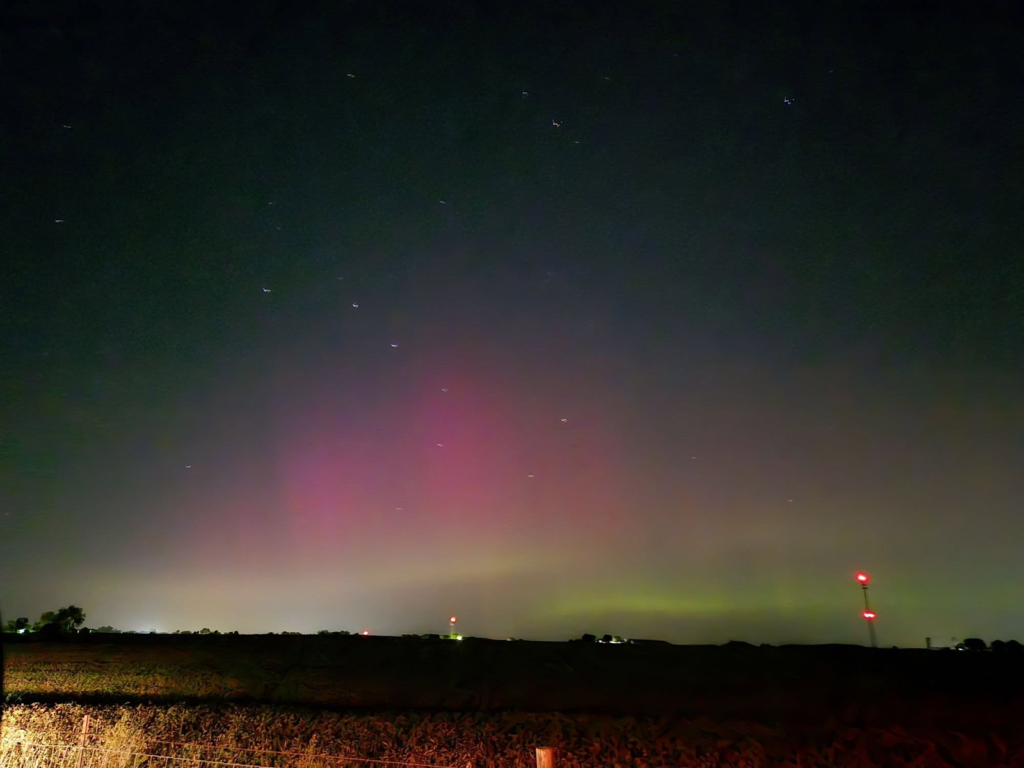
In a region better known for long winters, quiet lakes, and early sunsets, the sky suddenly came alive. Waves of green, purple, and crimson light stretched across the horizon. Curtains of color rippled overhead. Phones buzzed, neighbors shouted, and people poured into their yards wearing coats and disbelief.
Within hours, photos flooded social media. Within days, the town was mentioned by scientists, weather agencies, and national news outlets. And within weeks, one thing became clear:
This Midwest town had officially joined the aurora chase.
Which Midwest Town Is Everyone Talking About?
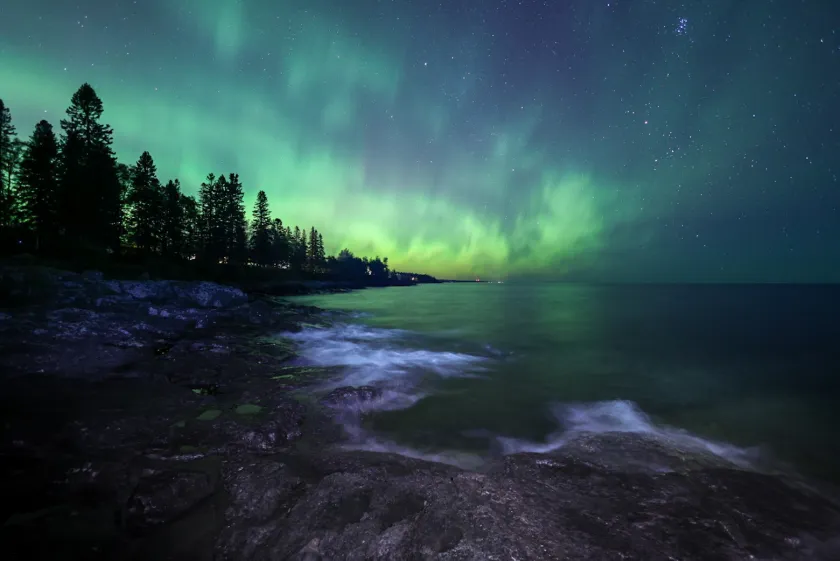
While auroras appeared across multiple states, Duluth, Minnesota quickly became the symbol of this moment.
Sitting along the shores of Lake Superior, Duluth has always had natural beauty—but auroras were never guaranteed. Occasional faint glows, maybe. A horizon shimmer once every few years. Nothing like this.
This time was different.
Residents reported:
- Bright green arcs directly overhead
- Purple and red hues visible without cameras
- Aurora reflections shimmering across frozen water
For many longtime locals, it was the first time in their lives they had seen a true aurora from home.
Other Midwest towns that joined the excitement include:
- Marquette, Michigan
- Ashland, Wisconsin
- International Falls, Minnesota
- Fargo, North Dakota
- Escanaba, Michigan
But Duluth’s combination of geography, dark skies, and timing made it the breakout star.
Why Are Auroras Suddenly Visible in the Midwest?
The Simple Science Behind the Surprise
Auroras occur when charged particles from the Sun collide with Earth’s atmosphere. Normally, Earth’s magnetic field funnels those particles toward the poles, keeping auroras locked near the Arctic and Antarctic.
Right now, that system is under pressure.
The Sun is entering the most active phase of its 11-year solar cycle, known as solar maximum. During this period, the Sun releases:
- More sunspots
- More solar flares
- More coronal mass ejections (CMEs)
When a CME is aimed directly at Earth, it can trigger a geomagnetic storm. Strong storms stretch Earth’s magnetic field and push auroras farther south than usual.
In plain English:
The Sun is throwing stronger energy at Earth, and the sky is responding in places that rarely see it.
Why This Moment Feels Different Than Past Aurora Events
The Midwest has seen auroras before—but rarely like this.
What Makes This Event Stand Out
- Intensity: These were not faint glows; they were structured, colorful displays
- Frequency: Multiple aurora nights occurred in a short time span
- Visibility: Many people saw auroras with the naked eye
- Reach: Auroras were visible hundreds of miles south of their usual range
According to space weather experts, this level of activity hasn’t been common since the early 2000s.
Real-Life Stories From the Ground
The science explains the “why,” but the human reactions explain the buzz.
One Duluth resident shared that she almost ignored the alert on her phone. When she stepped outside, she froze. The sky above her neighborhood was glowing green, slowly moving like waves.
Another family said they woke their children at 1 a.m. despite school the next day. They stood together in silence, watching the lights ripple above their backyard.
Local photographers described pulling over on highways, setting up tripods in sub-zero temperatures, and realizing they were capturing images they never thought possible without leaving the state.
These weren’t tourists chasing auroras.
These were people watching their own town transform overnight.
How Social Media Turned a Local Event Into a National Story
Within hours, the aurora sightings went viral.
Platforms that fueled the explosion included:
- TikTok, where short clips reached millions of views
- Instagram, flooded with long-exposure lake reflections
- YouTube, featuring time-lapse videos and live sky cams
- X (Twitter), where scientists amplified forecasts and explanations
Hashtags like #MidwestAurora, #AuroraOverAmerica, and #NorthernLightsUSA surged, pulling national attention toward towns rarely in the spotlight.
The result was immediate:
- Increased travel searches
- Fully booked hotels on aurora forecast nights
- Restaurants staying open late for skywatchers
A cosmic event became an economic and cultural moment.
Are Scientists Surprised by This Aurora Expansion?
Short answer: Not entirely—but the scale impressed them.
Space weather scientists expected increased auroral activity as solar maximum approaches. What caught their attention was:
- How far south the auroras reached
- How vivid the colors appeared
- How often strong storms occurred close together
Researchers from NOAA’s Space Weather Prediction Center have emphasized that the Sun is behaving aggressively—but within predicted limits.
Their conclusion is important:
This is not the end of Midwest auroras. It may only be the beginning.
Is This a One-Time Miracle or a New Midwest Reality?
This is one of the most searched questions in America right now.
The Honest Answer
- Auroras will not become nightly in the Midwest
- But strong aurora events will become more common over the next 1–2 years
Solar Cycle 25 is expected to peak between 2024 and 2026, meaning multiple opportunities for auroras to reach farther south than usual.
In other words, the Midwest has officially entered the aurora conversation—even if it won’t replace Alaska.
How to See the Aurora From the Midwest
If you want to experience it yourself, preparation matters.
Practical Aurora-Viewing Tips
- Get away from city lights
- Face north or toward large bodies of water
- Check geomagnetic storm alerts (Kp index 6 or higher)
- Look between 10 p.m. and 2 a.m.
- Stay patient—auroras come in waves
Common Mistake
Many people check once, see nothing, and give up. Locals report that the best displays often appear suddenly, sometimes after midnight.
Why Lakes and Small Towns Matter for Aurora Viewing
Large lakes like Lake Superior create:
- Dark horizons
- Clear sightlines
- Fewer artificial lights
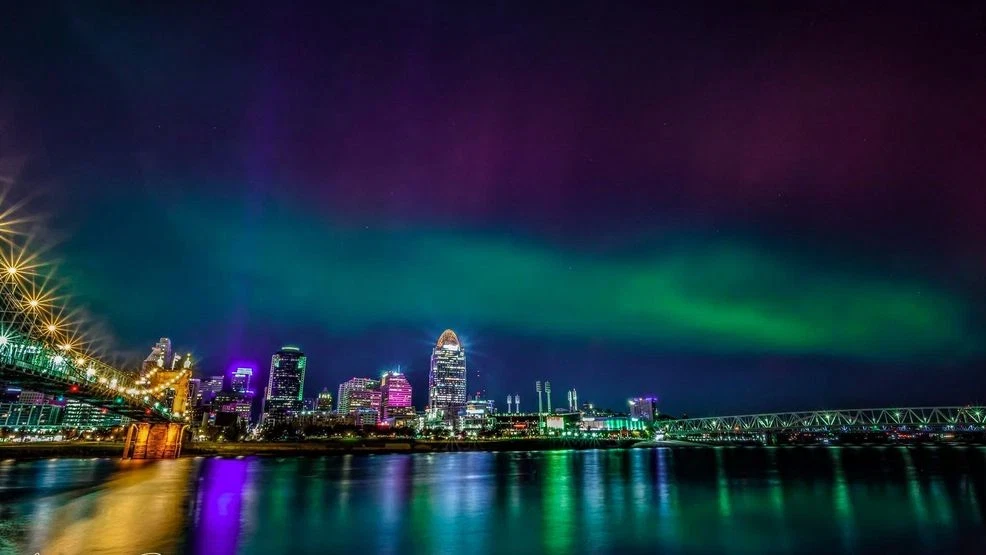
Smaller towns benefit from less light pollution, making auroras appear brighter and more detailed.
This is why places like Duluth, Marquette, and Ashland are gaining attention over larger cities.
Why This Event Matters Beyond the Sky
Auroras aren’t just beautiful—they’re powerful reminders.
They:
- Spark curiosity about science
- Unite communities in shared wonder
- Highlight Earth’s connection to the Sun
- Encourage people to look up again
In a digital age, moments like this pull people outside and together.
What This Means for the Rest of the Midwest
If one town can see auroras this vividly, others may too.
States increasingly included in forecasts:
- Minnesota
- Wisconsin
- Michigan
- North Dakota
- South Dakota
- Iowa
- Illinois
- Indiana
The Midwest is no longer excluded from aurora maps—it’s just more selective.
Frequently Asked Questions (Trending in the U.S.)
1. Why are Northern Lights appearing in the Midwest now?
Because the Sun is nearing solar maximum, producing stronger geomagnetic storms that push auroras farther south.
2. Is it safe to watch auroras?
Yes. Auroras are harmless to people on the ground.
3. Can you see auroras without a camera?
During strong storms, yes—many people saw them clearly with the naked eye.
4. Why do photos show more color than eyes?
Cameras use long exposure, capturing colors the human eye sees more faintly.
5. How often will this happen again?
Strong aurora events are expected multiple times through 2026.
6. What time is best to watch?
Typically between 10 p.m. and 2 a.m., though peaks vary.
7. Do I need special equipment?
No. A warm coat and patience matter more than gear.
8. Why are lakes ideal for aurora viewing?
They offer dark, unobstructed northern horizons.
9. Can kids watch auroras safely?
Absolutely—just dress warmly and supervise.
10. Is this the best aurora period in decades?
For many U.S. locations, yes. Activity hasn’t been this strong in over 20 years.
The Bigger Picture: A Midwest Identity Shift
This moment is changing how people see the Midwest.
Not just flyover country.
Not just farmland and cold winters.
But a place where cosmic events unfold overhead—where ordinary towns become extraordinary under the right sky.
For residents, the excitement isn’t about fame. It’s about realizing that wonder doesn’t always require travel. Sometimes, it shows up right where you live.
Final Thoughts
This Midwest town didn’t chase the aurora.
The aurora came to it.
As the Sun continues its active phase, more Americans may experience what was once rare: standing in their own driveway, looking up, and watching the sky move.
And for this town—and many others like it—the night sky may never feel ordinary again.