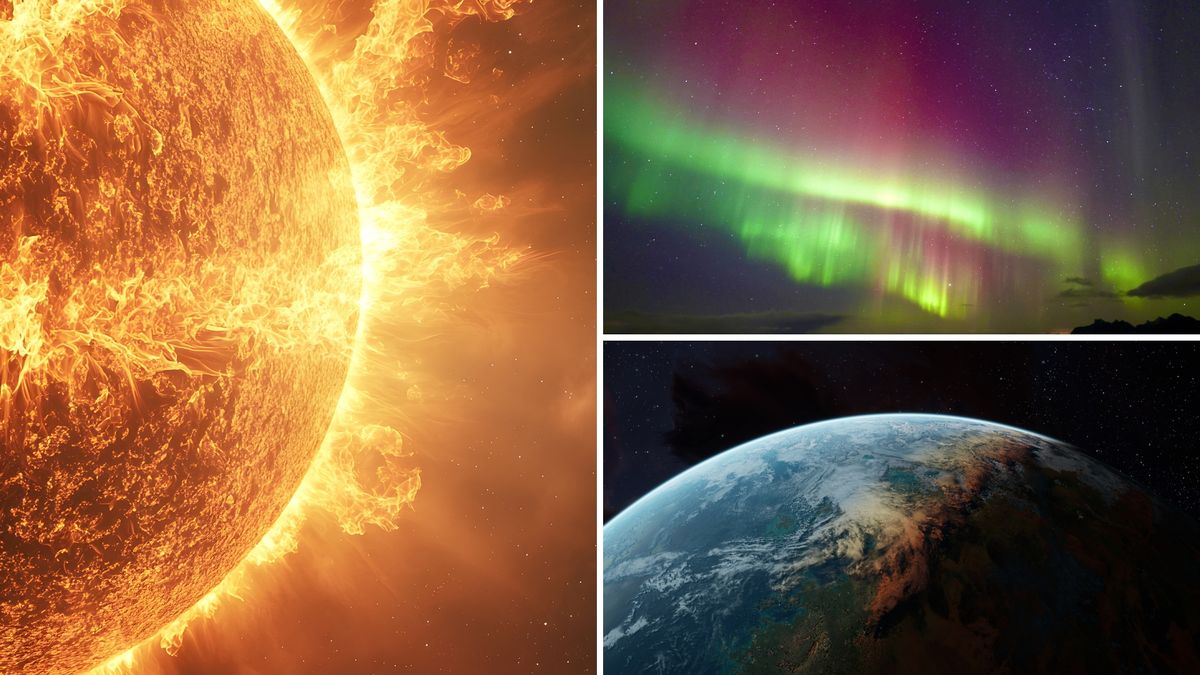
Scientists have officially documented auroras appearing in U.S. states where they were once considered nearly impossible to observe. Driven by unusually strong solar storms and unexpected behavior in Earth’s magnetic field, these sightings mark a major shift in space weather science. Experts say this phenomenon could make auroras increasingly common across much of the United States.
A Phenomenon Once Thought Impossible Is Now Happening
For most of American history, the Northern Lights were something people associated with faraway places. Alaska. Northern Canada. Scandinavia. Seeing auroras from the continental United States—especially from southern or inland states—was considered a once-in-a-century anomaly, if not an outright myth.
That belief is no longer accurate.
Over the last several years, scientists have officially recorded auroras in states that historically never experienced visible displays. These sightings were not rumors or misidentified clouds. They were confirmed through satellite imaging, atmospheric sensors, magnetometers, and time-matched solar storm data.
What once sounded impossible has now been measured, verified, and documented.
And according to experts, this is not a fluke.
Which States Have Scientists Confirmed Auroras In
States Once Considered Outside the Aurora Zone
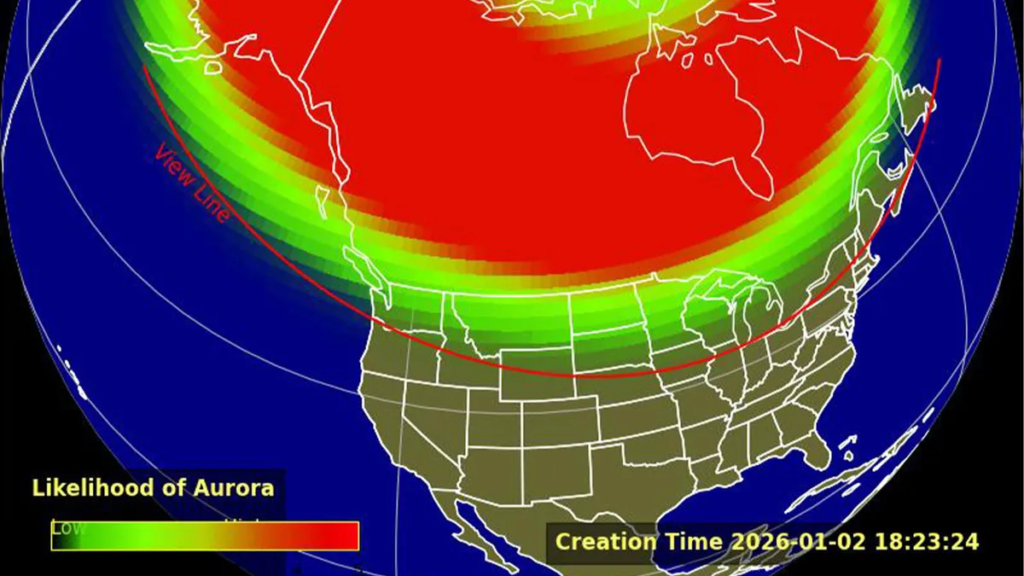
Auroras traditionally occur within a ring around Earth’s magnetic poles called the auroral oval. Until recently, this oval rarely dipped into the lower 48 states.
That has changed.
Scientists have confirmed auroral activity—visible or instrument-detected—in areas including:
- Texas
- Alabama
- Georgia
- Arizona
- New Mexico
- Arkansas
- Missouri
- Northern California
Real-life example:
During a powerful geomagnetic storm, residents in rural Alabama photographed faint red and pink glows above the horizon. Initially dismissed as distant city lights, the images were later matched with NOAA aurora maps showing the auroral oval extending directly over the region at that time.
Why Auroras Are Appearing in New States Now
The Sun Is Entering a More Explosive Phase
The main driver behind these unusual sightings is the Sun itself.
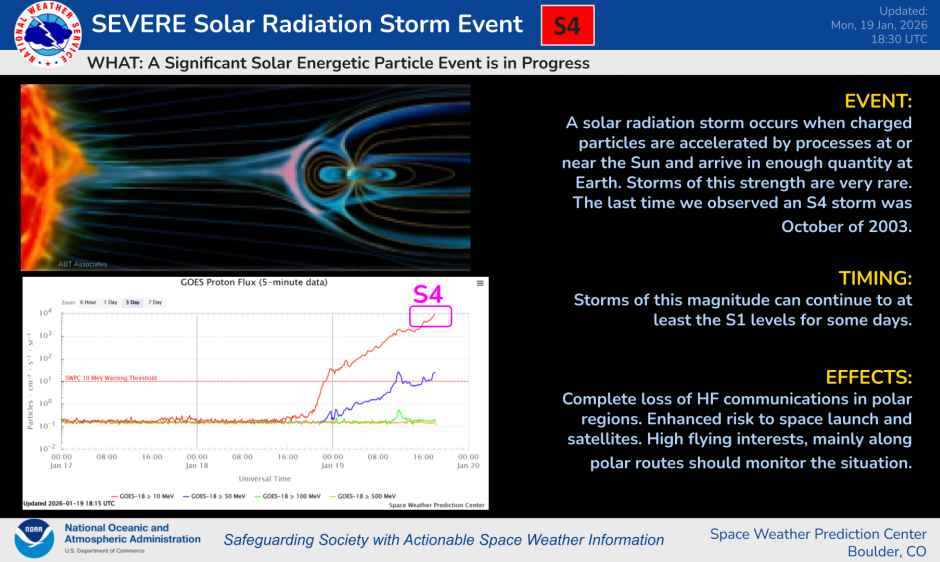
The Sun follows an approximately 11-year cycle of activity known as the solar cycle. During solar maximum, the Sun produces more solar flares and coronal mass ejections—massive eruptions of charged particles that travel toward Earth at millions of miles per hour.
We are currently approaching the peak of Solar Cycle 25, and scientists say it has been stronger than early predictions suggested.
These storms are:
- More frequent
- More energetic
- Better aligned with Earth’s magnetic field
That alignment is critical.
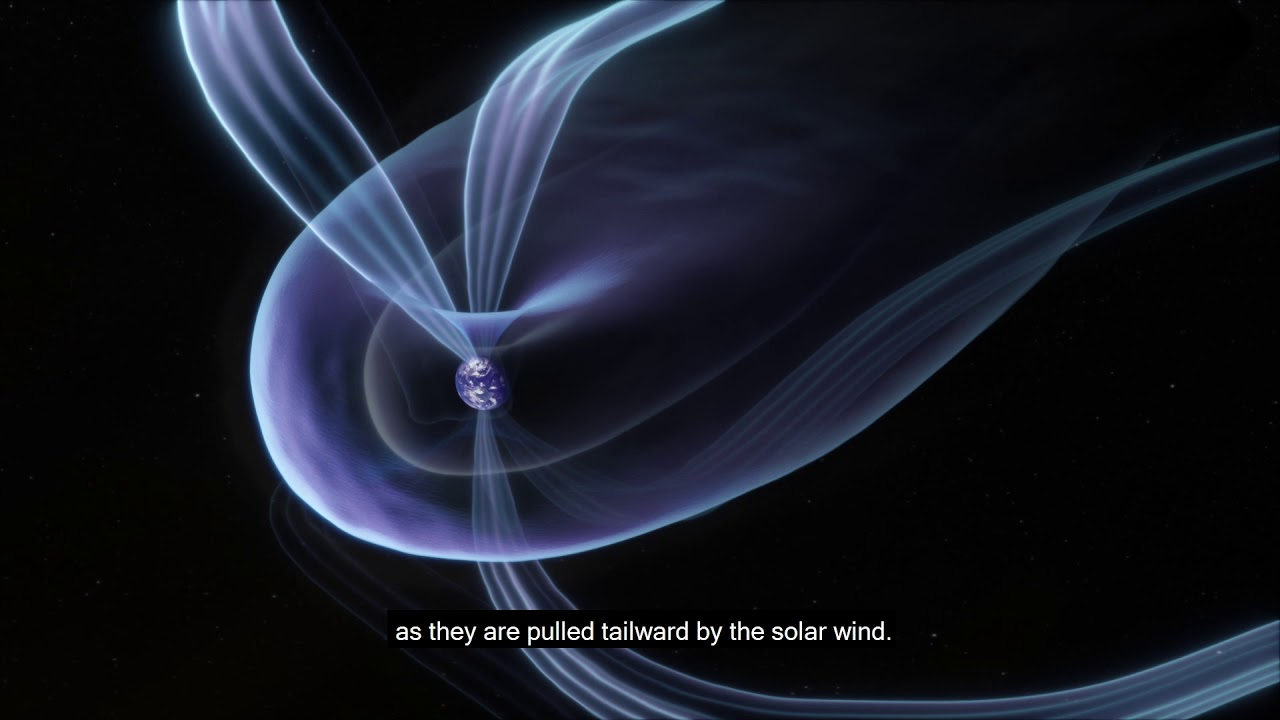
When a solar storm’s magnetic field aligns opposite to Earth’s, it allows charged particles to penetrate deeper into the magnetosphere, fueling stronger and more widespread auroras.
The Shocking Scientific Twist Behind These Sightings
Earth’s Magnetic Field Is More Dynamic Than We Thought
For decades, scientists believed Earth’s magnetic field provided relatively fixed protection zones that limited auroras to high latitudes.
Recent data challenges that assumption.
During intense geomagnetic storms, Earth’s magnetic field temporarily:
- Compresses on the sunward side
- Stretches on the night side
- Develops localized weak regions
These changes allow auroral activity to expand far beyond historical boundaries.
NASA researchers emphasize that this does not mean Earth is losing its magnetic shield. Instead, it reveals that the magnetosphere is flexible and reactive, capable of reshaping itself in response to solar pressure.
This flexibility is what allowed auroras to appear in states that never experienced them before.
How Scientists Verified These Rare Aurora Events
Modern aurora confirmation relies on multiple independent data sources.
Scientists use:
- Satellite-based aurora cameras
- Ground magnetometers that detect magnetic disturbances
- Atmospheric spectroscopy to identify oxygen and nitrogen emissions
- Time-matched solar storm measurements
- Citizen science photo submissions
Real-life example:
A faint glow photographed in Arizona was initially uncertain. When researchers compared the timestamp with satellite aurora imagery and geomagnetic indices, they confirmed it matched a high-altitude red aurora caused by oxygen emissions.
This layered verification removes doubt and establishes scientific certainty.
Why These Auroras Look Different Than Northern Ones
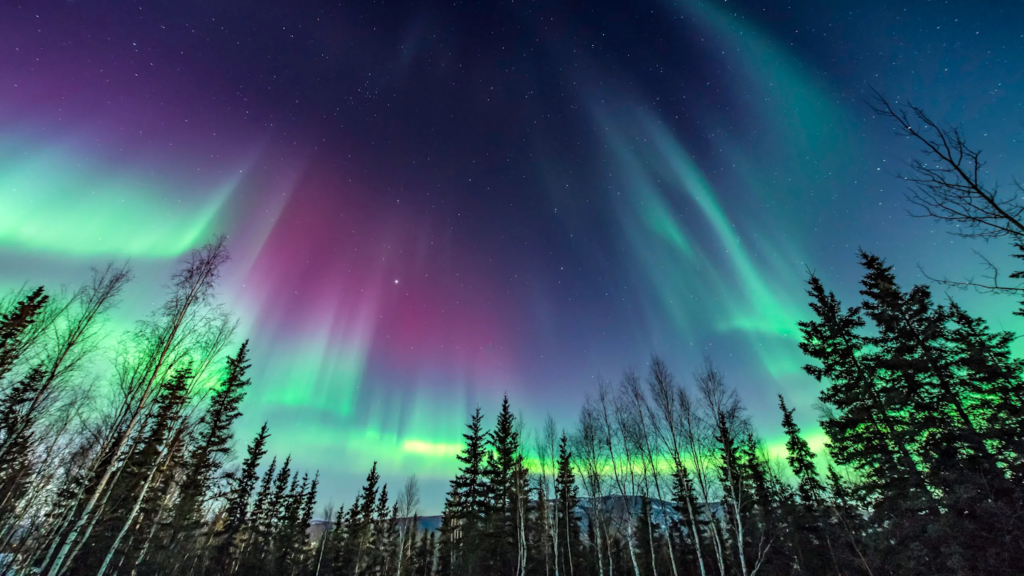
Auroras seen in Alaska are often bright green and fast-moving. Lower-latitude auroras tend to look very different.
Common colors in newly affected states include:
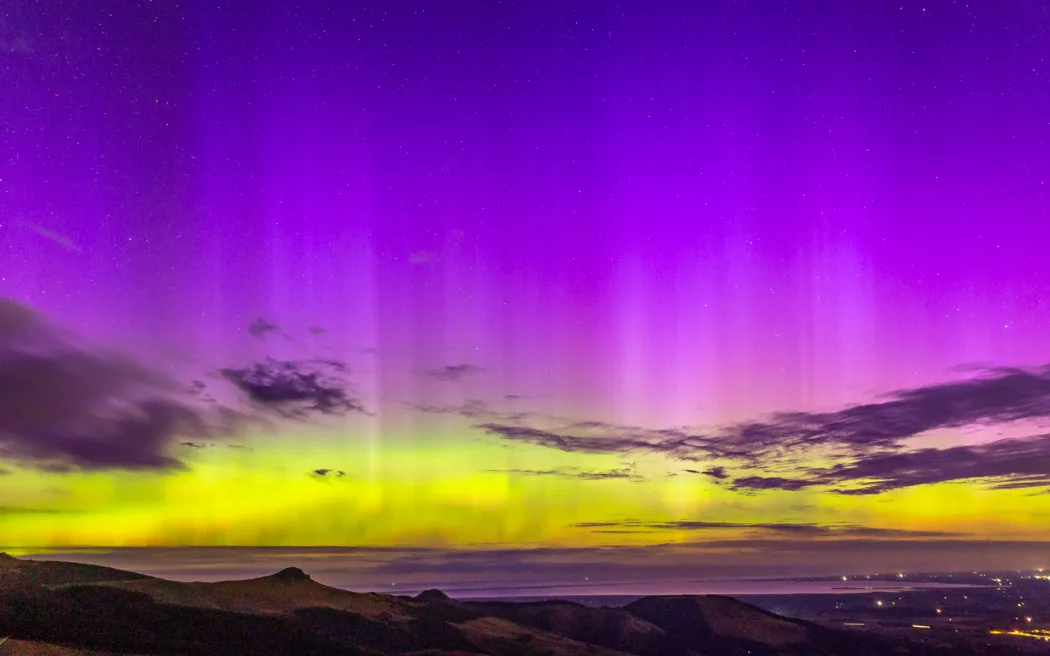
- Red or crimson glows near the horizon
- Pink and magenta tones
- Pale white or silvery arcs
- Occasional faint green streaks
These differences occur because the particles are interacting with atmospheric gases at higher altitudes, where red oxygen emissions dominate.
Real-life example:
Residents in Texas described the sky as “blushing red” rather than glowing green—a textbook sign of a high-altitude aurora.
Why Cameras Capture Auroras Humans Often Miss
Many auroras went undocumented in the past simply because people could not see them clearly.
Modern cameras can:
- Detect extremely low light
- Capture long-exposure images
- Record subtle color wavelengths
As a result, auroras that appear faint or invisible to the naked eye show up vividly in photos.
This explains why recent aurora discoveries have surged alongside the rise of smartphone photography and social media.
Does This Mean Auroras Will Become Common Everywhere
Scientists caution against exaggeration.
Auroras will not appear nightly across the entire country. However, evidence strongly suggests:
- Mid-latitude auroras will become more frequent
- Southern sightings will occur during strong storms
- The definition of “rare” is changing
Experts now believe Americans may see auroras multiple times per decade, rather than once in a lifetime.
Why This Matters Beyond a Beautiful Sky
Auroras are a visible sign of space weather, which can affect modern infrastructure.
Strong geomagnetic storms can influence:
- Power grids
- GPS systems
- Aviation navigation
- Satellite communications
- Radio transmissions
Real-life example:
In 1989, a geomagnetic storm triggered a massive blackout in Quebec. Millions lost power for hours. While today’s systems are more resilient, they are also far more interconnected.
Auroras act as a warning sign that space weather is active.
Could These Aurora Events Affect Daily Life
For most people, the effects are minimal.
Possible impacts during strong storms include:
- Minor GPS inaccuracies
- Temporary radio interference
- Increased satellite drag
Personal electronics such as phones and laptops are not directly affected.
What These Discoveries Mean for Science and Research
Aurora research helps scientists understand:
- Earth’s upper atmosphere
- Magnetosphere behavior
- Solar-Earth interactions
- Radiation exposure at high altitudes
These insights improve space weather forecasting and protect satellites and aircraft.
Auroras are not just beautiful—they are data.
How Americans Can See Auroras in New States
If you live outside traditional aurora zones:
- Look north after sunset
- Avoid city light pollution
- Use night-mode photography
- Check NOAA aurora forecasts
- Be patient and allow time
Real-life example:
Many first-time viewers report seeing nothing for hours—until the sky suddenly begins to glow and ripple.
Why Scientists Call This a Historic Shift
For the first time in recorded history:
- Auroras are being officially documented across much of the US
- Southern states are entering scientific aurora records
- Public participation is accelerating discovery
The night sky Americans grew up with is changing.
10 Frequently Asked Questions
Have auroras ever been seen this far south before
Very rarely and often without reliable documentation
Are these sightings officially confirmed
Yes through satellite and ground-based data
Is it dangerous to watch auroras
No auroras are harmless to people
Does this mean Earth’s magnetic field is weakening
No temporary shifts occur during strong storms
Can auroras damage electronics
Only indirectly through power infrastructure
Why are auroras appearing more often now
Stronger solar activity and better detection
Can auroras happen during summer
Yes temperature does not matter
What time are auroras most visible
Late evening through early morning
Where can I track aurora forecasts
NOAA Space Weather Prediction Center
Will auroras continue appearing in new states
Scientists expect occasional future events
Final Takeaway
Auroras appearing in states that never saw them before are not a coincidence. They reflect a powerful combination of increased solar activity, improved detection technology, and a magnetic system that is more dynamic than once believed.
For millions of Americans, space weather is no longer abstract. It is visible. It is measurable. And it is reshaping how we understand our planet’s place in the solar system.
The sky is changing—and science is watching.