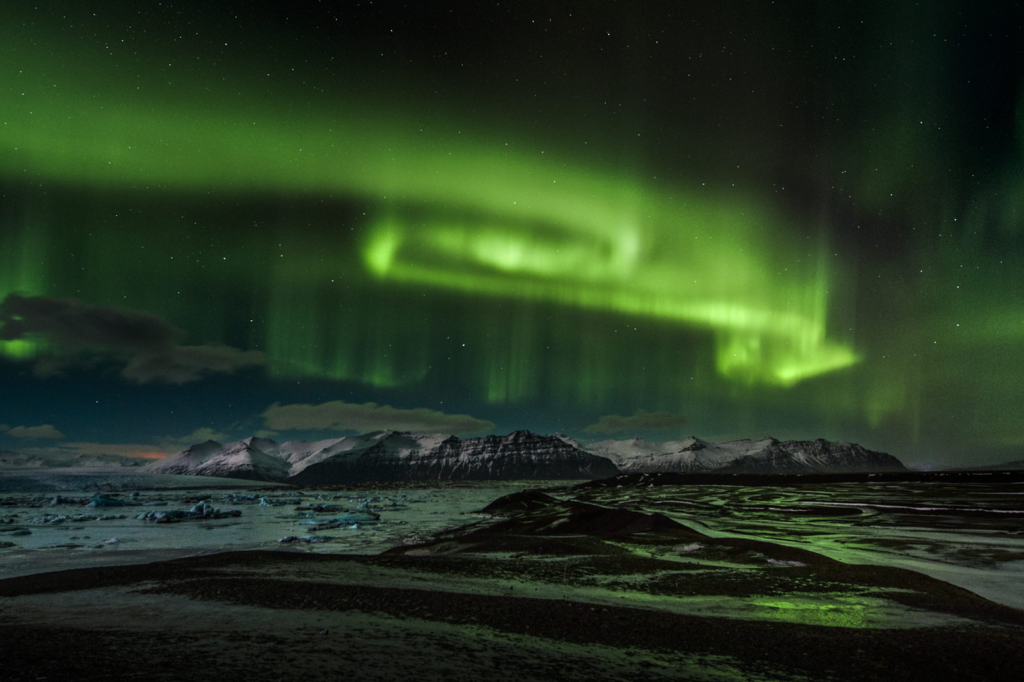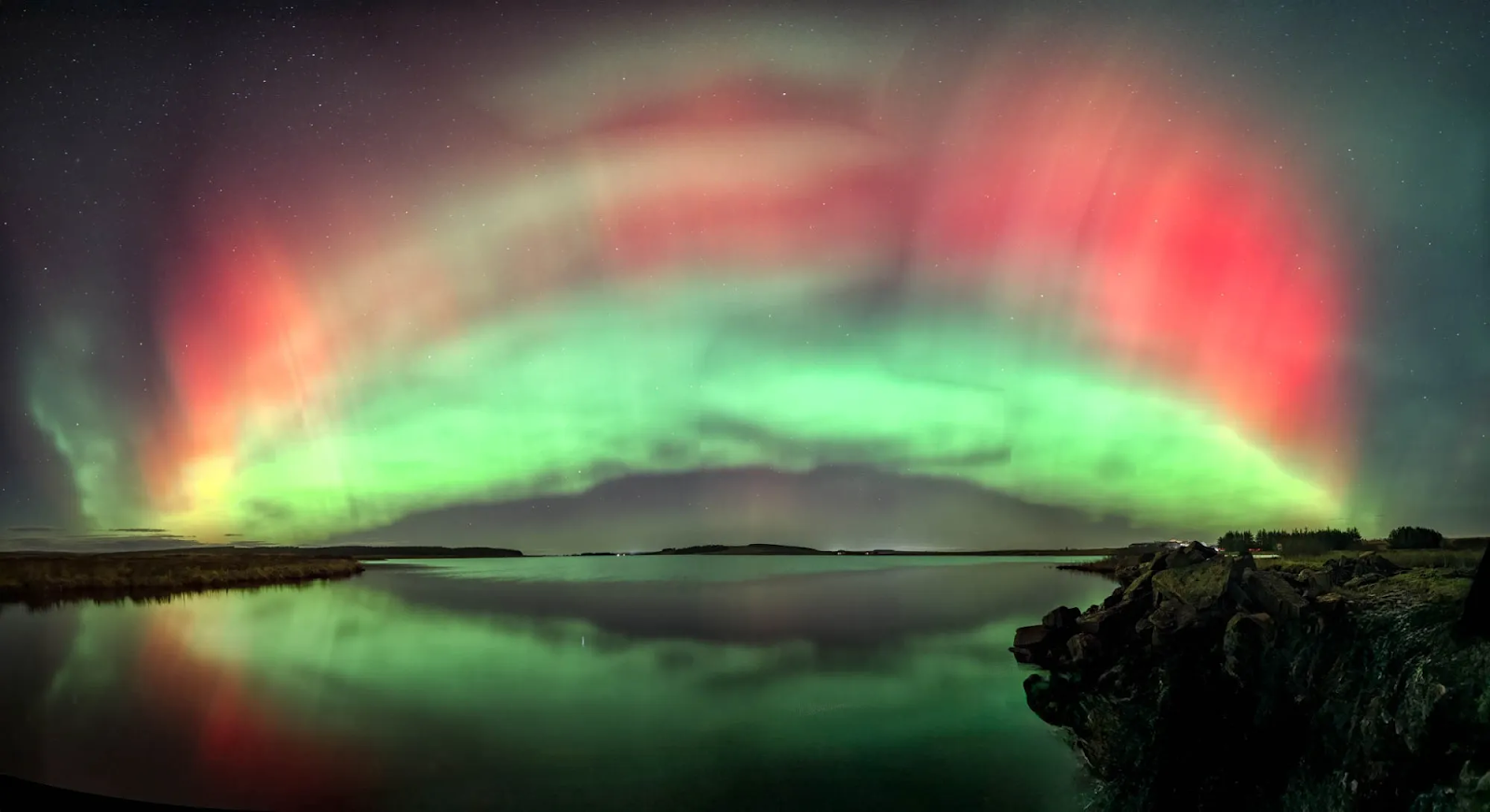
Scientists have identified a rare aurora-like phenomenon that behaves in ways classic physics cannot fully explain. Unlike traditional auroras driven by particle collisions along magnetic field lines, this mysterious light forms without expected energy inputs or magnetic pathways. Researchers say it challenges long-standing assumptions about how energy moves through Earth’s upper atmosphere and could reshape space-weather science and plasma physics.
The Night the Sky Refused to Follow the Rules
For centuries, auroras have been one of nature’s most reliable spectacles. They follow rules. They appear near the poles. They shimmer in predictable colors. They behave according to equations taught in physics classrooms around the world.
Then scientists noticed something that shouldn’t exist.
A strange, stable glow appeared in the sky—sometimes purple, sometimes white, sometimes barely visible to the naked eye. It didn’t dance. It didn’t flicker. It didn’t obey the rules that every aurora ever studied was supposed to follow.
At first, researchers dismissed it as a mistake.
Then it appeared again.
And again.
What followed was one of the most unsettling realizations in modern space science: the atmosphere was doing something our best models could not fully explain.
What Scientists Mean When They Say “Defies Classic Physics”
The phrase “defies classic physics” does not mean laws of nature are broken. Instead, it means the phenomenon does not fit within existing frameworks used to explain auroras.
Classic aurora physics depends on several assumptions:
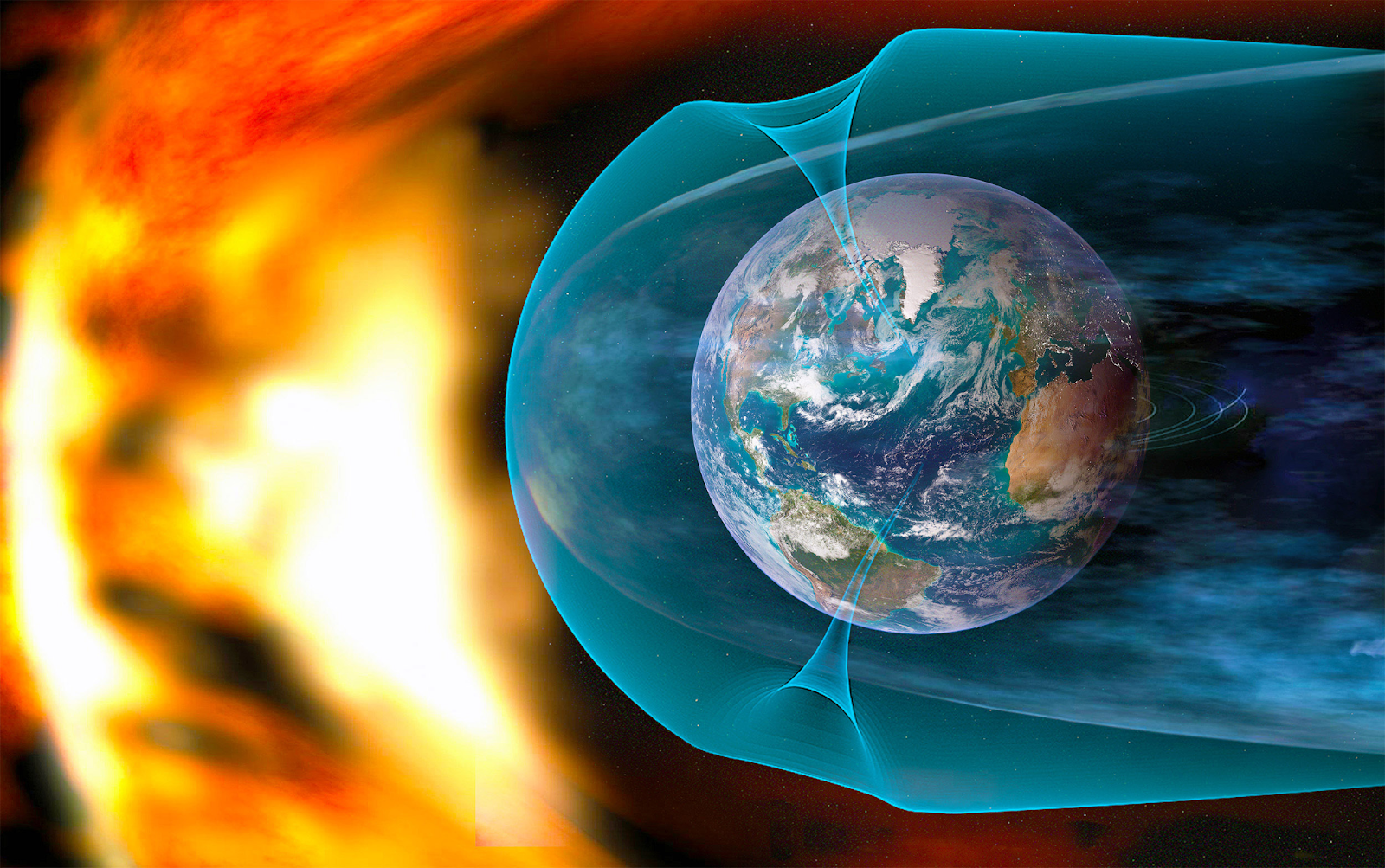
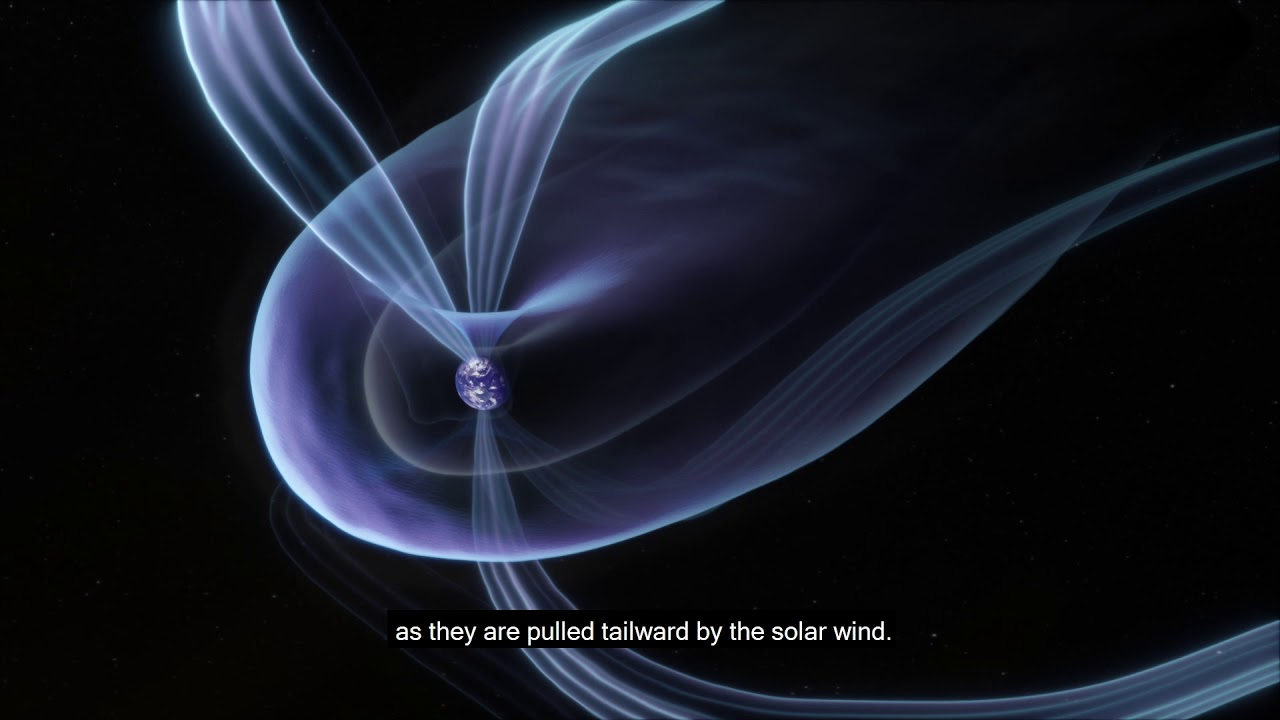
- Charged particles travel along magnetic field lines
- Those particles collide with atmospheric gases
- Energy input matches light output
- Magnetic geometry dictates where auroras appear
This newly identified phenomenon violates multiple assumptions at once.
In some cases, scientists observed light without enough incoming particles to power it. In others, the light appeared where magnetic field lines should not allow energy transfer.
That mismatch is the scientific puzzle.
How This Aurora-Like Phenomenon Was First Spotted
The discovery did not happen in a single moment. It emerged slowly, through a combination of satellite data, ground-based cameras, and human curiosity.
Researchers noticed:
- Narrow light structures that stayed remarkably stable
- Emissions at unexpected wavelengths
- Minimal particle precipitation
- Temperature spikes without obvious cause
At first, scientists assumed faulty instruments. But different satellites, operated by different agencies, detected the same signatures. Ground-based observers captured matching visuals.
The conclusion became unavoidable: this was real.
Why It Looks Like an Aurora But Isn’t One
Visually, the phenomenon resembles an aurora, which is why it was initially classified that way. But behavior matters more than appearance.
Traditional auroras:
- Ripple and dance
- Change shape rapidly
- Cluster near magnetic poles
- Depend on particle rain
This phenomenon:
- Appears smooth and ribbon-like
- Remains stable for long periods
- Shows up far from polar regions
- Lacks expected particle sources
Real-life analogy:
Imagine a river flowing uphill—not violently, but calmly. The water is real. The movement is real. But the explanation is missing.

The Moment Scientists Knew Something Fundamental Was Missing
One of the most troubling findings was the energy imbalance.
In classic physics, light output must correspond to energy input. But here, the observed brightness did not match measured particle flow.
Scientists double-checked:
- Particle detectors
- Magnetic field sensors
- Thermal readings
- Optical instruments
Everything was working.
Yet the numbers didn’t line up.
That gap between observation and explanation is where scientific revolutions begin.
Why Magnetic Fields Can’t Fully Explain This Phenomenon
Earth’s magnetic field normally acts like a highway system, guiding solar particles into predictable routes. Auroras form where those highways end.
In this case:
- Magnetic alignment was weak or inconsistent
- Field lines didn’t converge where light appeared
- Energy traveled laterally instead of vertically
This suggests that energy may be flowing through the ionosphere in ways not captured by standard magnetic models.
The Hidden Role of Superheated Ion Flows
One promising explanation involves extreme ion heating combined with high-speed plasma flows.
Scientists detected:
- Ion temperatures thousands of degrees hotter than surroundings
- Rapid east-west plasma motion
- Energy dissipation without collisions
Instead of particles crashing downward, energy may be spreading sideways—lighting the atmosphere through mechanisms still being investigated.
This challenges the idea that collisions are the only way auroras form.
Why This Discovery Matters More Than a Light Show
Auroras are not just beautiful. They are tools scientists use to understand:
- Space weather
- Energy transfer
- Magnetic shielding
- Atmospheric stability
If auroras can form through unknown mechanisms, then current space-weather models may be missing important processes.
That matters because space weather affects:
- Satellites
- GPS accuracy
- Power grids
- Aviation systems
Understanding hidden energy pathways improves prediction and protection.
How Citizen Scientists Helped Crack the Mystery
Many early sightings came not from observatories, but from everyday people.
Amateur photographers captured images of strange sky ribbons and shared them online. Scientists noticed patterns and cross-referenced timestamps with satellite data.
This collaboration revealed:
- Consistent timing
- Repeatable conditions
- Global occurrence
Citizen science turned curiosity into confirmation.
Why This Phenomenon Is Rare but Repeatable
Scientists believe the phenomenon requires a precise combination of conditions:
- Strong but stable geomagnetic disturbance
- Specific ionospheric temperatures
- Favorable plasma flow alignment
That explains why it doesn’t appear during every storm—and why it took decades to identify.
It’s rare, but not random.
Why Classic Physics Isn’t “Wrong” But Incomplete
Physics has faced this moment before.
Blackbody radiation once defied explanation—until quantum mechanics emerged. Mercury’s orbit didn’t fit Newtonian predictions—until relativity.
This aurora phenomenon represents a similar moment.
The laws still work. They just don’t describe everything yet.
What This Means for Plasma Physics as a Whole
Plasma is the most common state of matter in the universe. If energy moves through plasma in undocumented ways, the implications extend far beyond Earth.
This affects:
- Fusion research
- Space propulsion
- Astrophysical modeling
- Exoplanet studies
Auroras may be revealing a universal plasma behavior we haven’t fully understood.
Could Similar Phenomena Exist on Other Planets
Scientists strongly suspect yes.
Planets with:
- Weak magnetic fields
- Thin atmospheres
- Strong stellar radiation
may exhibit similar light emissions.
Mars, for example, already shows auroras that break Earth-based rules. This phenomenon may help explain them.
Is This Phenomenon Dangerous to Humans
No.
The light itself is harmless. However, the space-weather conditions that create it can affect technology.
That’s why scientists care—not because it’s dangerous, but because it reveals unseen processes.
How Researchers Are Updating Their Models
Scientists are now:
- Adding new ionospheric parameters
- Running advanced simulations
- Comparing Earth data with Mars and Jupiter
- Revising assumptions about energy flow
This process takes time, but it’s already reshaping the field.
Why Discoveries Like This Still Happen Today
Many people assume science has explained everything. Earth’s upper atmosphere proves otherwise.
It is:
- Too high for planes
- Too low for many satellites
- Constantly changing
That makes it one of the least understood regions of our planet.
What This Discovery Teaches About Scientific Progress
Science advances not by confirmation alone, but by contradiction.
When observations don’t fit models, scientists don’t discard reality—they update understanding.
This phenomenon is not a failure of physics. It is proof that physics is alive.
10 Frequently Asked Questions About the Aurora Phenomenon That Defies Physics
Is this a new type of aurora
Yes it is distinct from classic auroras
Why does it defy classic physics
It doesn’t follow established energy and magnetic assumptions
Is it related to the Northern Lights
It looks similar but forms through different mechanisms
Can people see it with the naked eye
Sometimes but cameras detect it better
Is it dangerous
No it is harmless to people
Who discovered it
Scientists using satellite data and public observations
How often does it happen
Rarely and only under specific conditions
Does it affect technology
Indirectly through associated space weather
Could it exist on other planets
Yes scientists believe similar effects may occur elsewhere
Will physics textbooks change
Gradually as models are refined
Why This Discovery Matters for the Future
This aurora phenomenon reminds us that Earth still holds mysteries—even in places we thought we understood.
It challenges scientists to think differently about energy, magnetism, and plasma behavior. It improves space-weather prediction. And it deepens our understanding of how planets interact with their stars.
Most importantly, it proves that discovery doesn’t end—it evolves.

Final Takeaway
Scientists have discovered an aurora phenomenon that does not behave the way classic physics predicts—and that’s exactly why it matters.
It reveals hidden processes in Earth’s upper atmosphere, challenges long-held assumptions, and opens new paths of research that stretch from our planet to distant worlds.
When the sky glows in unfamiliar ways, it’s not science failing—it’s science learning.