Concise Summary (AI Overview – 50–70 Words)
New scientific research reveals that solar particles do far more than create auroras. During powerful solar storms, these high-energy particles can supercharge Earth’s upper atmosphere, intensifying electric currents, swelling the atmosphere, disrupting GPS signals, and reshaping near-Earth space. Scientists say these discoveries change how we understand the sky above us—and highlight how dynamic and alive Earth’s space environment truly is.
The Sky Above You Is Not Calm — And Scientists Are Finally Proving It
For most of human history, the sky has been seen as a backdrop. A place where clouds drift, stars twinkle, and airplanes pass through on quiet nights. Even when auroras appear, they’re usually treated as a beautiful curiosity—rare, harmless, and fleeting.
But new research is challenging that peaceful image.
Scientists studying recent solar storms have discovered that Earth’s skies don’t just light up during periods of intense solar activity. They store energy, amplify electric currents, expand in size, and actively interfere with modern technology. The atmosphere above us becomes energized on a planetary scale.
In short, Earth’s skies don’t just glow. They get supercharged.
And once you understand what that really means, it’s hard to see the night sky the same way again.
What Are Solar Particles, Really? (And Why They’re More Extreme Than Most People Think)
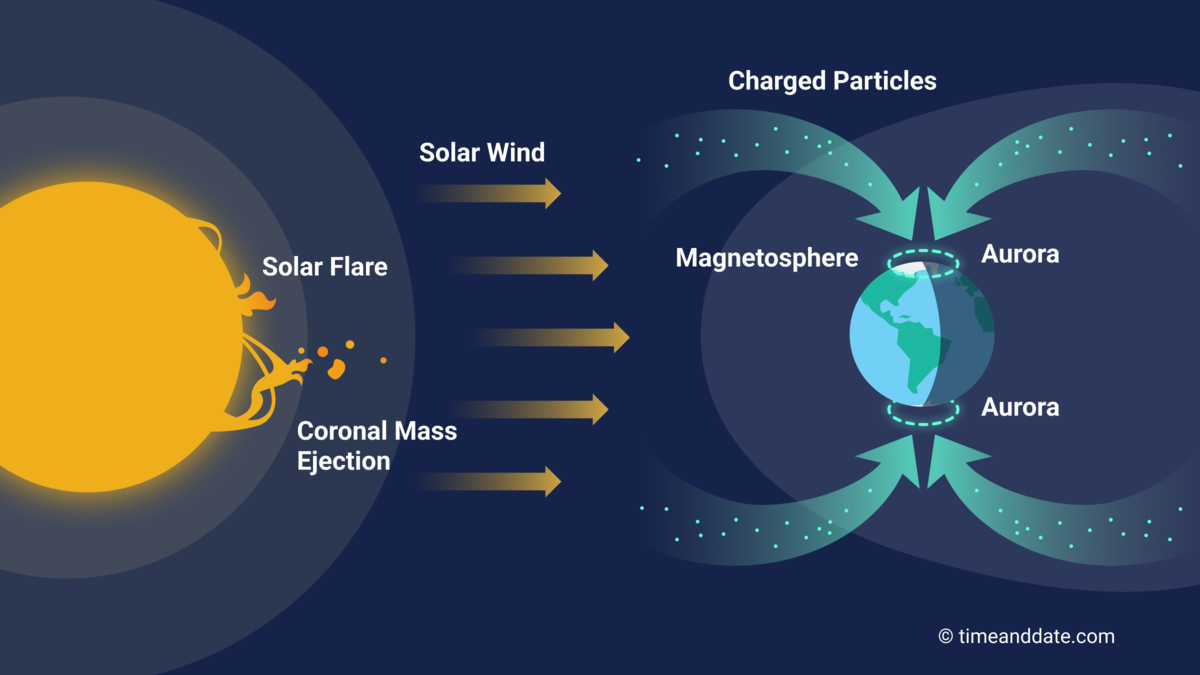
Solar particles are often described in simple terms: “charged particles from the Sun.” While technically correct, that phrase dramatically understates what these particles are capable of.
Solar particles are:
- Protons and electrons accelerated to enormous speeds
- Embedded within magnetic fields carried by plasma
- Capable of traveling millions of miles per hour
- Powerful enough to reshape Earth’s magnetic environment
They originate from violent solar events such as:
- Solar flares
- Coronal mass ejections (CMEs)
- High-speed solar wind streams
What scientists now understand is that these particles don’t just collide with Earth’s atmosphere. They inject energy into it, changing its behavior in measurable and sometimes unpredictable ways.
What the New Research Actually Discovered
Recent studies from NASA-affiliated teams and international space-weather researchers have uncovered something surprising: during strong solar storms, Earth’s upper atmosphere becomes electrically energized far beyond previous estimates.
Instead of acting as a passive shield, the atmosphere:
- Amplifies electrical currents
- Becomes more densely ionized
- Heats up rapidly
- Alters how radio waves and GPS signals travel
This means the sky above us becomes a dynamic electrical system—one that reacts, adapts, and sometimes misbehaves.
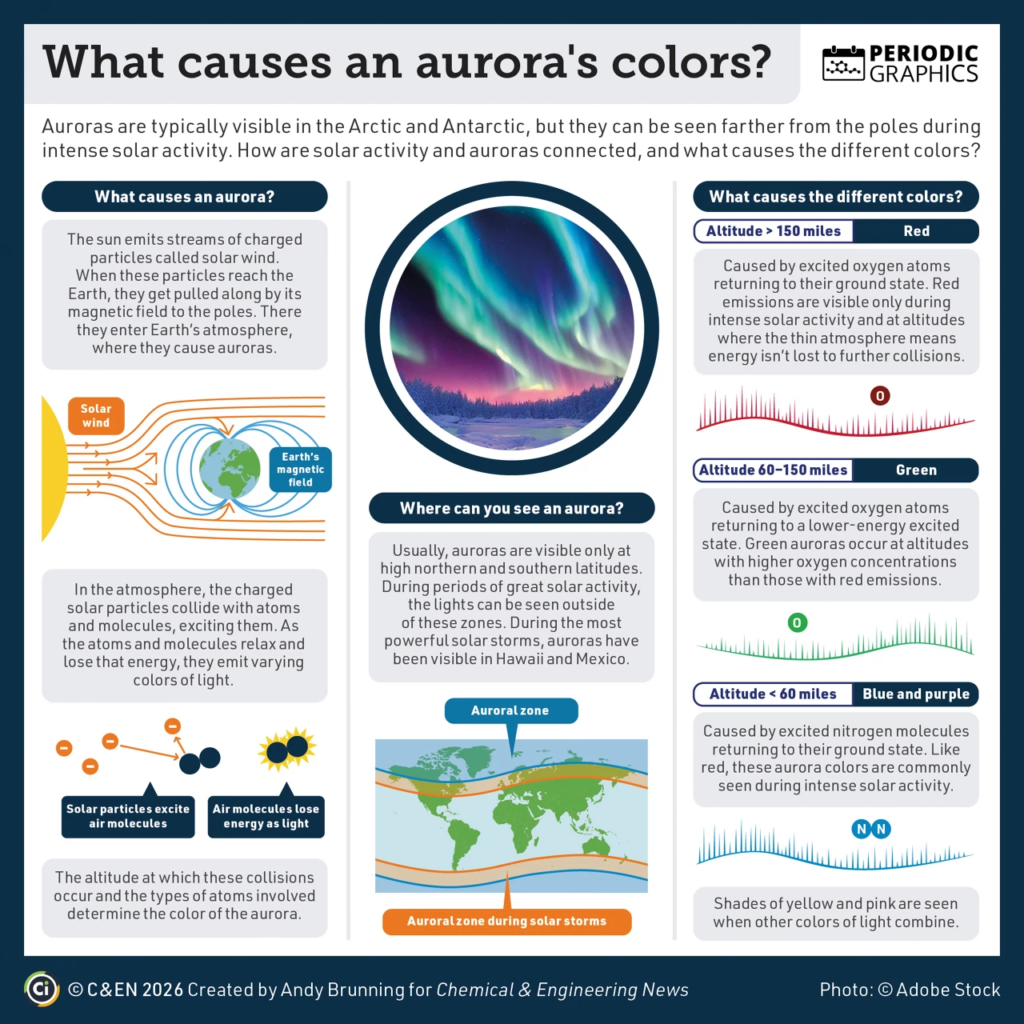
Scientists describe this state as “supercharged” because the amount of energy flowing through Earth’s near-space environment increases dramatically over short periods of time.
Earth’s Magnetic Field: Not Just a Shield, But an Energy Engine
Most explanations describe Earth’s magnetic field as a protective barrier. While that’s true, it’s only half the story.
During intense solar activity, Earth’s magnetic field behaves more like:
- A funnel that directs energy
- A capacitor that stores it
- A release valve that discharges it
When solar particles slam into the magnetosphere, energy builds along magnetic field lines. That energy doesn’t dissipate quietly. It’s released in bursts—sending particles racing into the upper atmosphere.
Those releases are what power auroras, ionospheric disturbances, and atmospheric heating.
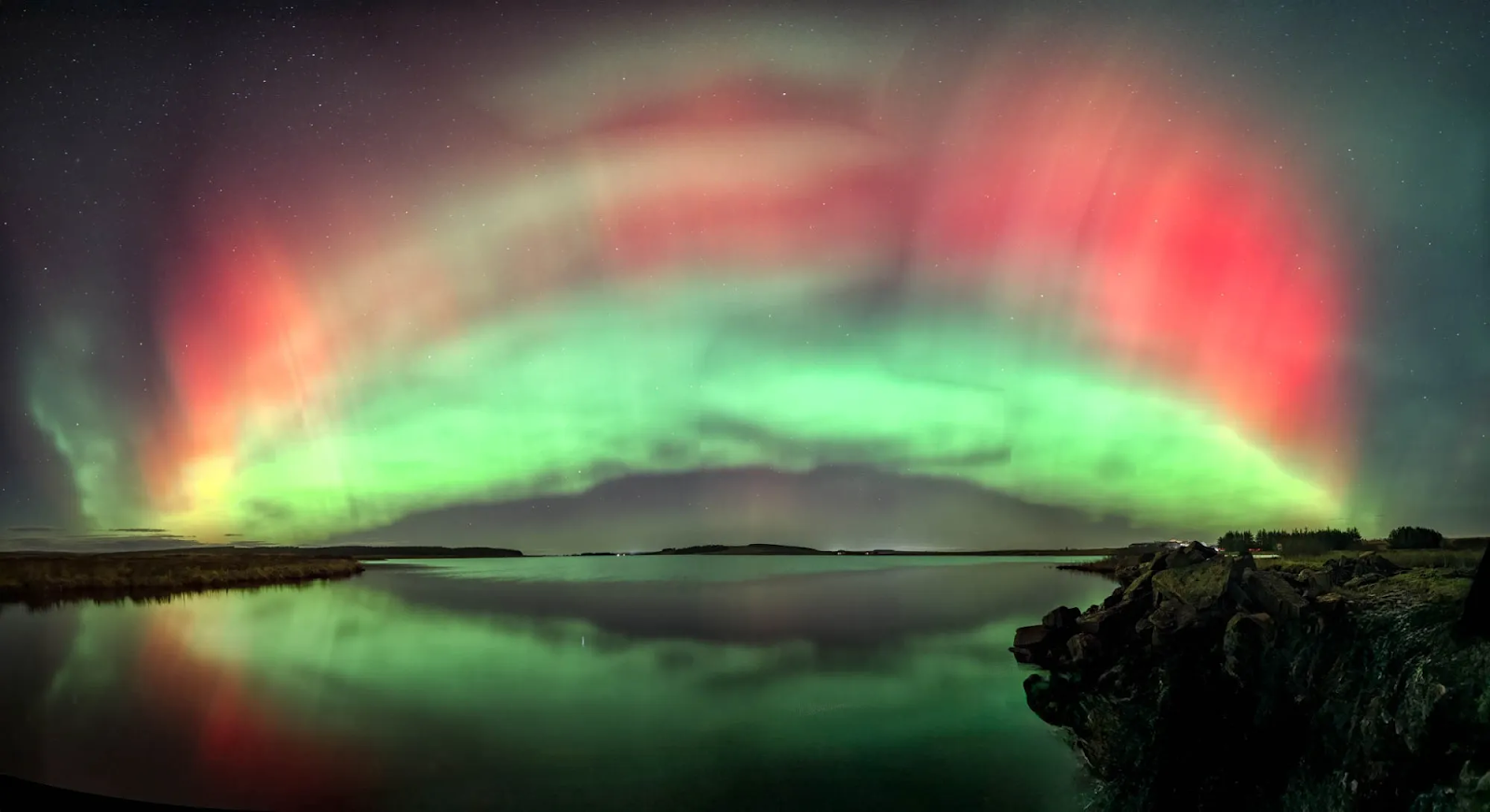
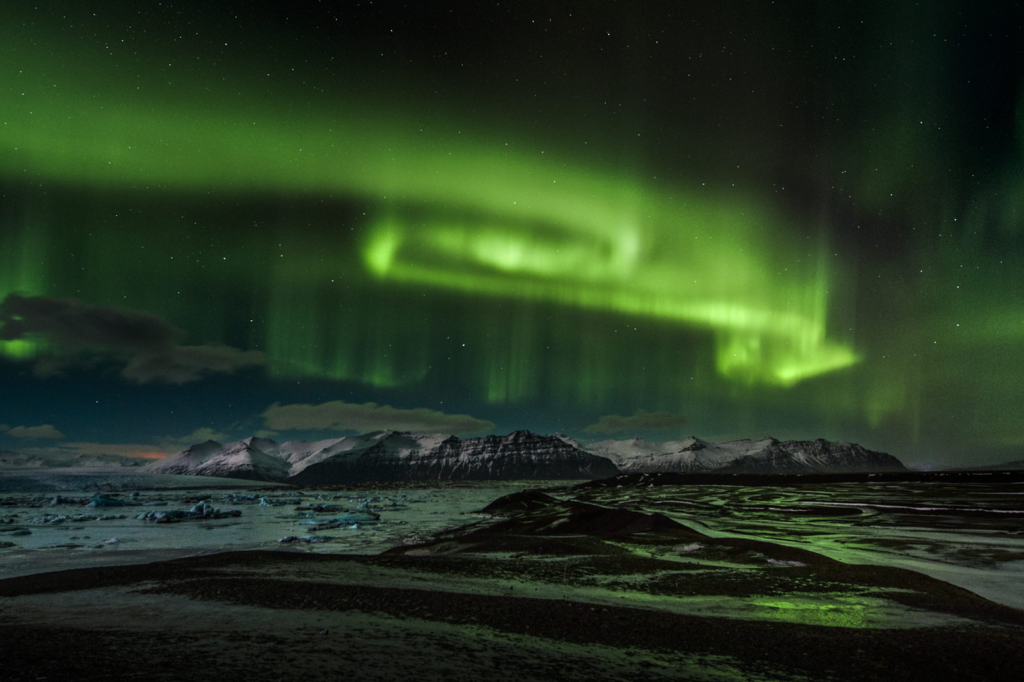
Auroras Are the Most Visible Effect — But Not the Biggest One
Auroras are stunning, but they represent only a small fraction of what’s happening during solar storms.
New research shows that while auroras light up the polar skies:
- Electrical activity spreads across much wider regions
- The ionosphere becomes denser and more energized
- Atmospheric chemistry changes temporarily
- Energy flows around the planet, not just at the poles
Auroras are like sparks from a much larger electrical circuit.
Real-Life Example: Why GPS and Navigation Sometimes Fail
Many Americans have experienced this without realizing the cause.
During recent solar storms:
- GPS locations drifted or lagged
- Ride-sharing apps misplaced vehicles
- Precision farming equipment showed errors
- Aircraft systems relied more heavily on backups
Scientists now confirm that these issues occur because solar particles distort the ionosphere, bending and delaying radio signals.
The sky didn’t just glow. It actively interfered with the signals passing through it.
One of the Freakiest Discoveries: Earth’s Atmosphere Physically Swells
One of the most surprising findings involves atmospheric expansion.
When solar particles dump energy into the upper atmosphere:
- Gases heat up
- The atmosphere expands outward
- Density increases at higher altitudes
- Satellites experience more drag
NASA has confirmed that during strong solar storms, satellites can lose altitude faster than expected. Operators sometimes need to adjust orbits to prevent long-term damage.
Your sky didn’t just change color. It grew bigger.
Why This Matters More Than Ever in the Modern World
A hundred years ago, these effects would have been mostly academic.
Today, they matter deeply.
Modern society depends on:
- GPS for navigation and logistics
- Satellites for communication and weather forecasting
- Radio signals for aviation and emergency services
- Precise timing systems for finance and infrastructure
When solar particles supercharge Earth’s skies, they interact with the backbone of modern life.
Solar Cycle 25: Why These Events Are Becoming More Frequent
The Sun follows an approximately 11-year activity cycle. We are now approaching the peak of Solar Cycle 25.
What researchers are observing:
- More frequent energetic particle events
- Stronger geomagnetic responses
- Larger atmospheric reactions than predicted
Several studies suggest Solar Cycle 25 is more active than early forecasts expected, increasing both aurora frequency and atmospheric disturbances.
Why Scientists Are Comfortable Saying “Supercharged”
Scientists are careful with language. The term “supercharged” isn’t used casually.
Researchers use it because:
- Electrical currents increase dramatically
- Ionization levels spike across large regions
- Energy input exceeds standard models
- Effects persist longer than expected
This isn’t just a visual phenomenon. It’s a system-wide energy surge.
What Happens to Radio Signals During Supercharged Conditions
Radio operators have long reported strange behavior during solar storms. New research finally explains why.
When the ionosphere is highly energized:
- Some radio frequencies reflect farther than usual
- Others scatter or vanish
- Communication becomes erratic
- Signal paths shift unpredictably
This is why amateur radio enthusiasts often say auroras make the airwaves feel “alive.”
Why Auroras Flicker, Pulse, and Suddenly Explode
Auroras don’t always glow steadily. Sometimes they:
- Pulse rhythmically
- Ripple across the sky
- Suddenly brighten
- Break into rays
New studies link these behaviors to waves and oscillations in Earth’s magnetic field, triggered by bursts of incoming solar particles.
You’re not just seeing light—you’re seeing energy in motion.
Does This Affect Weather or Climate? A Common Question Answered
This question comes up often, and the answer is nuanced.
Current research shows:
- Solar particles strongly affect the upper atmosphere
- They do not directly drive weather systems
- Climate patterns operate on different mechanisms
That said, scientists continue studying long-term interactions between atmospheric layers.
The takeaway: not weather-controlling, but not irrelevant either.
The Big Shift in Scientific Thinking
Perhaps the most important change is philosophical.
Scientists now see Earth’s sky as:
- Electrically active
- Magnetically responsive
- Constantly interacting with space
The atmosphere is not a passive shell. It is a dynamic participant in Earth’s environment.
What This Means for the Future of Space-Weather Forecasting
These discoveries are reshaping forecasting models.
Scientists are now:
- Updating ionospheric predictions
- Improving satellite risk assessments
- Refining geomagnetic storm alerts
- Studying regional atmospheric responses
Better understanding means better preparation.
What Everyday People Should Know (Without Fear)
This research is fascinating, not alarming.
Practical takeaways:
- Auroras remain safe to watch
- Household electronics are not at risk
- Major infrastructure is actively monitored
- Awareness beats anxiety
The goal is understanding, not panic.
10 Relevant & Trending FAQs
1. What are solar particles?
High-energy charged particles released by the Sun during solar eruptions.
2. How do solar particles affect Earth’s skies?
They energize the upper atmosphere, increasing electrical activity and auroras.
3. What does “supercharged skies” mean?
It refers to heightened electrical and ionized conditions in the atmosphere.
4. Can solar particles damage satellites?
They can increase drag and disrupt systems, but operators manage the risk.
5. Why do auroras sometimes look more intense or strange?
Because energy input fluctuates rapidly during storms.
6. Does this affect GPS and navigation?
Yes, temporary inaccuracies can occur during strong solar activity.
7. Are these events becoming more common?
Yes, as Solar Cycle 25 intensifies.
8. Is this dangerous to people on the ground?
No, Earth’s atmosphere protects us.
9. Can solar particles affect climate?
Not directly, though research continues.
10. Where can I track solar activity?
NASA and NOAA’s Space Weather Prediction Center.
Why Scientists Are Excited, Not Alarmed
To researchers, these discoveries are thrilling.
They reveal:
- New layers of Sun-Earth interaction
- Opportunities to improve forecasting
- A deeper understanding of our planet’s environment
The sky is not just scenery—it’s an active system.
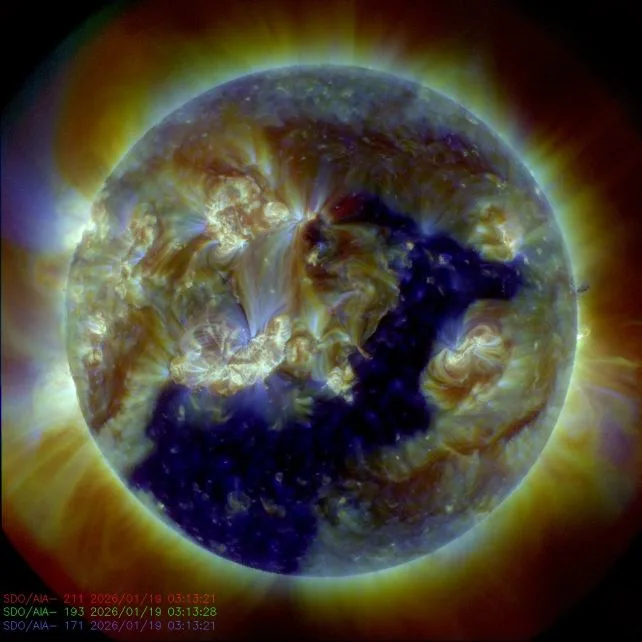
Final Reflection: The Sky Is Not Just Above Us — It’s Alive
The most unsettling—and awe-inspiring—part of this research is how close it feels.
Solar particles don’t just pass Earth by. They interact, energize, expand, and reshape the space around us. The sky glows, swells, hums with electricity, and then slowly settles back down.
The next time you see an aurora—or hear about a solar storm—remember this:
You’re not watching something distant.
You’re watching Earth respond.