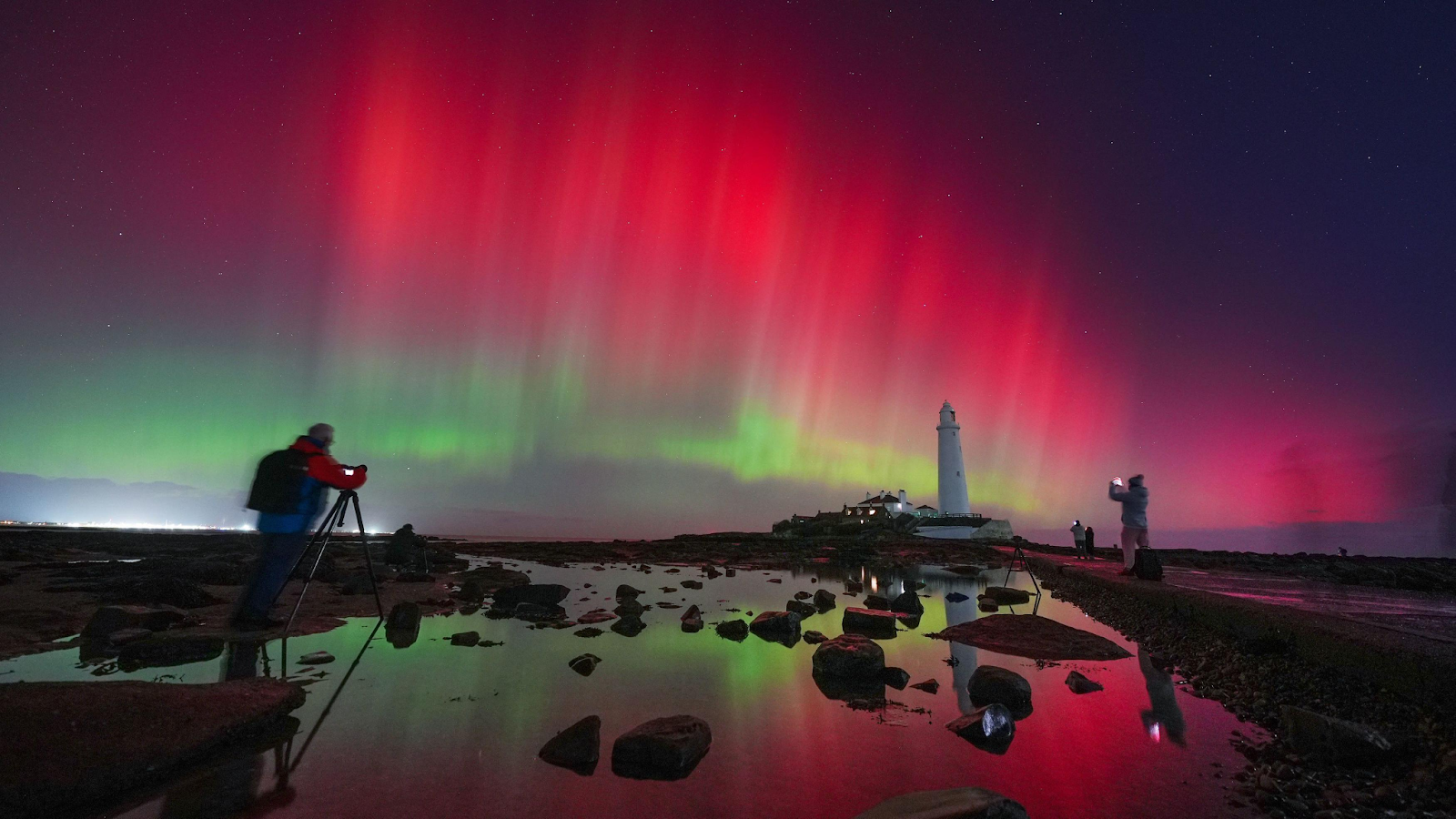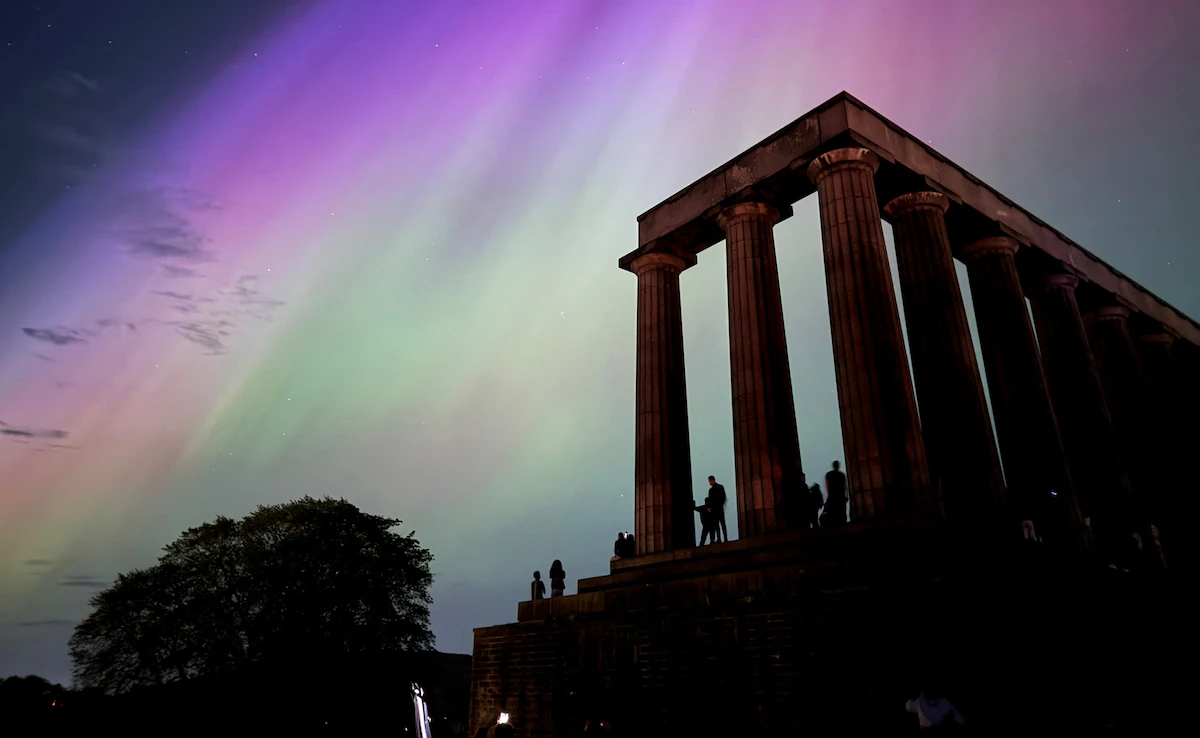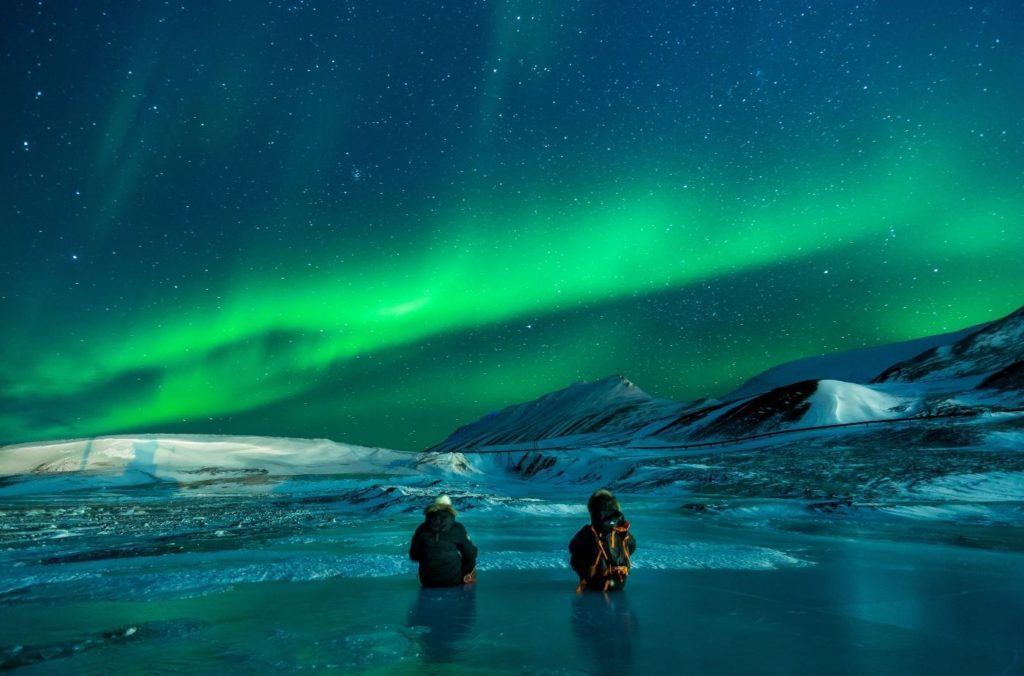
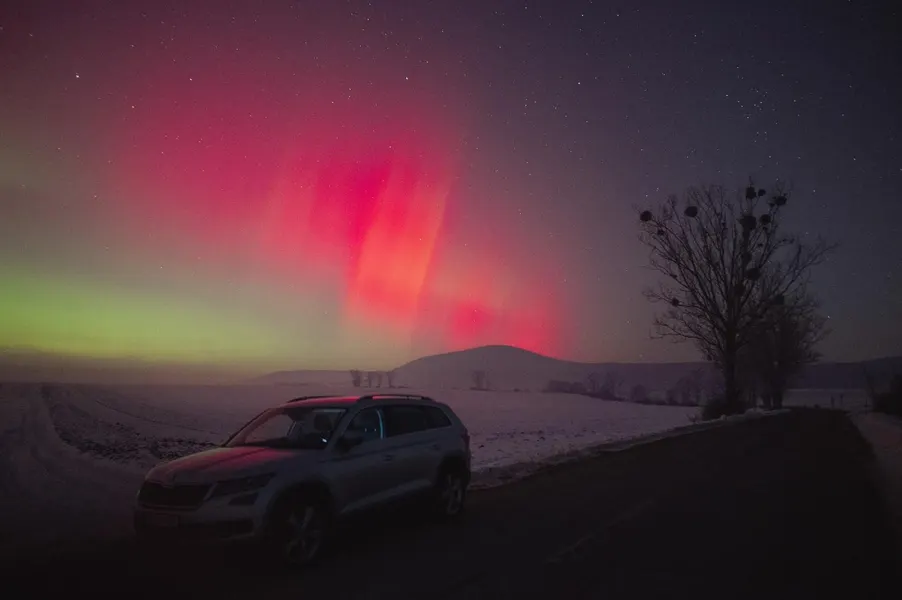
I traveled more than 1,000 miles chasing the Northern Lights, expecting beautiful photos—but what I experienced was far deeper. Standing beneath a living, moving sky changed how I see travel, nature, and time itself. This article explains why people journey so far for the aurora, how to plan it wisely, and why seeing it in person is life-altering.
Why Do People Travel Thousands of Miles Just to See the Aurora?
Before I booked the trip, almost everyone asked the same question.
“Is it really worth it?”
“Isn’t it just colorful lights in the sky?”
“Can’t you see the same thing online?”
I used to believe that too.
The Northern Lights—also called the aurora borealis—felt distant and abstract. I had seen stunning photos on Instagram, dramatic time-lapse videos on YouTube, and documentaries explaining the science behind them. It all looked incredible, but it didn’t feel urgent.
Then something shifted.
I realized that most of the experiences that truly stay with people—the ones they remember decades later—are not convenient, predictable, or guaranteed. They require effort, patience, and sometimes discomfort.
That realization is what pushed me to travel more than 1,000 miles just to look up at the sky.
Where I Went — And Why Location Is Everything for Auroras
Auroras don’t appear randomly. They follow very specific geographic and solar patterns.
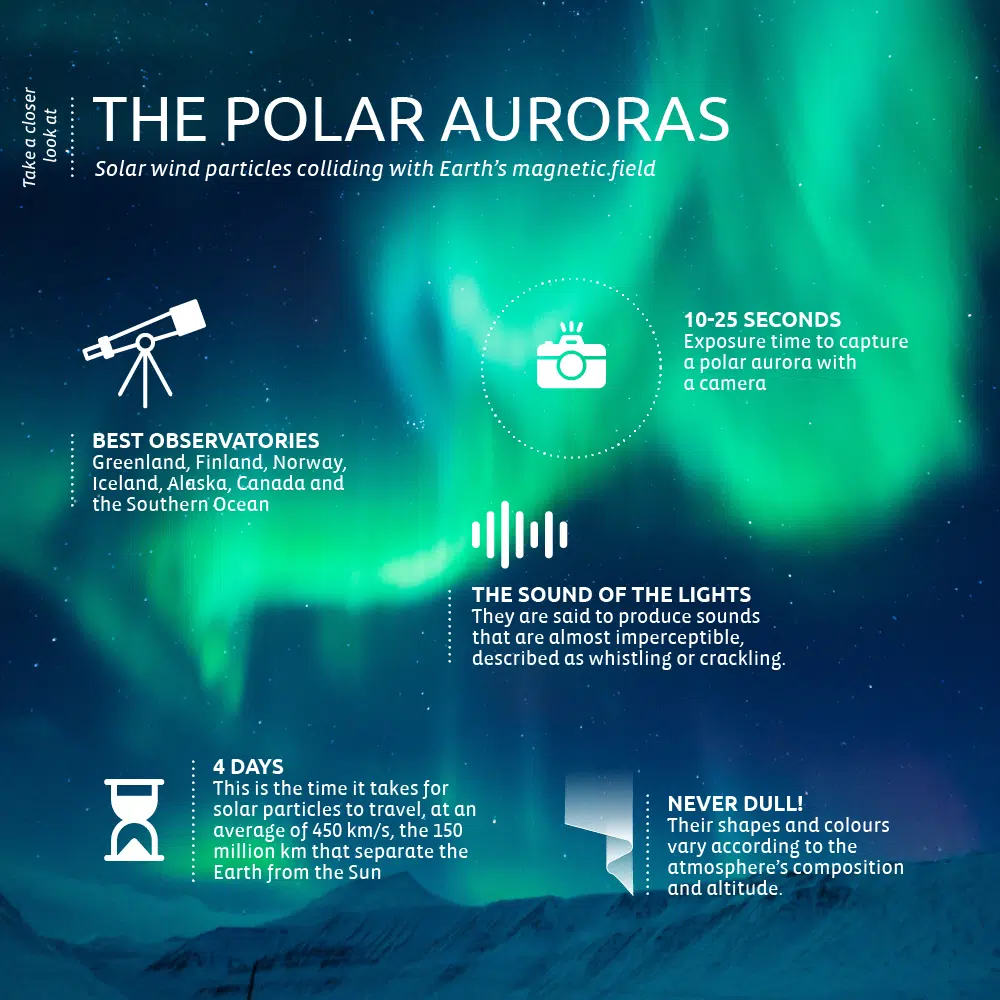
I traveled north into a region located beneath what scientists call the auroral oval. According to NASA and NOAA’s Space Weather Prediction Center, this oval is a ring around Earth’s magnetic poles where auroras are statistically most likely to appear.
This location mattered because it offered:
- High latitude near the Arctic Circle
- Extremely low light pollution
- Long winter nights with extended darkness
- Cold, dry air that often leads to clear skies
Aurora hotspots like Alaska, northern Canada, Iceland, Norway, and Finland all share these traits. I chose a destination where odds—not luck—were in my favor.
Still, odds are never guarantees.
The Journey Nobody Posts About on Social Media
Aurora travel looks magical online. In reality, it’s often exhausting.
The journey involved long flights, delayed connections, and hours of driving through empty, snow-covered landscapes. Temperatures dropped well below freezing. Standing still for more than a few minutes made fingers ache and toes numb.
There were nights when nothing happened.
No glow. No movement. Just darkness.
Aurora chasing teaches patience very quickly. You can’t rush the sky. You wait—and sometimes, you go home disappointed.
That possibility makes the experience real.
The Night Everything Changed
When it finally happened, it didn’t announce itself dramatically.
At first, I noticed something faint on the horizon. A pale, almost translucent band of light stretching across the sky. It was so subtle I wondered if my eyes were playing tricks on me.
Then it moved.
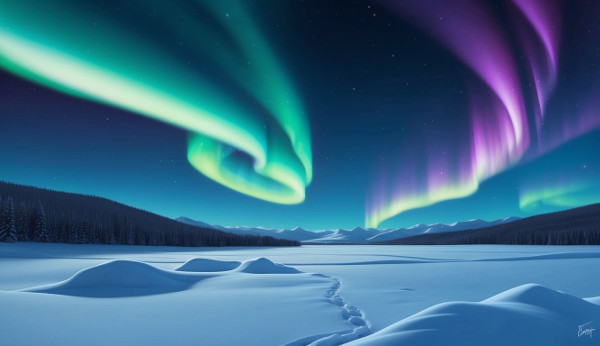
Slowly, deliberately, the light began to ripple. The band brightened, turning soft green. Waves formed, folding over themselves like curtains caught in a breeze.
Time seemed to pause.
I remember standing completely still, barely breathing, afraid that moving might somehow end it. The aurora wasn’t loud or explosive—it was quiet, alive, and impossibly graceful.
In that moment, I understood why people travel so far for this.
Why Seeing the Aurora in Person Is Nothing Like Photos or Videos
Photos prepare you for color.
They don’t prepare you for motion.
In real life, the aurora feels dynamic, almost sentient. It doesn’t behave like a static object. It dances, fades, returns, and shifts shape in ways cameras struggle to capture accurately.
Key differences you notice immediately:
- Colors are softer but more immersive
- Movement matters more than brightness
- Silence amplifies the emotional impact
- The scale is overwhelming—you feel small
Cameras exaggerate color saturation. Your eyes experience depth, rhythm, and atmosphere.
That’s why people who’ve seen the aurora in person often struggle to explain it afterward.
What’s Actually Happening in the Sky During an Aurora?
Without getting overly technical, the science is beautifully simple.
Auroras occur when charged particles from the Sun collide with gases in Earth’s upper atmosphere. These particles are guided by Earth’s magnetic field toward the poles, where they interact with oxygen and nitrogen.
This interaction produces light:
- Green auroras: oxygen at lower altitudes
- Red auroras: oxygen at higher altitudes
- Purple and blue hues: nitrogen interactions
According to NASA, auroral activity increases during periods of heightened solar activity, especially near solar maximum, which occurs roughly every 11 years. We are currently approaching such a peak, expected around 2025–2026.
That explains why aurora sightings—and aurora travel—are increasing worldwide.
How Far Do People Really Travel for the Aurora?
I traveled about 1,000 miles—but many go much farther.
While waiting under the stars, I met people from:
- Florida visiting Alaska for the first time
- California travelers chasing lights in Iceland
- Texas families seeing snow and auroras together
- European tourists crossing continents for one chance
Tourism data from aurora destinations shows a steady rise in aurora-focused travel, particularly from the United States.
Why?
Because people are craving experiences that feel authentic and unforgettable.
Was It Worth the Cost, Time, and Discomfort?
This is the most important question—and the hardest to answer objectively.
Financially, aurora travel isn’t cheap. Flights, cold-weather gear, accommodations, and multiple nights add up. There’s also the risk of seeing nothing at all.
But value isn’t measured only in guarantees.
What made it worth it wasn’t just the aurora—it was:
- Stepping outside routine
- Accepting uncertainty
- Being fully present in the moment
- Witnessing something that doesn’t exist for human convenience
The aurora doesn’t perform on demand. It reminds you that the world doesn’t revolve around schedules.
That lesson stayed with me long after I returned home.
Common Mistakes First-Time Aurora Travelers Make
Many first-timers underestimate how different aurora travel is from typical vacations.
Here are mistakes to avoid:
- Planning for only one night
- Staying too close to city lights
- Dressing inadequately for extreme cold
- Expecting bright colors immediately
- Ignoring cloud cover and moon phases
Auroras reward patience, flexibility, and preparation—not urgency.
Practical Advice: How to Plan an Aurora Trip the Smart Way
If you’re considering doing this yourself, focus on fundamentals rather than luxury.
Best Time to Go
- September to March (Northern Hemisphere)
- Peak viewing hours: 10 PM to 2 AM
- Clear skies + high geomagnetic activity
Best Places
- Alaska (Fairbanks region)
- Northern Canada (Yukon, Northwest Territories)
- Iceland
- Northern Norway and Finland
What to Bring
- Insulated winter clothing (layers matter)
- Hand and foot warmers
- Headlamp with red light mode
- Camera and tripod (optional, not required)
Preparation increases your odds—but patience completes the experience.
Why the Aurora Affects People Emotionally
Many travelers don’t expect the emotional reaction.
Some cry.
Some laugh.
Some just stand in silence.
Psychological research shows that experiences involving vastness—such as starry skies, mountains, or auroras—can trigger a feeling of awe, which is linked to increased humility, gratitude, and emotional well-being.
In simple terms: it shifts perspective.
Standing under the aurora made everyday stress feel smaller, quieter, less urgent.
Is Aurora Travel Becoming More Popular?
Yes—and the trend is accelerating.
Experts cite several reasons:
- Approaching solar maximum
- Improved aurora forecasting tools
- Viral social media content
- Post-pandemic demand for meaningful travel
But popularity doesn’t diminish the experience. When everyone around you is silent, staring upward, the moment still feels deeply personal.
What I Thought I Was Chasing — And What I Actually Found
I thought I was chasing a visual spectacle.
What I found instead was:
- Stillness
- Perspective
- A reminder that not everything needs explanation
- A deep sense of connection to something larger
I returned home unchanged on the outside—but internally recalibrated.
Frequently Asked Questions (Trending U.S. Searches)
1. Is traveling long distances for the aurora worth it?
For many people, yes—especially if you value once-in-a-lifetime experiences.
2. How far north do you need to go to see the aurora?
Typically near the Arctic Circle, though strong solar storms can push auroras farther south.
3. Can you see the aurora with the naked eye?
Yes, though colors often appear softer than in photos.
4. What’s the best country to see the Northern Lights?
Top choices include Alaska (USA), Canada, Iceland, Norway, and Finland.
5. How many nights should I plan?
At least 3–5 nights to improve your chances.
6. Do aurora tours guarantee sightings?
No. Auroras are natural phenomena and cannot be guaranteed.
7. Is aurora travel expensive?
It can be, but budget-friendly options exist with careful planning.
8. Why do people feel emotional when seeing the aurora?
Awe-inducing experiences often trigger strong emotional responses.
9. Is now a good time to plan an aurora trip?
Yes. Solar activity is increasing toward solar maximum (2025–2026).
10. Would you travel that far again to see it?
Absolutely—without hesitation.
Final Thoughts: Why That Moment Still Matters
I traveled 1,000 miles for a moment that lasted minutes.
And I would do it again.
Because some experiences aren’t meant to be optimized, rushed, or perfectly photographed. They exist to remind us that the world is vast, patient, and full of quiet miracles.
The aurora didn’t just light up the sky.
It changed how I look at it.