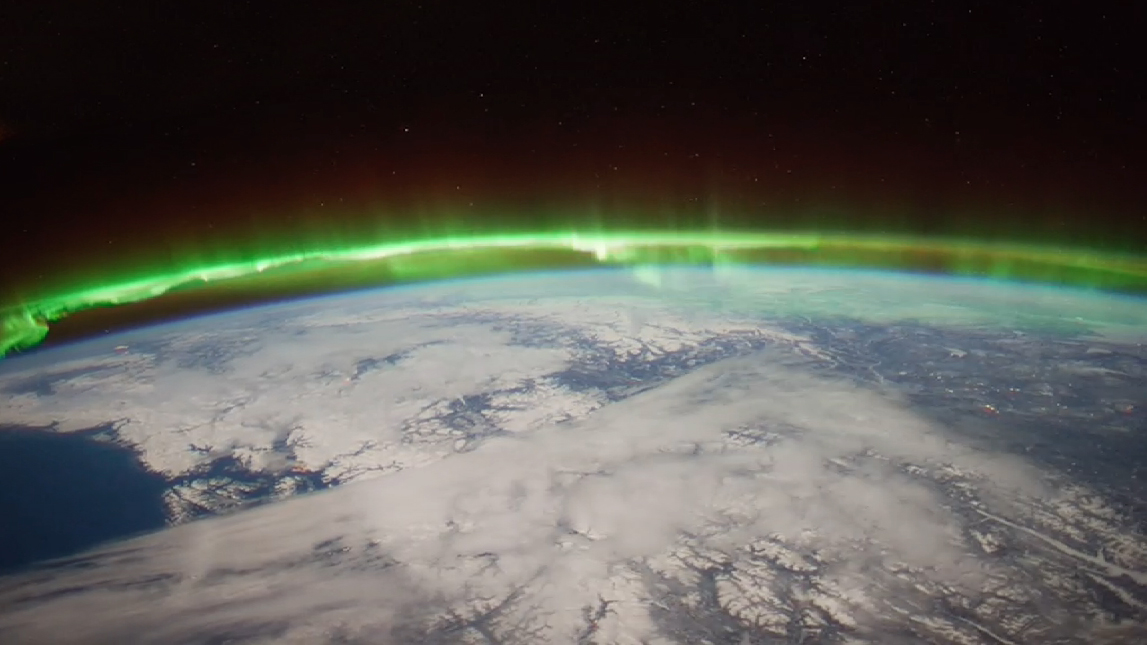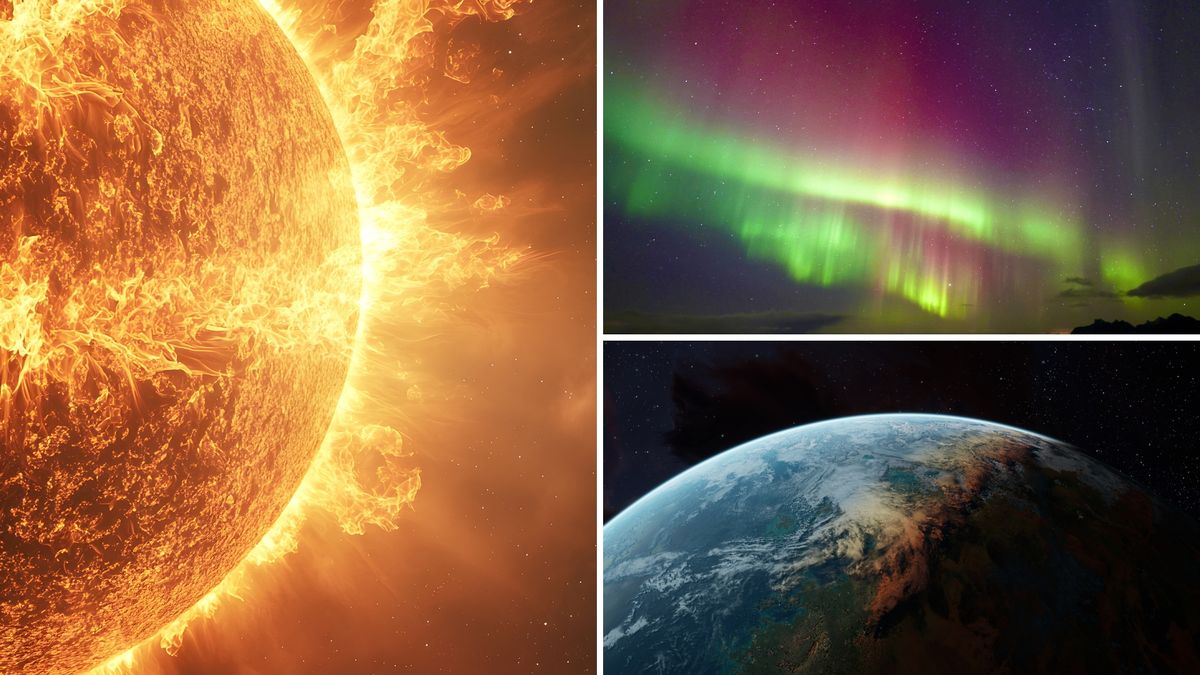
Scientists are now sharing real-time aurora data with the public, allowing anyone to track Northern Lights activity live from their phone. Using satellites, geomagnetic sensors, and advanced models, these tools show where auroras are forming right now and where they may appear next. This unprecedented access is transforming how Americans experience space weather and the night sky.
The Northern Lights Have Entered the Real Time Era
For centuries, auroras were mysterious and unpredictable. People saw glowing skies without warning and could only guess at their cause or meaning. Even after scientists understood that auroras came from solar activity, actually predicting when and where they would appear remained difficult—especially for the general public.
That reality has changed dramatically.
Today, scientists openly share live aurora data that anyone can watch from their phone. What was once locked inside research institutions is now available to everyday Americans in the form of interactive maps, real-time graphs, and color-coded alerts. This shift has turned aurora watching from a matter of luck into something closer to a science-guided experience.
This is not hype. It is the result of decades of space research combined with modern digital technology.
What “Real Time Aurora Data” Actually Means
When scientists talk about real-time aurora data, they are not referring to vague forecasts or yesterday’s observations. They mean continuously updated measurements that show what is happening in Earth’s space environment right now.
Real-time aurora data includes:
- Solar wind speed and density
- Magnetic field orientation from incoming solar storms
- Geomagnetic activity levels over Earth
- Probable aurora intensity and location
These measurements are refreshed every few minutes, sometimes even faster during major space-weather events.
Real-life example:
A family in northern Wisconsin once relied on local Facebook groups to know if auroras might appear. Now, they open a live aurora map on their phone, see activity intensifying, and step outside at the right moment instead of guessing.
Who Is Sharing This Aurora Data With the Public
The availability of real-time aurora data is the result of collaboration among major scientific institutions whose primary mission is research and public safety.
Key contributors include:
- NASA, which operates solar-monitoring satellites
- NOAA’s Space Weather Prediction Center, which issues official space-weather alerts
- International research agencies, including European and Canadian partners
- University-based observatories and magnetometer networks
- Citizen science programs that help validate observations
These organizations collect data to protect satellites, power grids, and aviation systems. Making that data public adds educational value without compromising safety.
How Scientists Collect Aurora Data in Real Time
Auroras are monitored through a layered system that combines space-based and ground-based instruments. No single tool tells the whole story.
Scientists rely on:
- Solar observatories watching the Sun for flares and eruptions
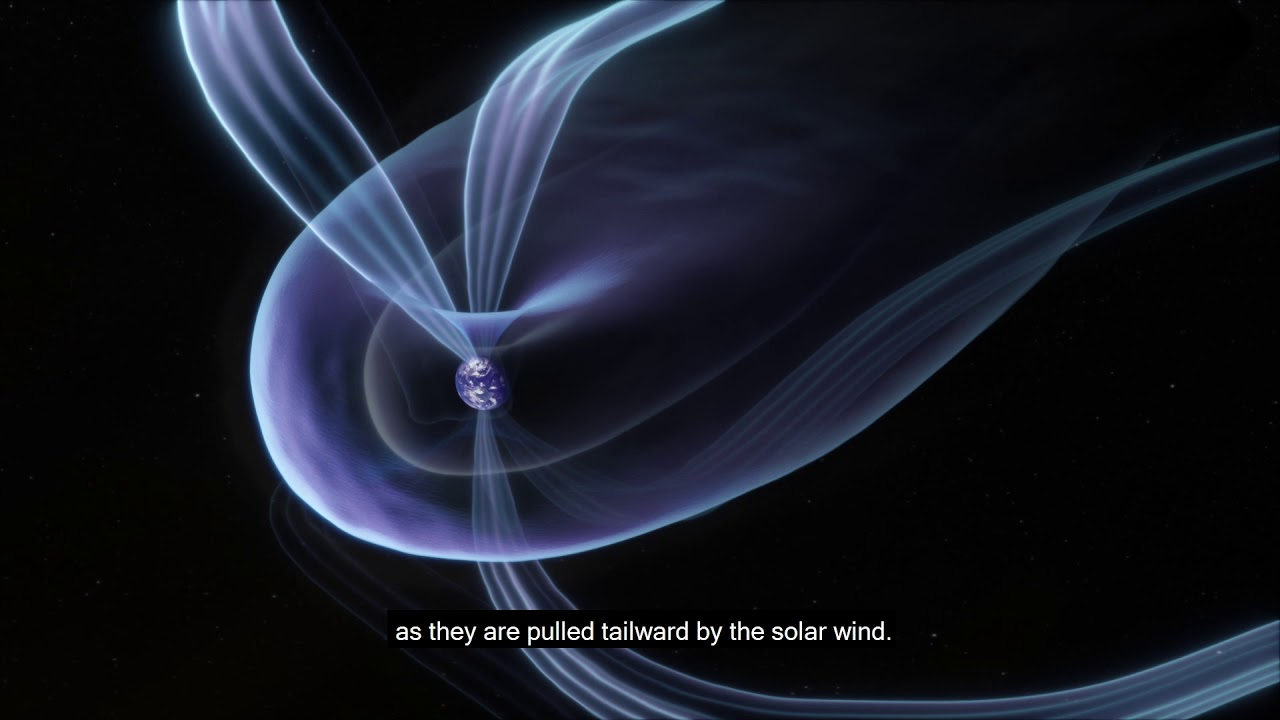
- Spacecraft measuring solar wind before it reaches Earth
- Magnetometers on the ground detecting disturbances in Earth’s magnetic field
- Optical sensors measuring light emissions in the upper atmosphere
All of this information flows into models that update continuously.
Real-life example:
When a solar storm leaves the Sun, satellites detect it days before it arrives. As it approaches Earth, real-time measurements tighten the prediction window. When it hits, magnetometers spike—and auroras follow. Every step can be watched live.
Why You Can Now Watch Aurora Activity From Your Phone
This public access did not exist even a decade ago. Several technological shifts made it possible.
Key factors include:
- Faster satellite data transmission
- Cloud computing that processes data instantly
- User-friendly visual tools instead of raw numbers
- Widespread smartphone adoption
Instead of reading complex graphs, users now see color-coded maps that clearly show aurora probability and intensity.
This design choice was intentional. Scientists wanted tools that non-experts could understand without oversimplifying the science.
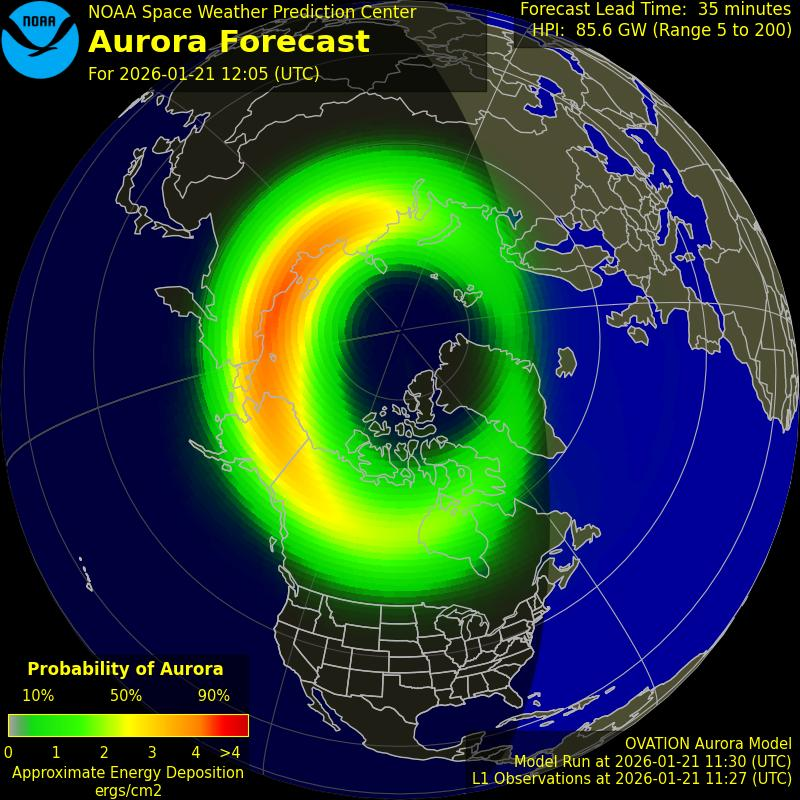
What Real Time Aurora Maps Actually Show
Aurora maps can look simple, but they represent complex physics.
Most live maps display:
- The auroral oval, a ring where auroras are most likely
- Probability levels indicating how likely auroras are to be visible
- Intensity shading showing how strong the auroras may be
- Time stamps confirming the data is live
These maps answer the most common question Americans ask: Should I go outside right now?
How Accurate Is Live Aurora Data
Accuracy is one of the biggest concerns for new users.
Real-time aurora data is:
- Very accurate for current conditions
- Moderately reliable for short-term predictions
- Less certain for long-range forecasts
Space weather is inherently unpredictable, but live measurements dramatically reduce guesswork.
Real-life example:
During a recent geomagnetic storm, live data showed auroras expanding south faster than forecast models predicted earlier that day. People who watched the live maps saw the change and caught the display.
Why Scientists Decided to Make Aurora Data Public
Aurora data was once reserved for scientists and infrastructure operators. That changed for several reasons.
Scientists recognized that:
- The public was already seeking this information
- Open data builds trust and understanding
- Citizen reports improve scientific models
- Education is part of their mission
Sharing data also helps reduce misinformation by providing authoritative sources.
How Real Time Aurora Data Helps More Than Skywatchers
While aurora enthusiasts benefit the most visibly, real-time aurora data serves serious purposes.
It helps:
- Airlines manage polar flight routes
- Power companies protect electrical grids
- Satellite operators adjust orbits
- Navigation systems maintain accuracy
Public dashboards are simplified versions of tools used professionally in these industries.
What Americans Learn by Watching Live Aurora Data
Watching real-time aurora data teaches people that space weather is not abstract.
It shows:
- How quickly conditions can change
- Why predictions improve as storms approach
- How Earth’s magnetic field responds dynamically
- That the Sun directly affects daily life
This understanding increases scientific literacy without requiring formal education.
How to Use Real Time Aurora Data on Your Phone
A Simple Routine for Beginners
Most people use aurora data in a straightforward way:
- Check live aurora maps after sunset
- Watch for increasing activity levels
- Compare with local weather conditions
- Go outside during peak intensity
Real-life example:
In Michigan’s Upper Peninsula, families have started treating aurora watching like weather watching—checking maps together before deciding whether to step outside.
Why Cameras Often Confirm What Data Predicts
Aurora data sometimes shows activity before it becomes obvious to the eye.
Cameras help because they:
- Detect faint light emissions
- Capture colors invisible to human vision
- Confirm auroras earlier than eyesight alone
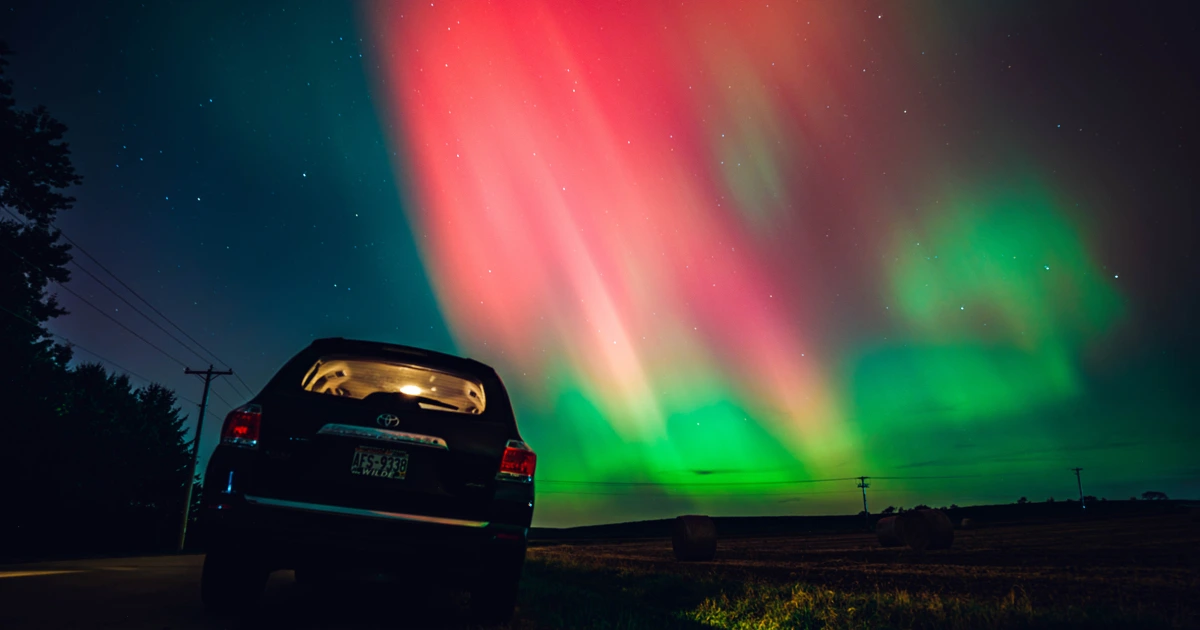
This is why people often see auroras in photos before they notice them directly.
How Citizen Scientists Are Now Part of the System
Public involvement has become a powerful part of aurora science.
People contribute by:
- Uploading aurora photos with location and time
- Reporting visibility conditions
- Comparing real-world observations with data
Scientists use these reports to validate models and improve accuracy.
This partnership has transformed aurora science into a shared effort.
What Real Time Aurora Data Means for the Future
Scientists expect public access to improve even further.
Likely developments include:
- Push notifications for aurora alerts
- Location-specific prediction models
- Augmented-reality sky overlays
- AI-assisted pattern recognition
Aurora watching may soon be as routine as checking the weather forecast.
Why This Moment Is Historic for Space Science
For the first time, millions of people can watch Earth interact with the Sun as it happens.
This represents:
- Democratization of scientific data
- Increased trust in research institutions
- Greater public engagement with science
Science is no longer hidden behind closed doors—it’s live, visible, and shared.
Common Mistakes People Make With Aurora Data
New users often misunderstand what the data shows.
Common mistakes include:
- Assuming high probability guarantees visibility
- Ignoring cloud cover and light pollution
- Watching at the wrong time window
- Confusing forecast maps with live maps
Understanding these limits leads to better experiences.
How Scientists Maintain Accuracy and Trust
To ensure reliability, scientists:
- Clearly label data sources
- Update models continuously
- Publish uncertainty ranges
- Cross-check multiple instruments
This transparency reinforces credibility and authority.
10 Frequently Asked Questions About Real Time Aurora Data
Can I really watch aurora activity live on my phone
Yes live data updates show current space-weather conditions
Is real time aurora data free to access
Yes most public dashboards are free
How often does the data refresh
Typically every few minutes
Does live data guarantee I’ll see auroras
No it shows probability not certainty
Why does aurora activity change so quickly
Space weather is highly dynamic
Can people in southern states use this data
Yes especially during strong geomagnetic storms
Is real time aurora data useful for photography
Yes many photographers rely on it
Do clouds affect aurora visibility
Yes clouds block visibility regardless of activity
Is this the same data scientists use
Yes but presented in a simplified format
Will aurora tracking tools keep improving
Scientists expect major advances in the coming years
Why Real Time Aurora Data Makes the Sky Feel Closer
For many Americans, the Northern Lights once felt distant—something other people experienced in faraway places.
Real-time aurora data changes that.
It turns the night sky into something interactive and understandable. It connects daily life with cosmic events happening above our heads in real time.
Final Takeaway
The sharing of real-time aurora data marks a turning point in how science connects with the public. With nothing more than a phone, anyone can now watch Earth respond to the Sun as it happens.
This is not just about seeing auroras. It’s about transparency, education, and bringing space science into everyday life.
The sky is no longer silent. And now, you can watch it live.