If you missed last night’s aurora, you’re not alone—and it wasn’t a forecast failure. A sudden shift in solar wind and magnetic alignment triggered a fast, intense geomagnetic response that lit up the skies briefly before fading. This in-depth guide explains why the aurora burst happened so quickly, why many people missed it, what scientists learned, and how to prepare for the next surprise display.
The Morning After: Why Everyone Is Asking the Same Question
This morning, thousands of Americans woke up to the same sinking feeling.
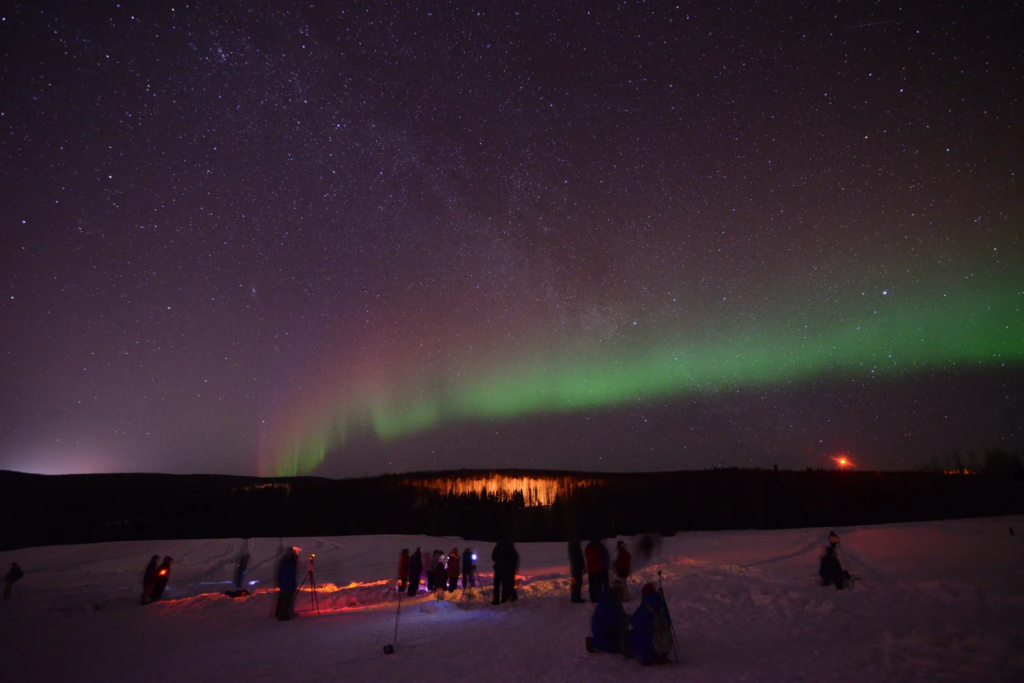
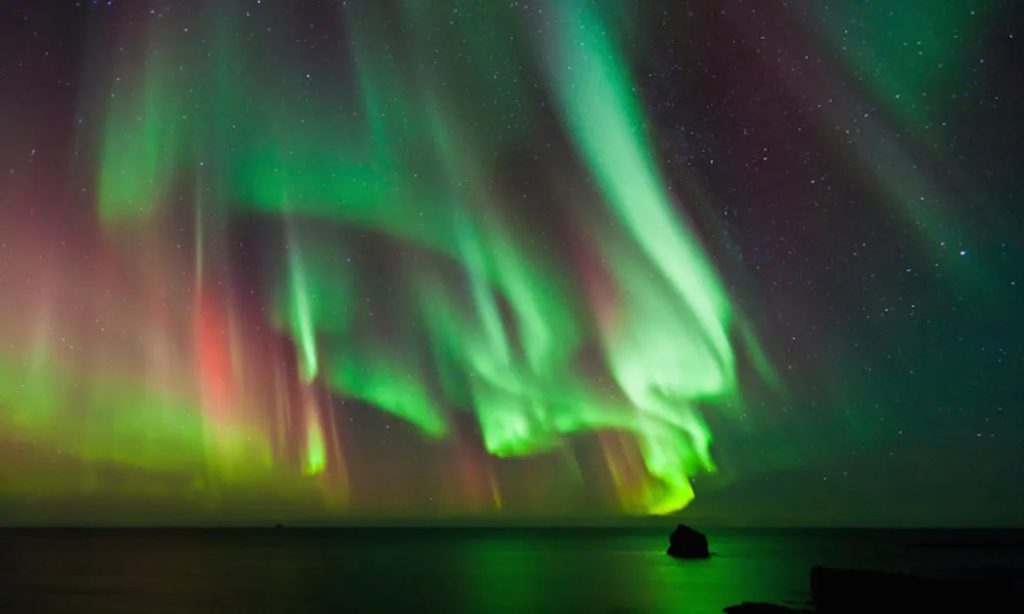
Their social feeds were suddenly full of glowing skies—green arcs over farmland, red horizons above quiet highways, pink streaks caught on phone cameras. The captions told a familiar story:
“How did I miss this?”
“I checked the forecast and saw nothing.”
“Why didn’t anyone warn us?”
If you’re asking those questions, you’re in good company. Last night’s aurora wasn’t just beautiful—it was unexpected, fast, and fleeting. And that’s exactly why it caught so many people off guard.
Auroras don’t always arrive with countdowns. Sometimes, they erupt suddenly, peak quickly, and vanish before most people even realize what’s happening.
To understand why this one did, we have to look far beyond Earth—straight back to the Sun.
Why Last Night’s Aurora Felt Like It Came Out of Nowhere
Most auroral displays follow a familiar rhythm. Scientists detect solar activity days in advance. Forecast maps slowly expand southward. Alerts build gradually. People plan ahead.
Last night broke that pattern.
The aurora intensified rapidly, spread wider than expected, and faded within a short window—sometimes less than an hour depending on location. For many Americans, the strongest colors appeared late, quietly, and without dramatic warning.
This wasn’t because scientists missed something obvious. It happened because space weather doesn’t always announce itself loudly.
What Actually Triggered the Sudden Aurora Burst?
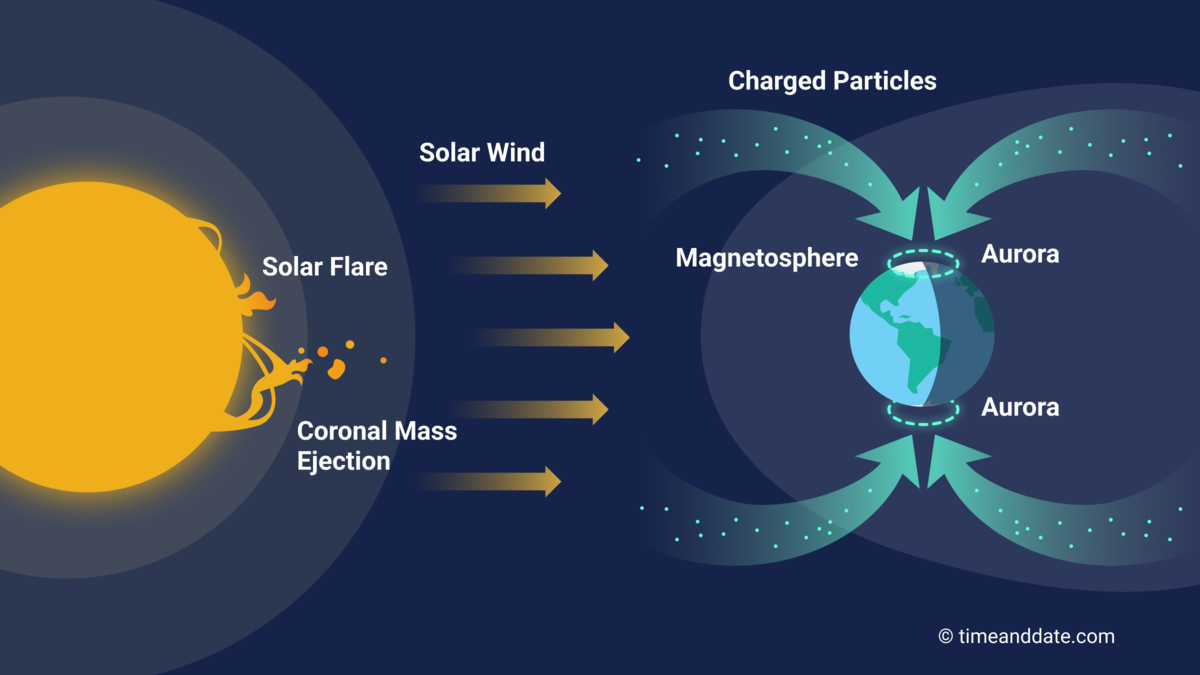
The trigger wasn’t just a solar flare or a massive explosion from the Sun. Instead, it was a combination of timing, speed, and magnetic alignment—the most important factors in aurora formation.
Last night’s aurora was driven by:
- A sudden increase in solar wind speed
- A sharp change in magnetic field direction
- Highly efficient energy transfer into Earth’s magnetosphere
Together, these created a rapid geomagnetic response—faster than most models could fully anticipate.
The Hidden Factor That Made This Aurora Explode: Magnetic Alignment
Most aurora discussions focus on solar storms. But one factor matters just as much—and it rarely gets attention outside scientific circles.
That factor is magnetic orientation, specifically whether the Sun’s magnetic field points northward or southward when it reaches Earth.
In simple terms:
- A southward-pointing solar magnetic field connects more easily with Earth’s field
- This connection allows energy to rush into Earth’s atmosphere
- Auroras intensify quickly when this alignment happens suddenly
Last night, the magnetic field flipped southward at just the wrong—or right—moment.
That sudden alignment is why the aurora burst so dramatically.
Why Forecast Models Struggled to Keep Up
Aurora forecasts rely on real-time measurements taken by satellites positioned far upstream from Earth. These satellites provide valuable warnings—but the warning window is often short.
In this case:
- Solar wind conditions changed rapidly
- Magnetic orientation flipped late
- Models updated close to the event
By the time alerts escalated, the aurora was already unfolding.
This isn’t a flaw in science—it’s the reality of forecasting a dynamic, magnetic system millions of miles wide.
Real-Life Accounts: How the Aurora Appeared and Disappeared
Reports from across the US followed a similar pattern.
In the Midwest:
- A faint glow appeared near the northern horizon
- Green pillars emerged suddenly
- Red patches flickered overhead
- The entire display faded within 30–45 minutes
In southern states:
- Auroras appeared mostly as pink or red glows
- Many were visible only through phone cameras
- Viewing windows were extremely short
Those who stepped outside at the right moment were stunned. Everyone else woke up confused and frustrated.
Why Auroras Sometimes Peak When You’re Not Looking
Auroras respond to magnetic reconnection—sudden releases of energy that don’t follow human schedules.
These bursts can happen:
- Late at night
- After midnight
- In short, intense waves
That’s why some of the most memorable auroras last only minutes. Miss the window, and it feels like nothing happened at all.
Was This a Major Geomagnetic Storm or Just a Perfect One?
Interestingly, last night’s event wasn’t the strongest geomagnetic storm on record.
What made it stand out was:
- How efficiently energy entered Earth’s system
- How fast the response occurred
- How wide the visibility spread
In space weather, alignment and timing can matter more than raw strength.
Why Some Locations Saw It Clearly While Others Saw Nothing
Aurora visibility depends on more than latitude.
Key factors included:
- Local cloud cover
- Light pollution
- Viewing direction
- Observer patience
Someone in a dark rural area may have seen vivid colors, while someone closer to the auroral zone but under city lights saw nothing at all.
What the Aurora Probably Looked Like Where You Live
Many people expect auroras to look like bright green curtains across the entire sky.
In reality, last night’s aurora often appeared as:
- A faint gray or white glow
- A reddish band near the horizon
- Subtle movement rather than dramatic waves
- Colors visible mainly through cameras
This subtlety is why auroras are often missed even when they’re present.
Why Phone Cameras Detected the Aurora First
Smartphones have quietly become one of the best aurora detection tools.
That’s because:
- Cameras collect light over several seconds
- Human eyes lose color sensitivity at night
- Red auroras are especially hard to see
Many people only realized they’d seen an aurora after reviewing their photos.
Why Social Media Exploded After the Aurora Was Over
Auroras don’t trend in real time. They trend after.
People:
- Upload photos once they go inside
- Compare sightings across regions
- Realize what they missed too late
That’s why auroras often dominate timelines the next morning.
What Scientists Learned From This Surprise Event
Every aurora adds to scientific understanding.
From last night’s burst, researchers observed:
- Rapid magnetic reconnection
- Strong ionospheric currents
- Efficient energy transfer despite moderate storm strength
These insights help refine future models—even if surprises remain inevitable.
Will This Happen Again Soon?
Possibly—and unpredictably.
We are currently in Solar Cycle 25, a phase marked by:
- Increased solar activity
- More frequent geomagnetic disturbances
- Greater chances for auroras across the US
Sudden bursts like last night’s can happen again, especially during active solar periods.
How to Improve Your Odds of Catching the Next Surprise Aurora
You can’t control the Sun—but you can prepare.
Practical steps:
- Check aurora forecasts before going to bed
- Enable space weather alerts
- Step outside if activity spikes suddenly
- Use your phone camera to scan the sky
- Stay patient for at least 30 minutes
Aurora watching rewards flexibility.
Why Aurora Alerts Sometimes Arrive “Too Late”
Aurora alerts are not like storm warnings.
They depend on:
- Real-time satellite data
- Rapidly changing magnetic conditions
- Limited lead time
Sometimes, the alert arrives just as the aurora peaks—or even after it fades.
That’s the nature of space weather forecasting.
Why Missing an Aurora Feels So Personal
Auroras trigger an emotional response because they are:
- Rare
- Unrepeatable
- Different every time
Missing one can feel like missing a once-in-a-lifetime moment—even though another may come.
That feeling is part of the aurora’s power.
Is Climate Change Responsible for Sudden Auroras?
This question comes up often.
Auroras are driven by:
- Solar activity
- Magnetic fields
- Atmospheric chemistry
They are not caused by climate change, though atmospheric conditions can subtly affect how they appear.
Are Sudden Auroras Dangerous?
Auroras are completely safe to watch.
They occur far above:
- Aircraft
- Weather systems
- Human exposure
While strong solar storms can affect satellites and power grids, observing an aurora poses no risk.
Why Scientists Call Auroras “Space Weather Feedback”
Auroras are Earth’s visible response to solar energy.
They reveal:
- How energy enters Earth’s system
- How magnetic fields react
- How the upper atmosphere responds
In that sense, auroras are Earth’s way of answering the Sun.
10 Trending FAQs Americans Are Asking Today
1. Why did the aurora appear so suddenly last night?
A rapid magnetic alignment allowed energy to enter Earth’s atmosphere quickly.
2. Was the aurora forecast in advance?
Partially, but the strongest burst was unexpected.
3. Why didn’t I see it even though others did?
Clouds, light pollution, timing, and subtle visibility all matter.
4. Did I miss the only chance?
No. Solar Cycle 25 means more opportunities are coming.
5. Can auroras really appear in southern states?
Yes, during strong or well-aligned geomagnetic events.
6. Why do auroras fade so quickly sometimes?
Because the energy input can stop abruptly.
7. Are phone photos reliable for spotting auroras?
Yes—often more reliable than human eyes.
8. Is there a way to get earlier warnings?
Following real-time space weather alerts helps.
9. Do auroras always look green?
No. Many appear white, red, or pink.
10. Will tonight’s sky look the same?
Probably not—space weather changes constantly.
Why Missing an Aurora Doesn’t Mean You Failed
Auroras don’t reward perfection.
They reward curiosity, patience, and timing.

If you missed last night’s display, you didn’t do anything wrong—you experienced the reality of living in a dynamic solar system.
Final Takeaway: The Aurora You Missed Still Matters
Last night’s aurora wasn’t just a missed spectacle—it was a lesson.
The Sun is active.
Earth is responsive.
And the sky can change without warning.
Next time alerts buzz late or photos start appearing unexpectedly, you’ll know what’s happening—and why it’s worth stepping outside.
Because when the universe decides to put on a show, it doesn’t wait for permission.