Spectacular aurora “explosions” have been caught on camera across Mid-America, stunning residents in states where the Northern Lights are rarely seen. Triggered by intense solar storms and peak solar-cycle activity, these sudden bursts of green, pink, and red light transformed ordinary night skies into extraordinary scenes. Experts say this could be one of the most dramatic aurora events the region has experienced in decades.
A Night Mid-America Will Never Forget
For people living across America’s heartland, the night sky is usually predictable. A scattering of stars, blinking aircraft lights, maybe a meteor if you’re lucky. The Northern Lights—those flowing curtains of color—belong to faraway places like Alaska or northern Canada, not cornfields, highways, and suburban neighborhoods.
That belief collapsed in spectacular fashion.
Over several unforgettable nights, residents across Mid-America witnessed something they never expected to see: sudden, explosive aurora displays bursting across the sky. These were not faint glows hovering on the horizon. They were bright, fast-moving eruptions of color that appeared suddenly, shifted rapidly, and vanished just as quickly.
Even more astonishing, many of these moments were caught on camera, turning everyday people into witnesses of one of the most dramatic sky events the region has seen in years.
What Are “Aurora Explosions” and Why Do They Matter?
“Aurora explosion” isn’t a formal scientific term, but it is widely used by aurora researchers and experienced skywatchers. It describes moments when auroral activity intensifies suddenly, creating a dramatic visual burst.
Instead of slowly drifting light, the aurora:
- Brightens rapidly
- Expands across large sections of the sky
- Pulses, flickers, or snaps into new shapes
These events are rare because they require extremely dynamic conditions in Earth’s magnetic field. Seeing them over Mid-America—far from the Arctic—is even more unusual.
This is why experts and photographers alike are calling this event extraordinary.
Where the Aurora Explosions Were Captured
Perhaps the most shocking aspect of this event is where it happened.
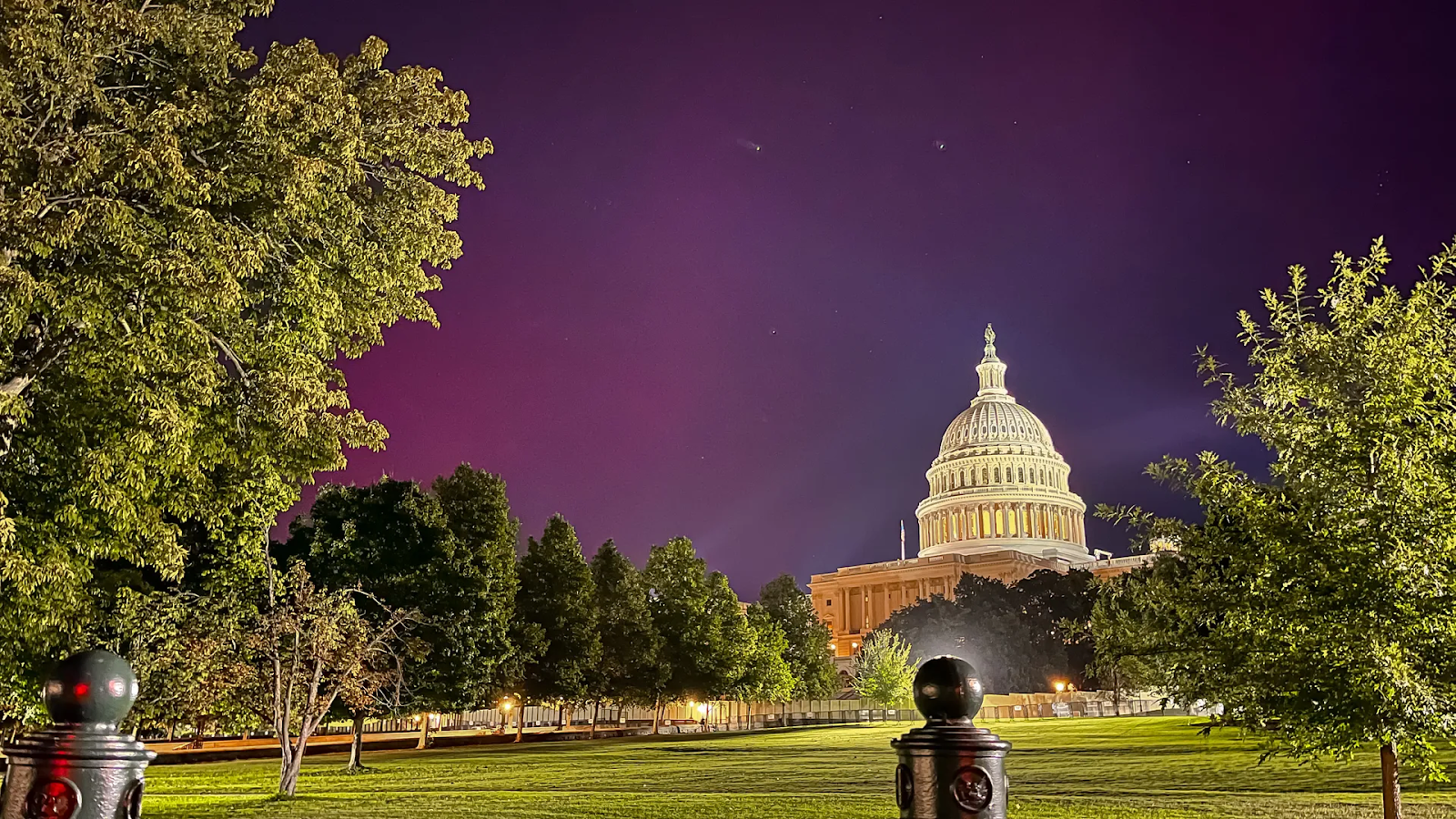
Footage and photos poured in from states that almost never experience visible auroras.
Mid-America locations where aurora explosions were captured include:
- Minnesota and Wisconsin
- Michigan
- Iowa and Illinois
- Indiana and Ohio
- Missouri
- Nebraska
- Kansas
- Parts of Kentucky and Tennessee
In some areas, the aurora was visible to the naked eye. In others, it appeared faint until viewed through a camera, where the colors suddenly became vivid and unmistakable.
One Nebraska photographer described watching the sky “ignite” with green arcs that shifted shape every few seconds. A Missouri resident initially thought stadium lights had turned on miles away—until the light began to ripple overhead.
Why Mid-America Rarely Sees Auroras—Until Now
Under normal circumstances, auroras remain confined to regions near the Arctic Circle. Earth’s magnetic field channels solar energy toward the poles, keeping lower latitudes mostly untouched.
This event broke that pattern.
The reason lies with the Sun and a powerful chain reaction unfolding in space.
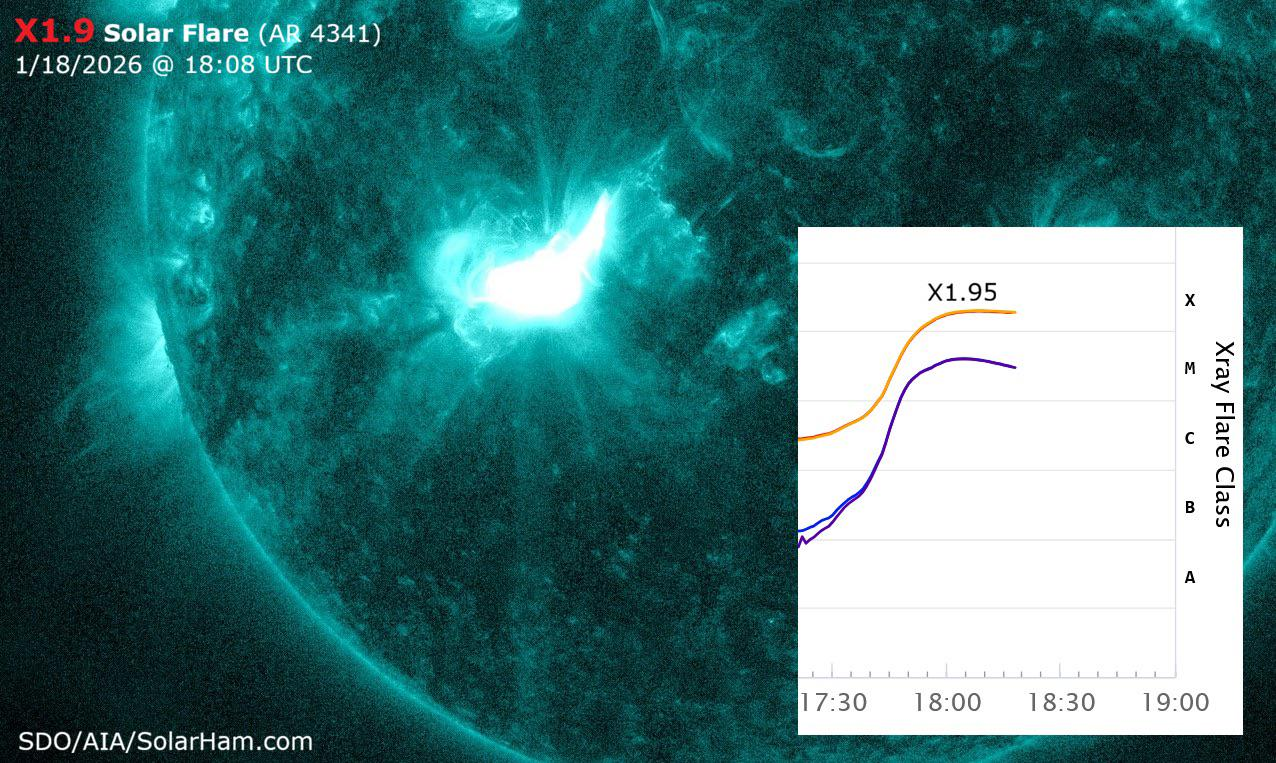
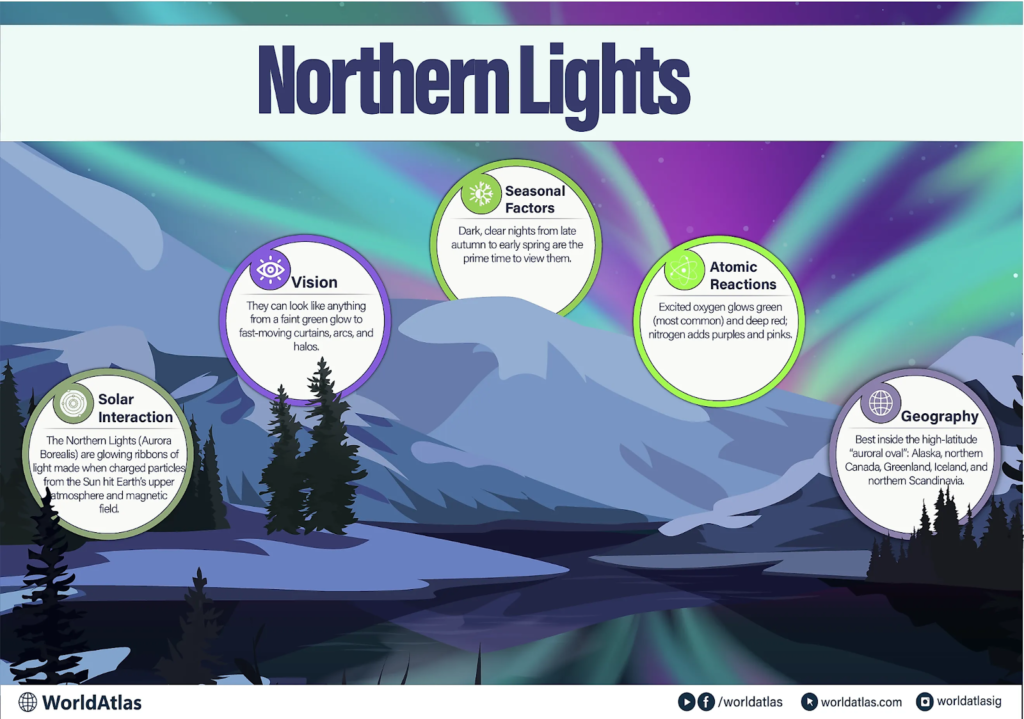
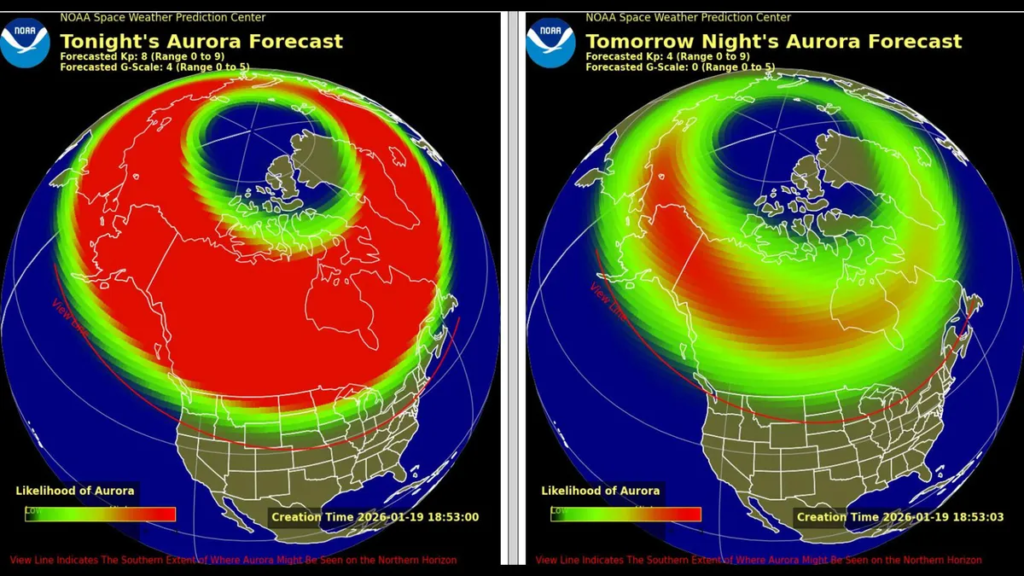
Auroras form when charged particles from the Sun collide with Earth’s magnetic field and atmosphere. During quiet solar periods, this interaction stays near the poles. During powerful solar storms, Earth’s magnetic field is compressed and distorted, allowing auroral activity to spread southward.
This recent event was fueled by:
- A strong coronal mass ejection (CME) erupting from the Sun
- High-speed solar wind aimed directly at Earth
- Elevated particle density overwhelming Earth’s magnetic defenses
- Favorable magnetic alignment that allowed deep penetration
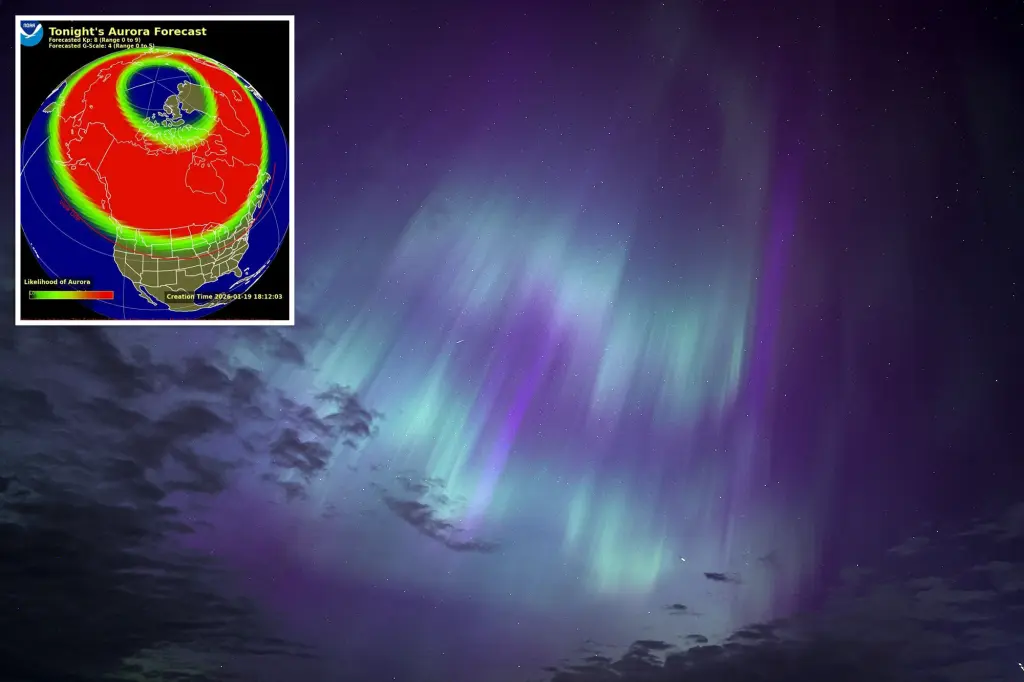
The result was an auroral oval stretching far enough south to engulf Mid-America.
The Solar Cycle’s Role in These Rare Explosions
This event didn’t happen by chance.
The Sun operates on an 11-year solar cycle, shifting between quiet and active phases. Scientists track this cycle closely because it influences space weather near Earth.
We are currently approaching the peak of Solar Cycle 25, expected around 2025–2026. As the Sun becomes more active, it produces:
- More sunspots
- More solar flares
- More coronal mass ejections
- Stronger geomagnetic storms
Experts have warned for years that this period would bring more frequent and more intense aurora events, including rare southern sightings. The aurora explosions over Mid-America are a clear sign that the Sun is entering a highly active phase.
Why Cameras Captured the Most Dramatic Views
One of the most fascinating aspects of this event is how often cameras revealed the aurora before people realized it was there.
Modern smartphone cameras and digital sensors are extremely sensitive to low light. They gather light over longer exposures than the human eye, allowing them to capture faint colors and motion that may otherwise go unnoticed.
Cameras were able to reveal:
- Green arcs invisible to the naked eye
- Red and pink hues at higher altitudes
- Rapid structural changes occurring over seconds
This explains why so many first-time viewers only realized what they had witnessed after reviewing their photos.
Real Stories From People Who Witnessed the Aurora Explosions
The science behind auroras is fascinating—but the human reactions are unforgettable.
In rural Wisconsin, a family stepping outside late at night noticed a faint glow near the horizon. Within minutes, the glow intensified into rippling bands overhead. Children were woken up. Phones came out. The yard fell silent as everyone watched.
In Ohio, a truck driver pulled over on a dark highway after noticing strange reflections on the road. When he looked up, he saw green light stretching across the sky. He later described it as “something I’ll never forget.”
Across social media, similar stories emerged:
- Neighbors calling each other outside
- People mistaking auroras for clouds or city lights
- Shock turning into awe
These shared moments are why auroras leave such a deep emotional impact.
How Bright Were These Aurora Explosions?
Aurora strength is measured using the Kp index, which ranges from 0 (quiet) to 9 (extreme).
- Kp 5–6: Typical auroras visible in northern states
- Kp 7: Strong storms with widespread visibility
- Kp 8–9: Rare, historic events
This event reached Kp 7+, strong enough to produce sudden brightening and explosive motion across large areas.
While not as extreme as the legendary 2003 Halloween storms, this event stands out for its visual drama and reach across Mid-America.
The Colors That Lit Up the Heartland
Aurora color depends on altitude and atmospheric composition.
- Green is the most common color and easiest to see
- Red appears at higher altitudes during strong storms
- Pink and purple result from mixed atmospheric gases
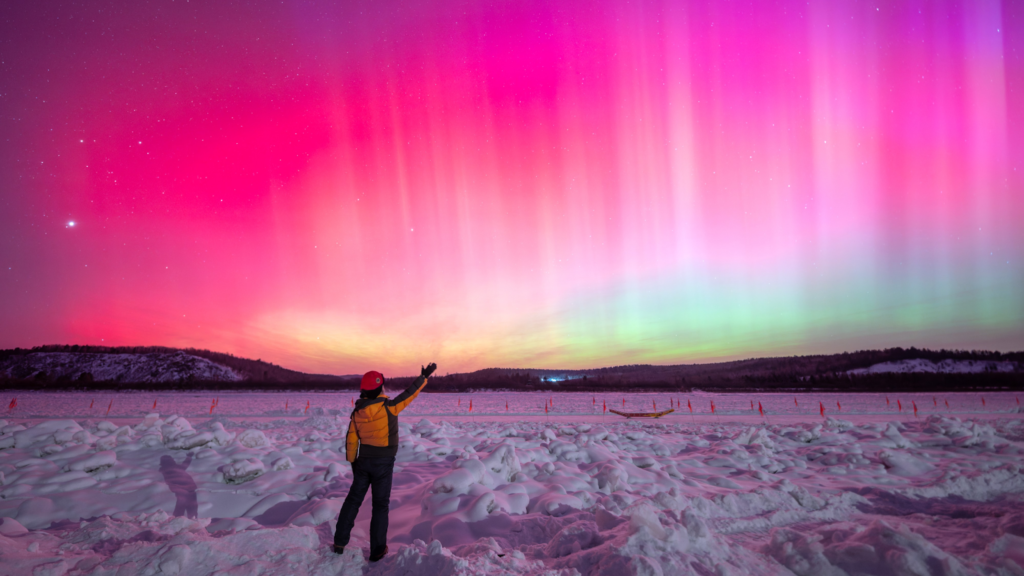
During this event, many Mid-America observers captured rare red and pink hues, a sign of powerful geomagnetic activity.
Could Aurora Explosions Affect Daily Life or Technology?
Strong geomagnetic storms can interact with modern technology, but serious disruptions are rare.
Possible effects include:
- Temporary GPS inaccuracies
- Minor satellite communication issues
- Radio signal interference
- Airline route adjustments near polar regions
According to space-weather agencies, no significant infrastructure damage occurred during this event, and power grids remained stable.
How to Spot an Aurora Explosion Yourself
If solar activity remains high, similar events may happen again.
Practical tips for spotting explosive auroras:
- Watch between 10 PM and 2 AM local time
- Scan the entire sky, not just the horizon
- Look for sudden brightening or rapid movement
- Use a phone or camera in night mode
- Stay outside for at least 20–30 minutes
Aurora explosions are unpredictable, but patience dramatically increases your chances.
Why This Event Is More Than Just a Viral Moment
It’s easy to see aurora footage online and scroll past. But events like this are scientifically and culturally important.
They remind us that:
- Earth exists in a dynamic space environment
- The Sun has a direct impact on our planet
- Extraordinary natural beauty can appear anywhere
For Mid-America, these aurora explosions weren’t just lights in the sky—they were a reminder that the universe can surprise us when we least expect it.
How This Compares to Historic Aurora Events
2013 St. Patrick’s Day Storm
Auroras were visible across much of the Midwest, generating widespread public interest.
2003 Halloween Storms
Auroras reached deep into the southern United States and caused significant geomagnetic effects.
While this event may not surpass 2003 in intensity, it rivals past storms in visual impact and public participation, thanks to smartphones and instant sharing.
What If You Missed the Aurora Explosions?
If you didn’t see them, don’t be discouraged.
Solar activity is expected to remain elevated:
- Through this year
- Into 2025 and 2026
- With more geomagnetic storms likely
This event may be only the beginning of a memorable period for aurora watchers.
Final Takeaway: A Sky Event Mid-America Will Remember
For a few remarkable nights, the skies over Mid-America became extraordinary.
Aurora explosions transformed familiar landscapes into scenes of cosmic beauty, reminding millions that we live under an active and powerful star. These moments—captured on camera and etched into memory—are why people look up.
If the Sun offers another chance, be ready.
The sky may surprise you again.
Frequently Asked Questions (Trending Searches)
1. What is an aurora explosion?
A sudden, intense burst of auroral activity that rapidly brightens and expands across the sky.
2. Why did auroras appear over Mid-America?
A strong geomagnetic storm pushed auroral activity far south.
3. Can aurora explosions happen again?
Yes, especially during periods of high solar activity.
4. Do aurora explosions look different from normal auroras?
Yes, they are brighter, faster, and more dynamic.
5. What time are aurora explosions most likely?
Typically between 10 PM and 2 AM local time.
6. Why do cameras capture auroras better than eyes?
Cameras collect light over longer exposures.
7. Are aurora explosions dangerous?
No, they are completely safe to observe.
8. What colors appear during strong auroras?
Green, red, pink, and sometimes purple.
9. Can auroras really reach the central U.S.?
Yes, during strong geomagnetic storms.
10. Will auroras become more common soon?
Yes, solar activity is increasing toward solar maximum.