Aurora hunters across the United States are staying awake tonight as scientists track space-weather conditions that could trigger one of the strongest aurora displays of 2026. Fueled by heightened solar activity near solar maximum, this event may push the Northern Lights far south. Here’s why experts are excited, where auroras could appear, and how to maximize your chances of seeing them.
Why Thousands of Aurora Hunters Are Wide Awake Tonight
Across North America, a familiar pattern is unfolding among a very specific group of people. Coffee is brewing at midnight. Alarm clocks are set for 1:30 a.m. Phone screens glow with space-weather charts instead of social media feeds.
These people aren’t insomniacs. They’re aurora hunters.
For them, tonight carries a rare promise. Based on real-time solar data, geomagnetic forecasts, and years of experience reading the sky, many believe this could be the most spectacular aurora night of 2026.
Aurora hunters know something most people don’t: the best light shows on Earth often happen while the rest of the world is asleep. And when conditions align, missing one night can mean missing a once-in-a-year—or even once-in-a-lifetime—event.
What’s Actually Happening in Space Right Now?
To understand why tonight matters, we need to leave Earth for a moment and look at the Sun.
Over the past several days, solar observatories have detected intensified activity from multiple sunspot regions. These areas are essentially knots in the Sun’s magnetic field. When that magnetic tension releases, it sends enormous amounts of energy into space.
That energy reaches Earth in the form of solar wind—a stream of charged particles that can dramatically disturb Earth’s magnetic field if conditions are right.
Space-weather agencies like NASA and NOAA’s Space Weather Prediction Center have reported:
- Elevated solar wind speeds
- Favorable magnetic field orientation
- Increased geomagnetic instability
This combination is what aurora hunters wait for. It doesn’t guarantee a show—but it opens the door.
Why Experts Say “Tonight” Is the Key Word
Aurora forecasts aren’t like weather forecasts. You can’t schedule them days in advance with precision. Timing is everything.
Tonight matters because:
- Solar particles are arriving now, not days from now
- Earth’s night side is positioned favorably
- Magnetic field conditions are fluctuating rapidly
- Forecast models show peak activity during nighttime hours
If the same conditions occurred during daylight, most people would never know. Darkness is what turns solar energy into visible wonder.
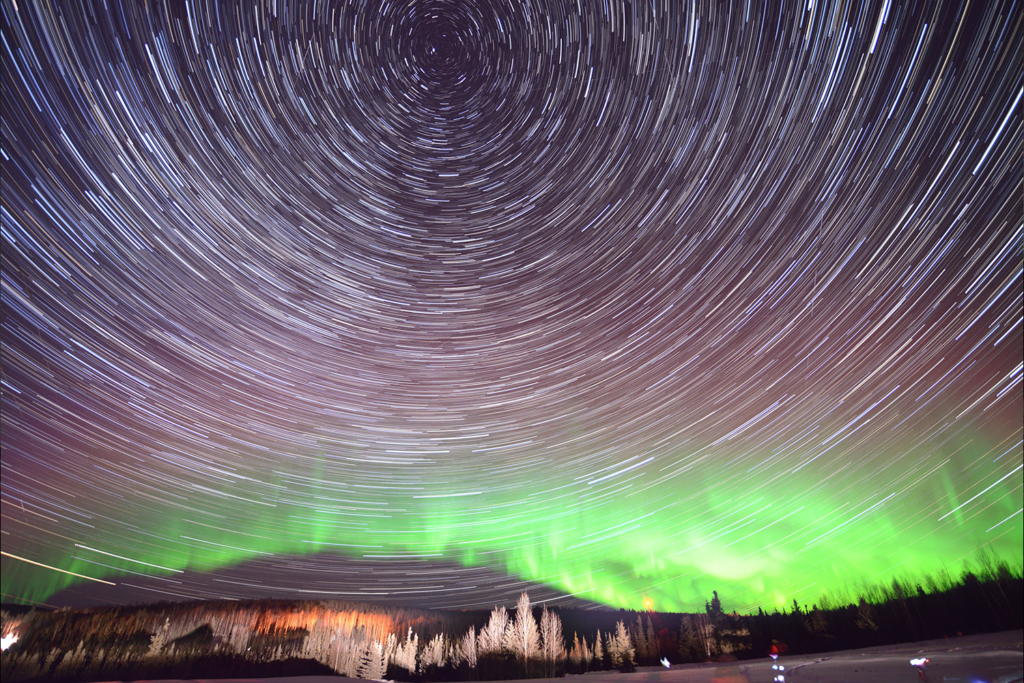
Why This Could Be the Show of 2026
Auroras happen every year, especially near the poles. But certain nights stand out.
Experienced aurora watchers say tonight feels different—and not because of hype. It’s because of data.
What Makes This Night Special
- Solar activity is near yearly highs
- Magnetic conditions favor rapid auroral expansion
- Multiple forecast models agree on heightened risk
- Timing aligns perfectly with darkness across North America
- Moonlight and weather conditions may cooperate
Even during solar maximum, nights like this are rare. When everything lines up, auroras don’t just appear—they dominate the sky.
What Is an Aurora, Explained Without the Jargon
An aurora—commonly called the Northern Lights—is a natural light display caused by interactions between the Sun and Earth.
Here’s the simple explanation:
- The Sun releases charged particles
- Those particles travel toward Earth
- Earth’s magnetic field redirects them
- They collide with gases high in the atmosphere
- Energy is released as light
Different gases and altitudes create different colors, but the process itself is beautifully consistent.
Why Auroras Don’t Always Stay in the Arctic
Most auroras appear near the Arctic Circle because Earth’s magnetic field funnels solar particles toward the poles.
But during strong geomagnetic storms, Earth’s magnetic shield temporarily stretches and weakens. When that happens:
- The auroral zone expands
- Auroras move farther south
- Millions more people can see them
This is why auroras have appeared in recent years in places like Texas, Alabama, Missouri, Ohio, and California.
Tonight’s conditions suggest a similar expansion may occur.
Where Could the Aurora Be Visible Tonight?
This is the question dominating searches and group chats.
Based on current forecasts and past events, auroras may be visible in:
- Alaska (very bright and active)
- Northern Canada
- The Upper Midwest (Minnesota, Wisconsin, Michigan)
- The Pacific Northwest
- The Northeast U.S.
- Parts of the central U.S. during peak intensity
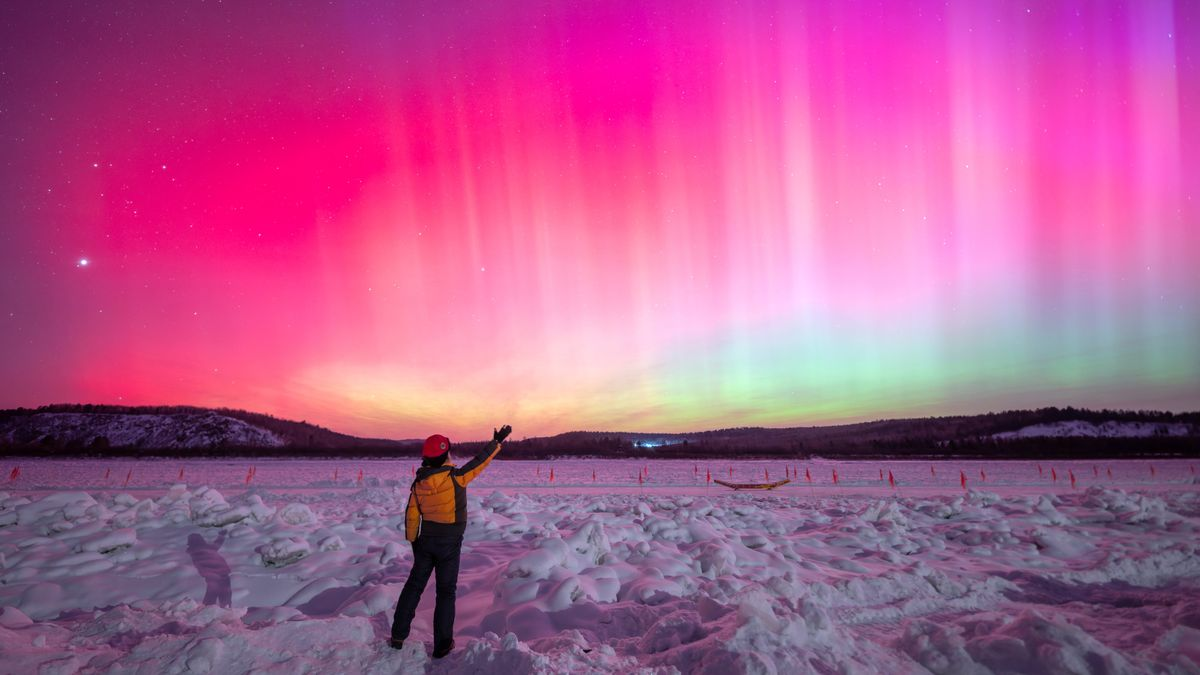
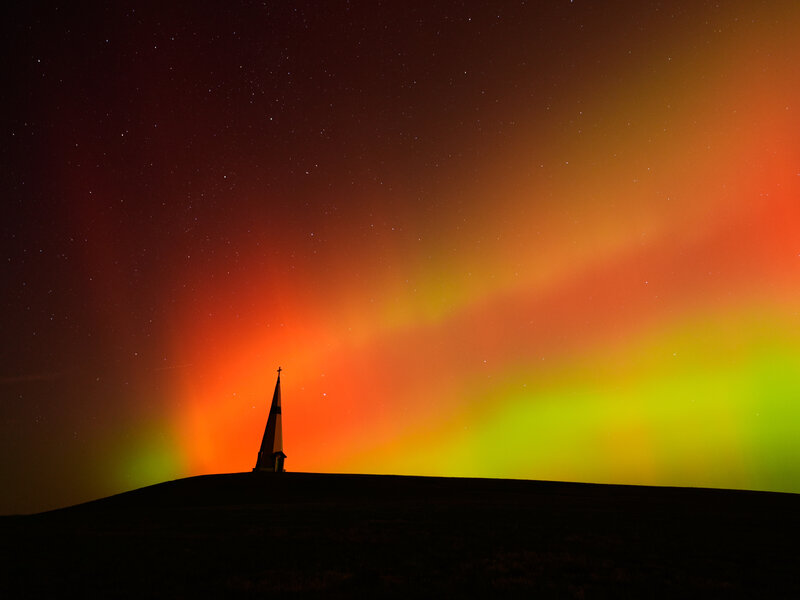
In southern areas, auroras often appear as red or pink glows near the horizon rather than bright green curtains.
Real-Life Examples: Nights Aurora Hunters Still Talk About
Aurora hunters remember certain nights forever.
In May 2024, a strong geomagnetic storm caught many Americans off guard. Residents in Texas and Alabama photographed red skies, initially mistaking them for city light reflections. Scientists later confirmed auroras had reached deep into the South.
In 2003, the legendary “Halloween Solar Storms” produced auroras across much of the continental U.S. and disrupted satellites and radio communications.
Those nights are now benchmarks. Tonight, many hunters feel the same electricity in the air.
Why Aurora Hunters Trust the Data—But Still Feel the Nerves
Aurora hunting is a mix of science and emotion.
Dedicated hunters monitor:
- Solar wind speed
- Magnetic field orientation (Bz)
- Kp and G-scale indices
- Cloud cover and moon phase
But even with perfect data, uncertainty remains. Auroras can explode suddenly—or fizzle out just as fast. That unpredictability is what keeps hunters awake, refreshing charts at 2 a.m.
What Colors Could Appear Tonight?
Aurora color depends on energy level and altitude.
Likely Aurora Colors Tonight
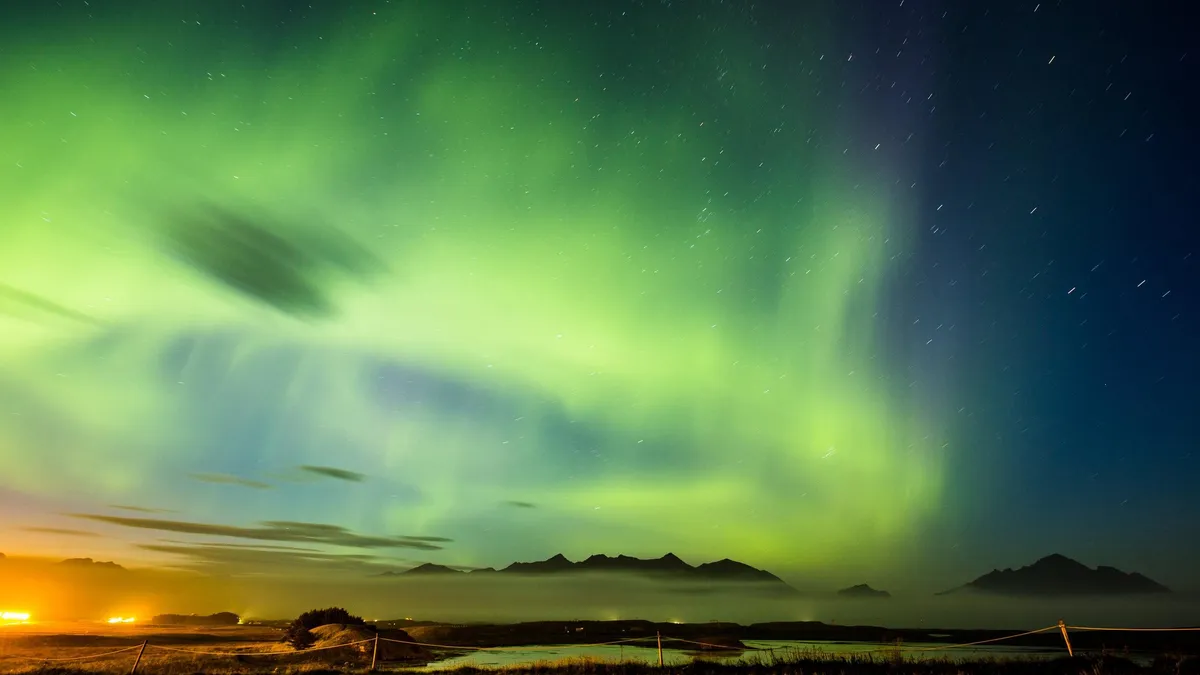
- Green – the most common, bright during strong storms
- Red – higher altitude, common farther south
- Purple or blue – edges of intense auroras
During strong activity, colors can shift rapidly, creating dramatic transitions across the sky.
Will You Be Able to See It With Your Eyes?
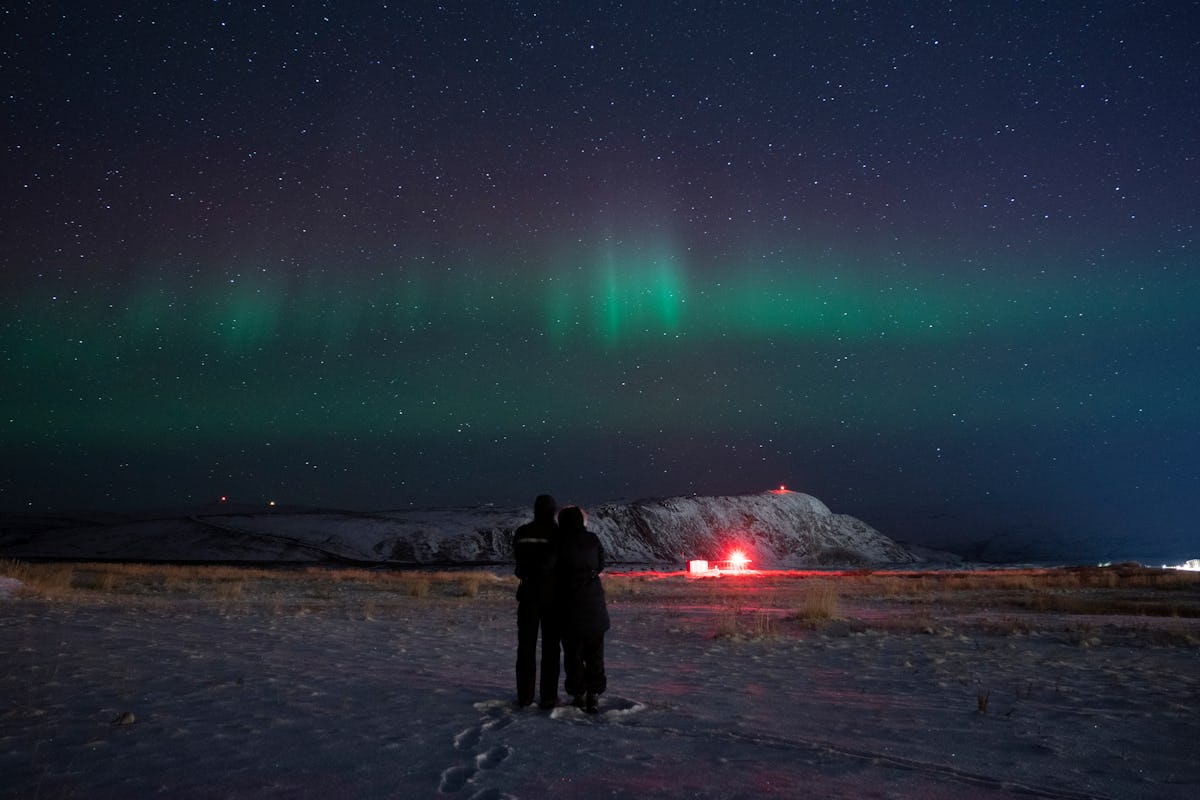
In dark locations, yes—auroras can be clearly visible.
In suburban or urban areas, they may look faint or colorless at first. This is where cameras help.
Modern smartphones with night mode can reveal colors and structures invisible to the naked eye. Many people only realize they saw an aurora after checking their photos.
Is It Safe to Stay Up for an Aurora?
Absolutely.
Auroras are completely harmless to people on the ground. The solar storms that cause them happen far above Earth’s surface.
The only real risks are:
- Losing sleep
- Becoming addicted to aurora watching
Technology systems are monitored closely, but there is no danger to individuals stepping outside to watch the sky.
How Scientists Are Watching Tonight Unfold
Tonight’s event is being tracked in real time.
Scientists are using:
- Solar observation satellites
- Ground-based magnetometers
- Upper-atmosphere sensors
- Reports and images from citizen scientists
Every confirmed aurora sighting helps refine future forecasts, making nights like this valuable for research.
How to Maximize Your Chances Tonight
You don’t need expensive gear—but preparation matters.
Practical Aurora-Hunting Tips
- Check NOAA space-weather updates often
- Step outside after sunset and again after midnight
- Look north first, then scan the entire sky
- Get away from city lights if possible
- Use phone night mode or long exposure
- Be patient—auroras come in waves
Some of the best displays last only minutes, then return unexpectedly.
Why 2026 Is a Big Year for Auroras
The Sun follows an 11-year solar cycle, and 2026 sits near solar maximum—the most active phase.
During solar maximum:
- Strong auroras become more common
- Southern sightings increase
- Extreme events are more likely
That’s why experts believe 2026 could deliver multiple unforgettable aurora nights, with tonight possibly leading the list.
Why Aurora Nights Feel So Emotional
Auroras aren’t just science—they’re shared experiences.
Parents wake children. Neighbors text each other. Strangers exchange photos online. For a few moments, people stop scrolling and look up.
That emotional pull is why aurora hunters can’t sleep. They don’t want to miss a moment that connects them—to nature, to science, and to each other.
Key Takeaways
- Space-weather conditions favor strong auroras tonight
- Aurora hunters believe this could be the show of 2026
- Auroras may be visible far into the U.S.
- The event is safe and awe-inspiring
- Preparation greatly increases your chances
Frequently Asked Questions (10 Trending FAQs)
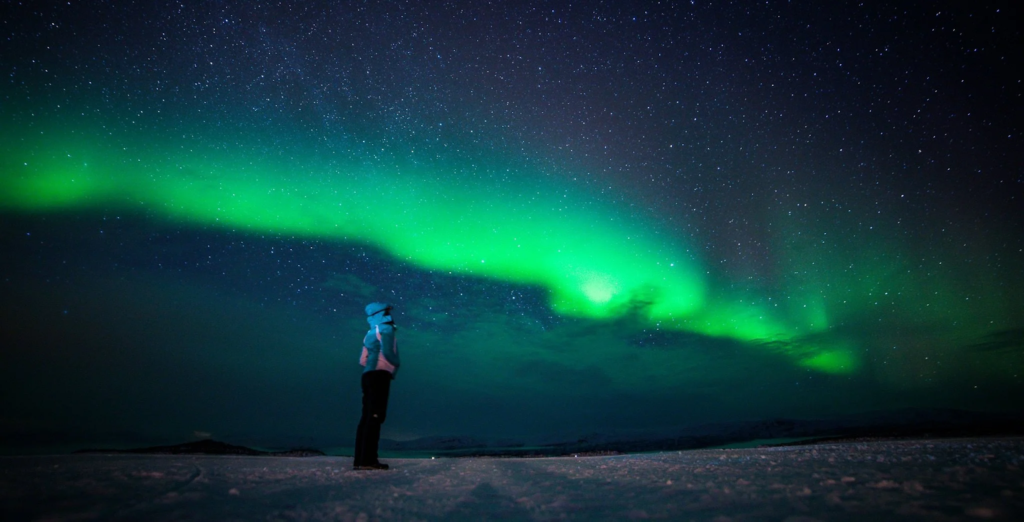
1. Why is tonight special for auroras?
Because solar and magnetic conditions are aligning unusually well.
2. Can auroras really be seen in the U.S.?
Yes, during strong geomagnetic storms.
3. What time should I look?
After sunset through early morning, especially around midnight.
4. Will auroras be green or red?
Green in the north, red farther south.
5. Do I need special equipment?
No, but smartphone cameras help a lot.
6. Are auroras dangerous?
No, they are harmless to people.
7. Why do aurora hunters stay up all night?
Displays can appear suddenly and briefly.
8. Can clouds block auroras?
Yes, clear skies are essential.
9. Is this related to climate change?
No, auroras are driven by solar activity.
10. Where can I track updates tonight?
NOAA’s Space Weather Prediction Center.