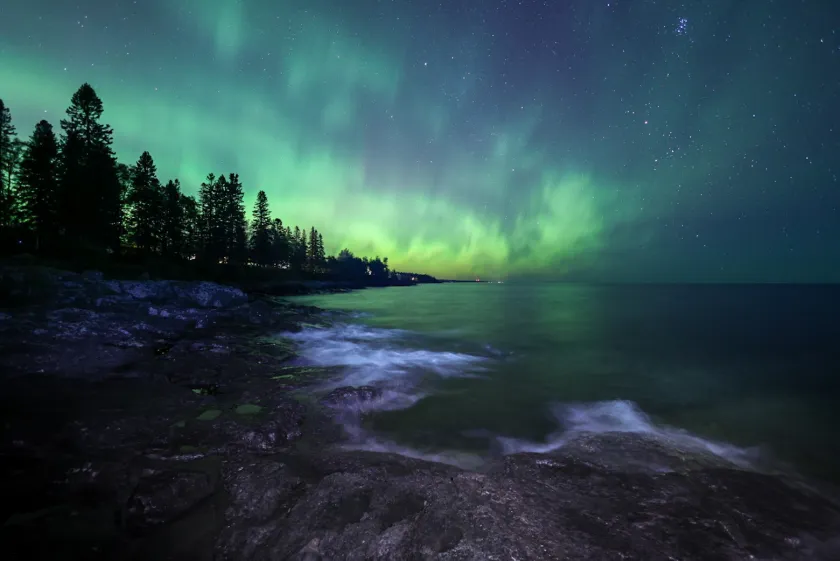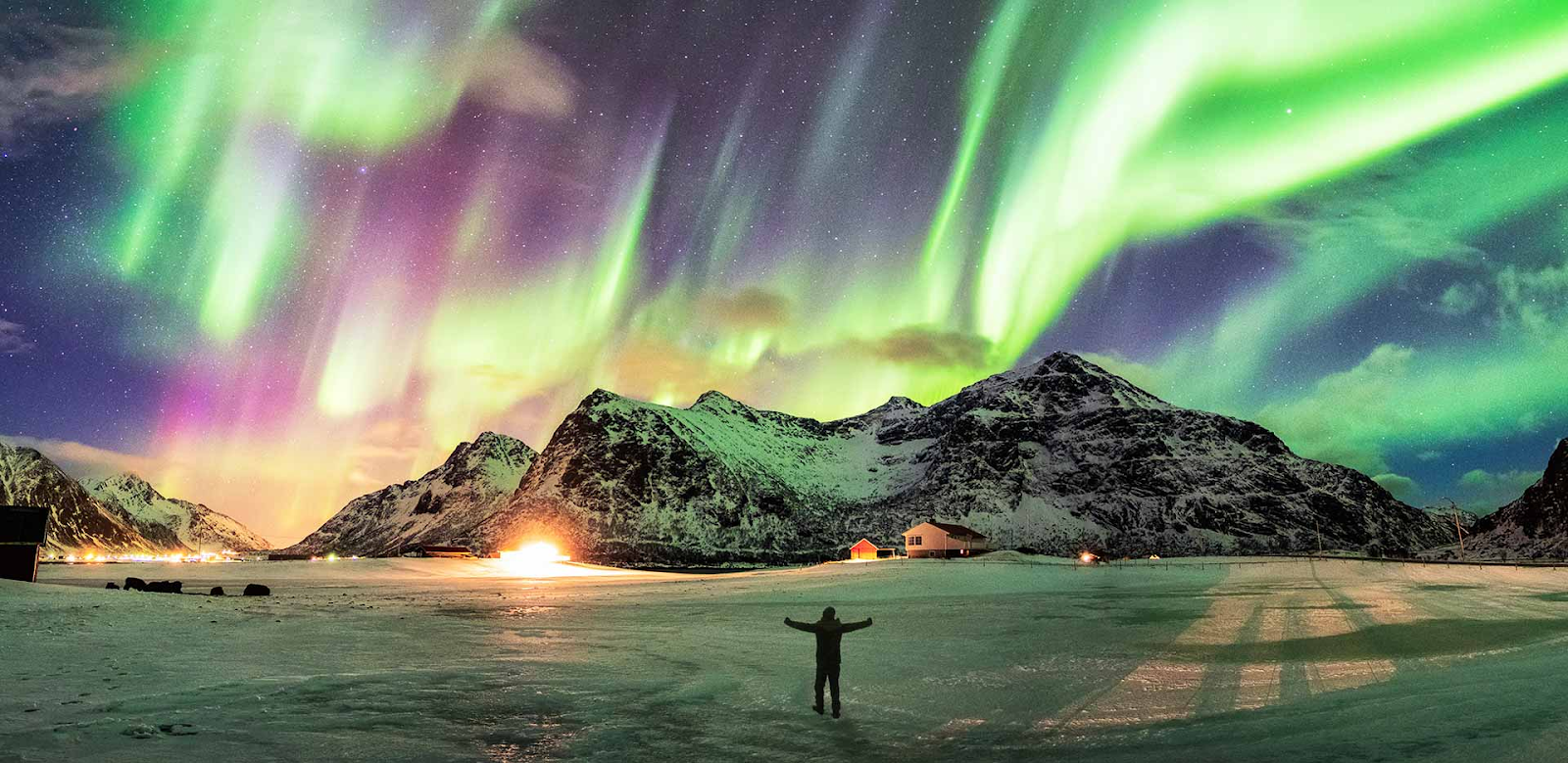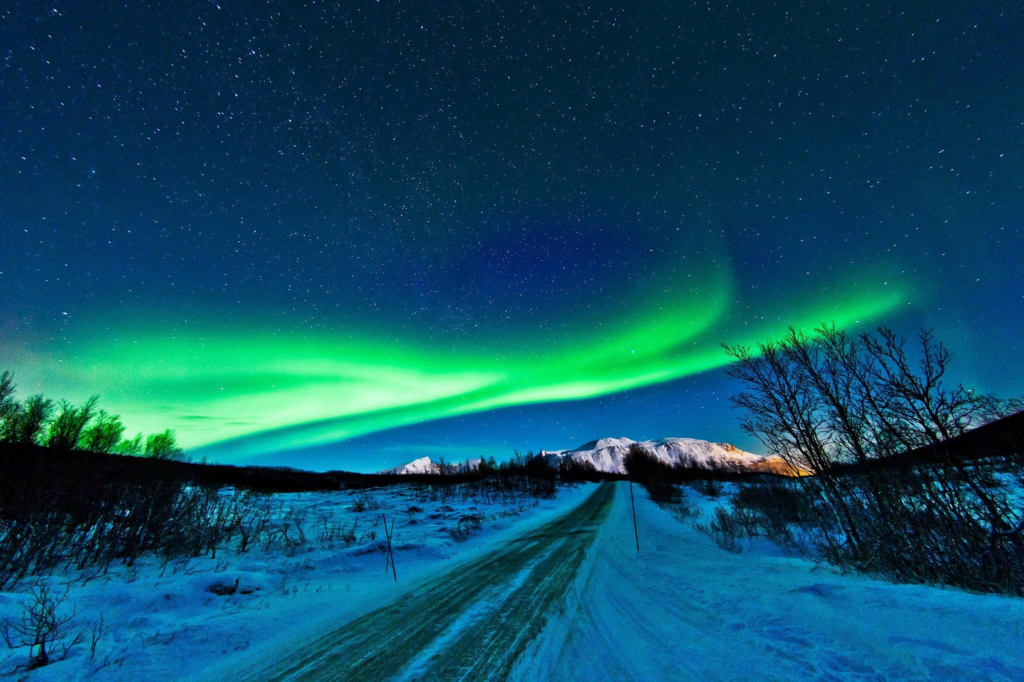
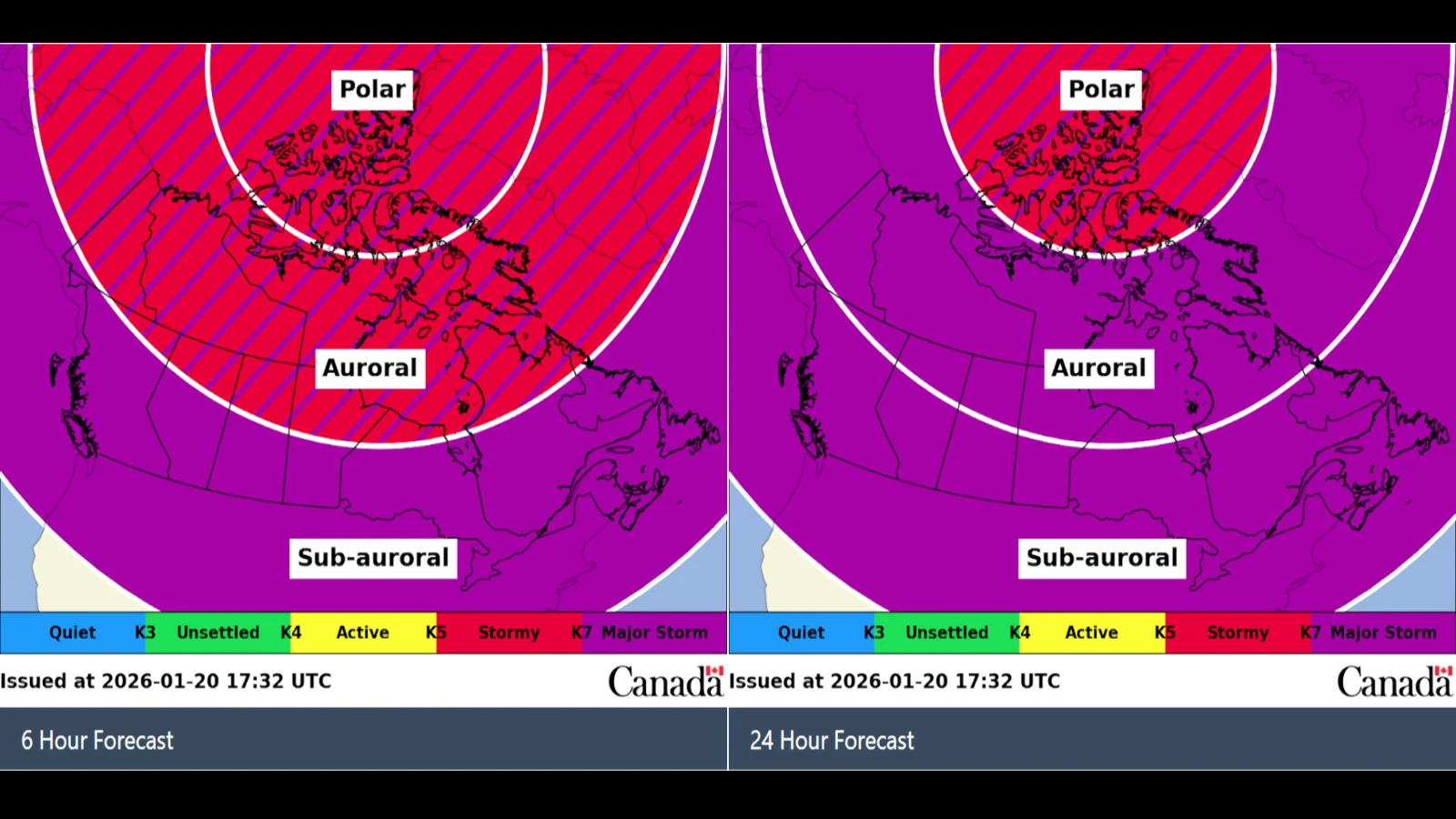
Aurora alerts are once again lighting up the United States, with northern lights potentially visible in multiple states tonight due to heightened solar activity. As Solar Cycle 25 intensifies, geomagnetic storms are pushing auroras farther south than usual. This in-depth guide explains which states have the highest chances, why green skies are appearing across America, and how you can spot the aurora tonight.
Introduction: Why Americans Are Suddenly Talking About Aurora Alerts
Not long ago, aurora alerts were something only scientists, professional photographers, and Alaskan tour operators paid attention to. Today, they are trending notifications on weather apps, breaking news headlines, and viral social media posts across the United States.
Americans are now asking questions that would have sounded absurd just a decade ago:
- Can I see the northern lights tonight from my state?
- Why does my weather app mention auroras?
- Is the sky really going to turn green?
These questions aren’t driven by hype alone. They’re driven by experience.
Over the past few years—and accelerating rapidly through 2024, 2025, and now—millions of Americans have witnessed auroras without ever leaving the continental U.S. Some planned for it. Many stumbled upon it by accident. Almost all were stunned.
Tonight’s aurora alerts are part of a much bigger story—one that connects solar storms, Earth’s magnetic field, and a rare window in space weather history.
What Is an Aurora Alert, in Simple Terms?
An aurora alert is a notification that conditions are favorable for seeing the northern lights outside their usual polar regions.
These alerts are issued based on real-time monitoring by trusted institutions, including:
- NOAA Space Weather Prediction Center
- NASA’s Solar Dynamics Observatory
- International geomagnetic observatories
An alert typically means:
- Solar particles are impacting Earth’s magnetic field
- A geomagnetic storm is underway or imminent
- The auroral oval may expand southward
For everyday Americans, an aurora alert is a signal—not a guarantee—that tonight’s sky may do something extraordinary.
Why Are Aurora Alerts Becoming More Frequent in the U.S.?
The surge in aurora alerts is tied directly to Solar Cycle 25, the current phase of the Sun’s 11-year activity cycle.
According to NASA and NOAA:
- Solar Cycle 25 is stronger than initially predicted
- Sunspot numbers are unusually high
- Earth-directed solar flares and coronal mass ejections (CMEs) are occurring more often
When these energetic events reach Earth, they disturb our planet’s magnetic field. That disturbance allows auroras to form at lower latitudes than normal—sometimes dramatically lower.
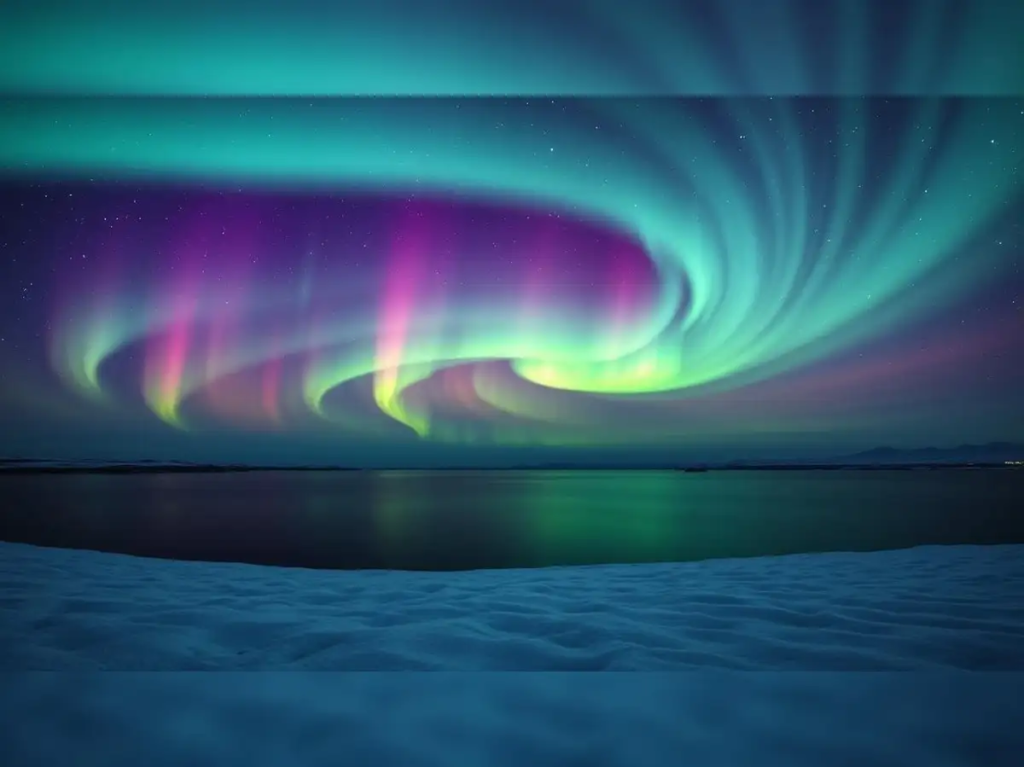
In short, the Sun is unusually active, and Earth is feeling it.
Which States Might See Green Skies Tonight?
Aurora visibility depends on latitude, darkness, weather, and the strength of the geomagnetic storm. While no forecast is perfect, historical data and recent alerts show clear patterns.
States With the Highest Aurora Probability
These states consistently fall within aurora alert zones during moderate geomagnetic storms.
Upper Midwest and Northern Plains
- Minnesota
- Michigan (especially the Upper Peninsula)
- North Dakota
- Wisconsin
These regions benefit from northern latitude, low light pollution, and favorable geomagnetic positioning.
Real-life example:
In northern Minnesota, residents near the Boundary Waters report auroras so often during winter that many treat them like weather events—stepping outside “just to check” when alerts pop up.
States With Strong Chances During Active Storms
These states often see auroras when the Kp index reaches 6 or higher.
- Montana
- Idaho
- Wyoming
- Washington (especially eastern regions)
- Maine
Real-life example:
In rural Montana, ranchers have described auroras bright enough to cast faint shadows on open fields—an experience typically associated with far-northern regions.
States That See Surprise Auroras
During stronger storms, auroras can dip into these states, usually low on the northern horizon.
- Iowa
- South Dakota
- Nebraska
- Illinois
- New York
- Vermont
- New Hampshire
In these areas, auroras are often:
- Short-lived
- Subtle to the naked eye
- More visible through phone cameras
But when they appear, they tend to generate widespread excitement.
Rare but Documented States During Extreme Events
During severe geomagnetic storms (G4–G5), auroras have been confirmed as far south as:
- Texas
- Oklahoma
- Arkansas
- Alabama
- Georgia
- Arizona
- California
Real-life example:
During a historic storm last year, residents across Texas reported red and pink glows mistaken for distant wildfires—until scientists confirmed they were auroras.
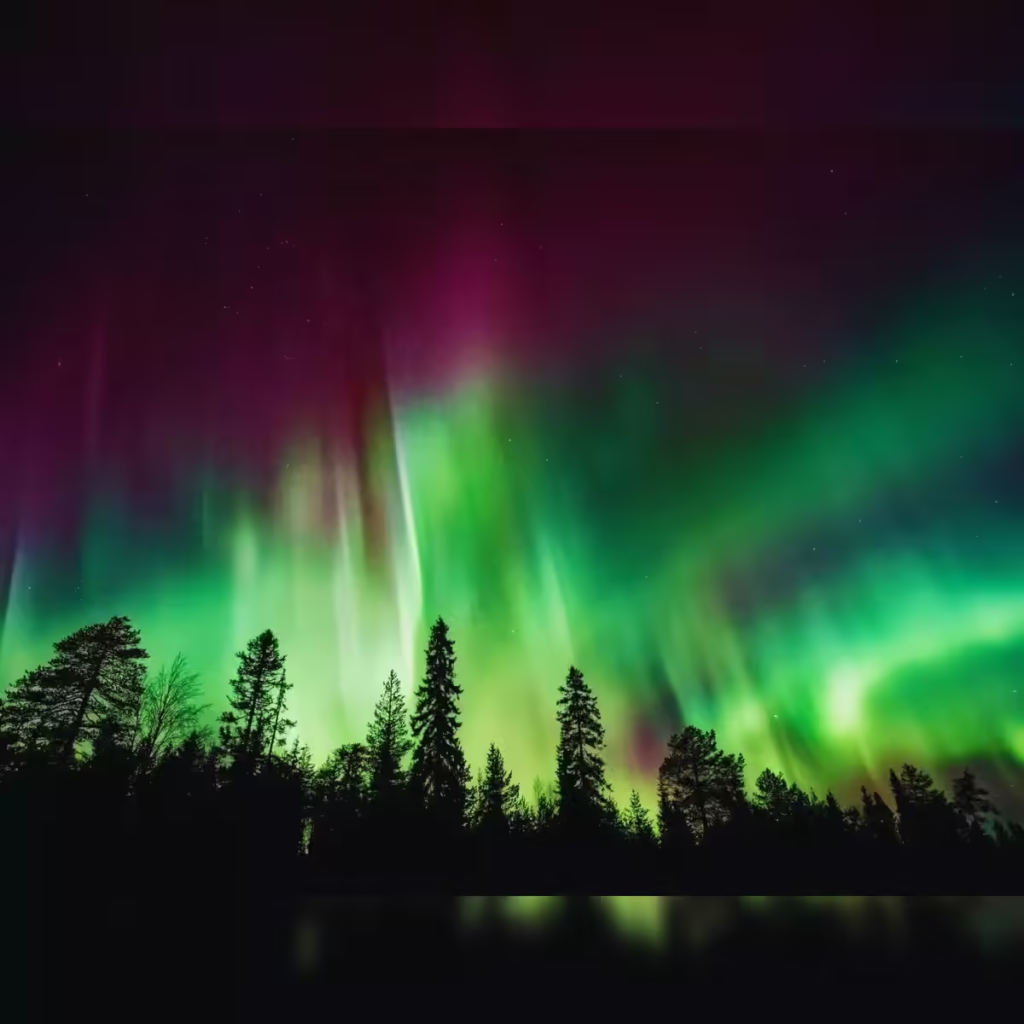
Why Are Auroras Usually Green?
The classic green aurora is the most recognizable, but it’s not the only color Americans may see.
Aurora colors depend on:
- The type of gas in Earth’s atmosphere
- The altitude of the interaction
- The energy of incoming solar particles
Common Aurora Colors Explained Simply
- Green: Oxygen at lower altitudes (most common)
- Red: Oxygen at higher altitudes (common in southern states)
- Purple/Blue: Nitrogen interactions
- Pink: Mixed emissions during strong storms
Southern U.S. auroras often appear red or pink because they occur higher in the atmosphere, where oxygen emits red light.
What Time Should You Look for Auroras Tonight?
Auroras are unpredictable, but patterns exist.
Best viewing window:
- Between 10:00 PM and 2:00 AM local time
Auroras often peak near local midnight, but strong storms can trigger displays earlier in the evening or closer to dawn.
If skies are clear, it’s worth checking multiple times throughout the night.
Why Some People Will See Auroras—and Others Won’t
Even within the same city, aurora visibility can vary dramatically.
Factors That Help Visibility
- Dark skies
- Clear weather
- Open northern horizons
- Minimal moonlight
Factors That Reduce Visibility
- Light pollution
- Cloud cover
- Trees or buildings blocking the view
- Expecting very bright colors immediately
Many auroras begin faintly and intensify over time, which is why patience matters.
How Americans Are Accidentally Seeing Auroras
One of the most fascinating trends is how often auroras are discovered unexpectedly.
Real-life situations reported across the U.S.
- Late-night dog walks
- Driving on rural highways
- Power outages that reduce city lighting
- Camping trips unrelated to astronomy
In many cases, people only realized what they had seen after checking the news the next morning.
How to Tell If What You’re Seeing Is Really an Aurora
If the sky looks unusual, ask yourself:
- Does the glow slowly move or ripple?
- Is it strongest toward the north?
- Does it appear greener or redder through your phone camera?
- Does it change shape over several minutes?
Auroras are dynamic. Clouds, haze, and city glow are not.
Simple Ways to Improve Your Chances Tonight
You don’t need professional equipment or scientific training.
Practical steps:
- Step outside for at least 10–15 minutes
- Let your eyes adjust to darkness
- Face north
- Turn off nearby lights
- Use your phone’s night mode to detect faint colors
Many Americans see their first aurora through a smartphone camera before spotting it with their eyes.
Are Aurora Alerts the New Normal?
Partially, yes.
According to NASA and NOAA:
- Solar Cycle 25 remains active through 2026
- Elevated geomagnetic activity is expected to continue
- Auroras will appear farther south more often than in the previous decade
This doesn’t mean auroras will be visible everywhere every night—but it does mean Americans have more opportunities than ever before.
What Aurora Alerts Mean for Travel and Tourism
States are beginning to adapt.
Tourism boards in places like:
- Minnesota
- Michigan
- North Dakota
- Maine
are increasingly promoting aurora viewing as a winter and fall attraction, something once reserved for Alaska.
This shift is changing how Americans think about night-sky travel.
Frequently Asked Questions (10 Trending FAQs)
1. What states can see the northern lights tonight?
Commonly affected states include Minnesota, Michigan, North Dakota, Montana, Wisconsin, and Maine during aurora alerts.
2. Can I see auroras without special equipment?
Yes. Many auroras are visible to the naked eye, though cameras enhance colors.
3. What is the Kp index?
A scale from 0 to 9 measuring geomagnetic activity. Higher numbers mean better aurora chances.
4. Are auroras dangerous?
No. Auroras pose no health risk to humans.
5. Why do auroras sometimes look red?
Red auroras occur at higher altitudes during strong solar storms.
6. What time are auroras most visible?
Typically between 10 PM and 2 AM local time.
7. Can city residents see auroras?
Sometimes, but light pollution reduces visibility significantly.
8. Do auroras appear year-round?
Yes, but longer nights in fall and winter make them easier to see.
9. How accurate are aurora alerts?
They are generally reliable within 24–72 hours.
10. Will auroras reach southern states again?
Yes, during strong or severe geomagnetic storms.
Final Thoughts: Tonight Might Be One of Those Nights
Aurora alerts are no longer distant scientific curiosities—they’re real-time invitations to step outside and look up.
Whether you live in the Upper Midwest, the Northeast, or even farther south, tonight’s sky carries the possibility of something unforgettable. The northern lights don’t announce themselves with certainty, but when they appear, they remind us that space weather is part of everyday life on Earth.
Sometimes, the most extraordinary experiences begin with a simple glance upward.