Real-time Northern Lights footage reveals a side of the aurora most people never expect—slow movement, subtle color shifts, and an almost calming rhythm that photos can’t capture. As live streams and viewer videos surge in popularity, Americans are discovering what the aurora actually looks like moment by moment, why it feels so emotional, and how to watch it live themselves.
Why Are So Many People Searching for “Real-Time Northern Lights” Right Now?
If you’ve ever seen a Northern Lights photo and wondered, “Is that really what it looks like in real life?”, you’re not alone.
Across the United States, searches for phrases like “Northern Lights real time,” “aurora borealis live footage,” and “what do the Northern Lights really look like” have surged. People aren’t just chasing beauty—they’re chasing authenticity.
For years, the aurora has been represented through long-exposure photography and time-lapse videos. While visually stunning, those formats often exaggerate brightness and color. Real-time footage tells a different story—one that feels more honest, more human, and, surprisingly, more powerful.
People want to know the truth before they plan a trip, stay up late, or invest time and money chasing the lights.
What Do the Northern Lights Actually Look Like in Real Time?
In real time, the Northern Lights are not a static spectacle.
They are alive.
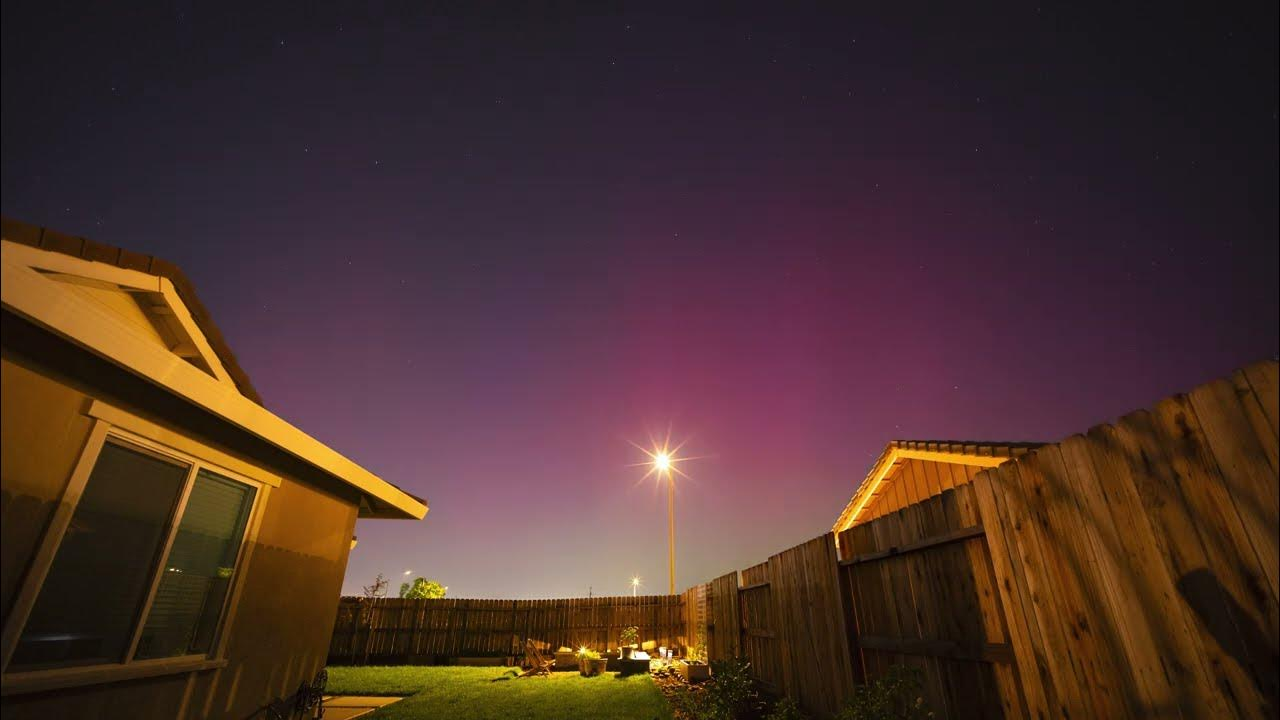
Instead of instant fireworks, auroras usually appear as a faint glow that slowly evolves. Many first-time viewers miss them initially because they expect something dramatic right away. Then the glow shifts. It stretches. It begins to ripple.
In real-time viewing, auroras often appear as:
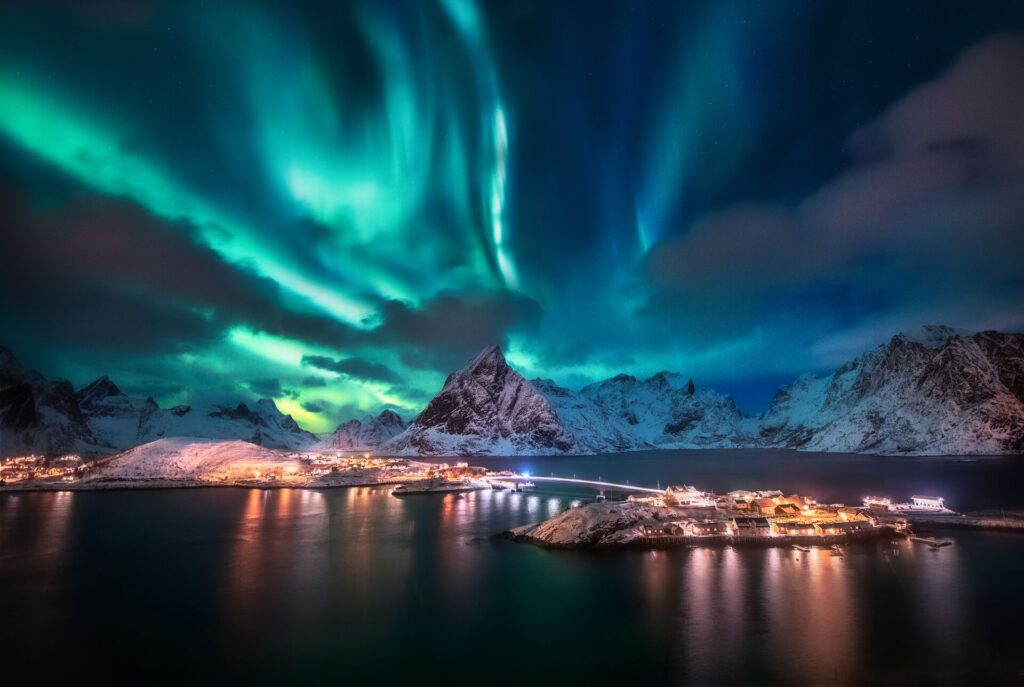
- Soft, flowing curtains of light
- Slow-moving waves drifting across the sky
- Faint green or whitish bands that gradually intensify
- Sudden pulses where motion increases rapidly
Unlike photos, which freeze color, real-time footage highlights movement, which is the aurora’s most mesmerizing quality.
Why Real-Time Aurora Footage Feels So Different From Photos
Photos show the aurora as a finished product.
Real-time footage shows the process.
When you watch unedited clips or live streams, you notice things photos can’t convey:
- The quiet buildup before activity peaks
- The way light responds to invisible solar energy
- How patterns form, dissolve, and reappear
- The natural pacing—sometimes slow, sometimes sudden
Many viewers say real-time footage finally made them understand why people describe the aurora as “dancing” or “breathing.”
What Viewers Say When They See the Aurora Live
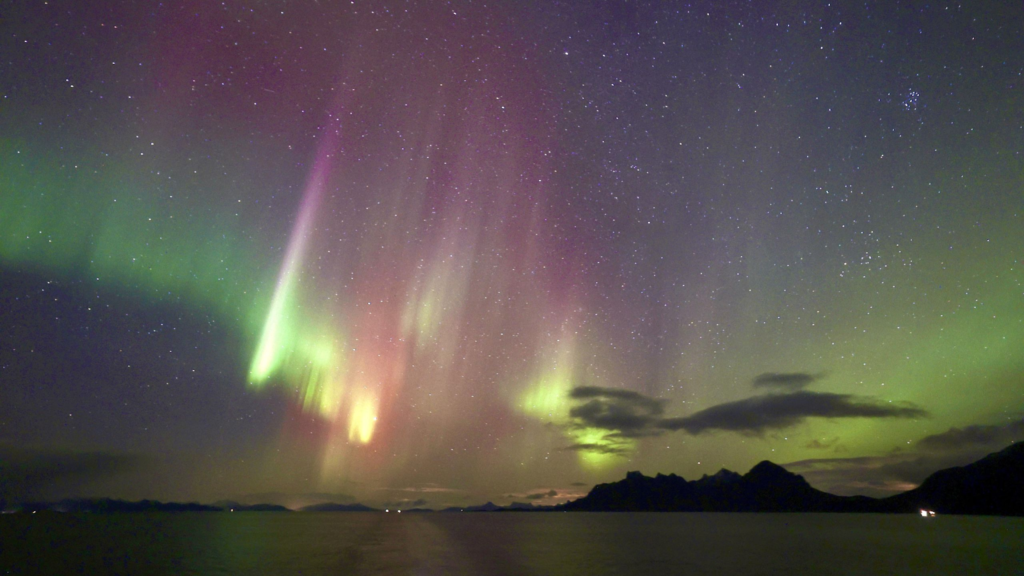
Across live streams from Alaska, Iceland, and northern Canada, viewer reactions are remarkably consistent.
Common comments include:
- “I didn’t know it moved like that.”
- “This is way calmer than I expected.”
- “It’s not super bright, but it feels intense.”
- “I could watch this for hours.”
Some viewers describe feeling relaxed. Others feel emotional. Many say they stop multitasking and just watch.
That reaction alone sets real-time aurora footage apart from most online content.
How Real-Time Footage Shows the Aurora’s True Personality
One of the biggest myths about the Northern Lights is that they’re always dramatic and explosive.
Real-time footage shows the full reality:
- Long quiet periods with minimal activity
- Gentle motion that requires patience
- Short bursts of rapid movement
- Constant variation—no two minutes look the same
This unpredictability is what makes watching live footage so compelling. You never know what the next moment will bring.
What’s Actually Happening in the Sky During These Live Displays?
The science behind the aurora is well understood, and knowing it enhances appreciation.
According to NASA and NOAA:
- The Sun releases charged particles during solar activity
- These particles travel toward Earth
- Earth’s magnetic field directs them toward the poles
- They collide with gases in the upper atmosphere
- Energy is released as light
Different colors come from different interactions:
- Green: oxygen at lower altitudes (most common)
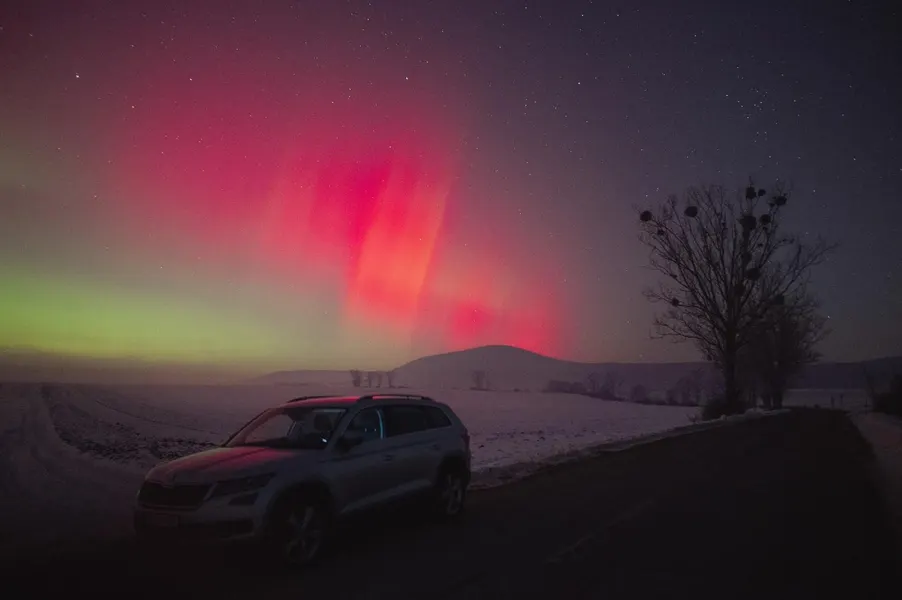
- Red: oxygen at higher altitudes (rarer, dramatic)
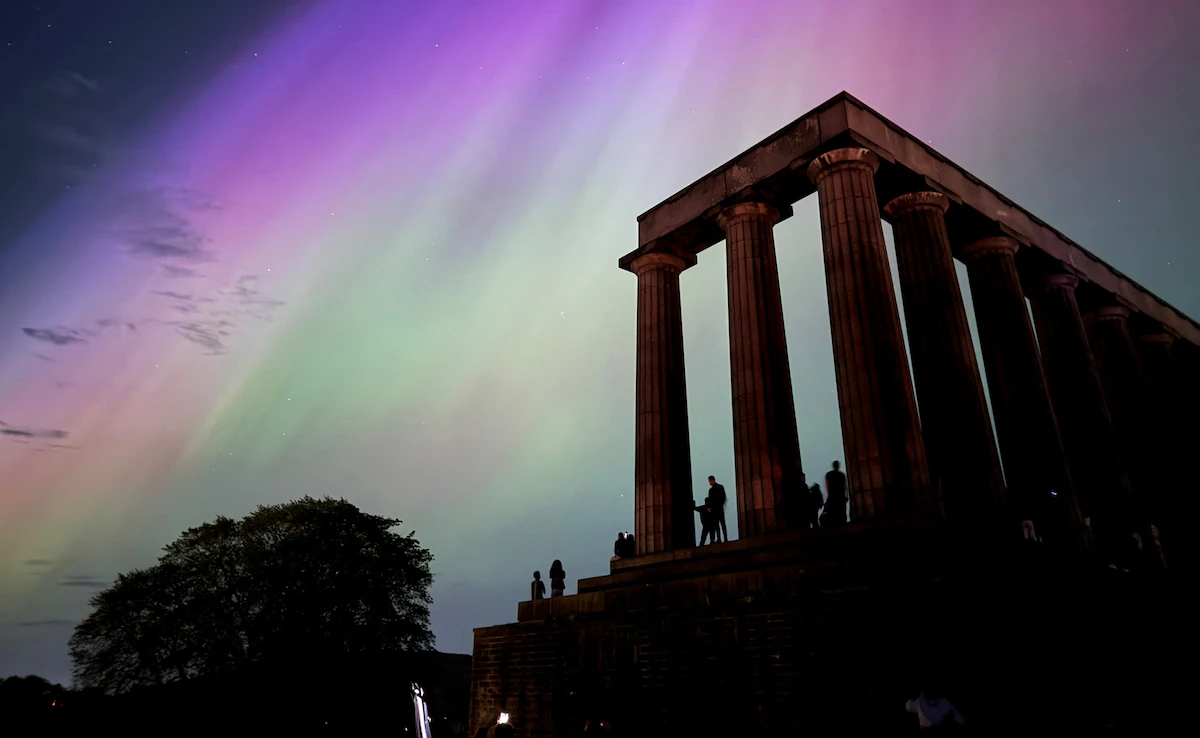
- Purple/blue: nitrogen
Real-time footage often captures these colors emerging gradually rather than appearing all at once.
Why We’re Seeing So Much Aurora Footage Lately
There’s a clear reason real-time aurora videos are trending now.
We are approaching solar maximum, the most active phase of the Sun’s approximately 11-year cycle. During this period:
- Solar flares increase
- Geomagnetic storms become more frequent
- Auroras appear more often and sometimes farther south
NASA has confirmed that solar activity is climbing toward a peak expected around 2025–2026. That means more opportunities for auroras—and more people recording them in real time.
How Live Aurora Cameras Changed Everything
In the past, seeing the aurora required travel.
Now, live cameras allow anyone with an internet connection to watch auroras as they happen from:
- Alaska
- Northern Canada
- Iceland
- Norway
- Finland
These cameras don’t enhance color or speed. They simply observe.
Live aurora cams allow viewers to:
- Learn what auroras really look like
- Understand how long they take to develop
- See quiet nights versus active storms
- Feel connected to remote places
For many, watching live footage becomes the spark that inspires a future trip.
Real-Time Aurora vs. Time-Lapse: Why Both Matter
Both formats have value—but they serve different purposes.
Real-time footage shows:
- Natural movement
- True pacing
- Honest brightness levels
- Emotional realism
Time-lapse videos show:
- Dramatic transformations
- Long-term patterns
- Visual intensity
If you want to know what it feels like to stand under the aurora, real-time footage is the closer match.
Common Misunderstandings Real-Time Footage Clears Up
Watching auroras live corrects many expectations.
Misconceptions include:
- “Auroras are always bright” → often they’re subtle
- “They instantly fill the sky” → they usually build slowly
- “Photos exaggerate everything” → movement matters more
- “You’ll see it immediately” → patience is essential
Understanding this prevents disappointment and deepens appreciation.
Can You Really See the Aurora Like This With Your Own Eyes?
Yes—but the experience depends on conditions.
In real life:
- Colors may appear softer than in photos
- Motion is more noticeable than brightness
- Darkness and silence amplify the effect
Many first-time viewers say the aurora feels closer and larger than expected.
How to Watch the Northern Lights in Real Time Yourself
You don’t need special equipment to watch auroras live online.
Best ways to watch:
- Live aurora webcams in high-latitude regions
- Space-weather-linked live streams
- Community astronomy channels
What to look for:
- Minimal filters
- Stable, wide-angle views
- Clear weather indicators
Avoid streams that overly boost saturation if you want realism.
Can You Capture Real-Time Aurora Footage Yourself?
Yes—and thousands of viewers already do.
Basic tips:
- Use a tripod or stable surface
- Avoid zooming excessively
- Let your camera adjust to darkness
- Record longer clips instead of short bursts
Modern smartphones with night video modes can capture surprisingly accurate real-time aurora footage.
Why Americans Are Drawn to Real-Time Auroras Right Now
Several trends explain the surge in interest:
- Increased solar activity
- Viral aurora clips on social media
- Growing stress and desire for calming visuals
- Renewed interest in astronomy and space weather
Auroras combine science, beauty, and emotion in a way few natural phenomena do.
Frequently Asked Questions (Trending U.S. Searches)
1. What do the Northern Lights really look like in real time?
They appear as slow-moving, flowing light patterns rather than bright, static colors.
2. Do auroras look the same to the eye as on camera?
Cameras often show stronger colors, while eyes notice movement and scale.
3. Are real-time aurora videos edited?
Many are unedited, especially live streams and raw viewer footage.
4. Why do auroras move instead of staying still?
They respond dynamically to charged particles interacting with Earth’s atmosphere.
5. Can you see auroras without special equipment?
Yes, under dark skies during strong solar activity.
6. Why are auroras more visible now?
We are nearing solar maximum, increasing geomagnetic activity.
7. Are auroras dangerous to watch?
No. Auroras are harmless to observers on the ground.
8. Why do some auroras look faint?
Lower solar activity, moonlight, or light pollution can reduce visibility.
9. Can auroras be seen in the continental U.S.?
Occasionally, during strong geomagnetic storms, especially in northern states.
10. Is watching real-time aurora footage relaxing?
Many people find it calming due to slow movement and quiet visuals.
Final Thoughts: Why Real-Time Changes Everything
Photos impress.
Time-lapses amaze.
But real-time aurora footage connects.
It shows the Northern Lights as they truly are—patient, unpredictable, and alive. Watching them unfold moment by moment reminds us that beauty doesn’t have to be loud or instant to be powerful.
Sometimes, the most stunning experiences happen slowly—right above us.
–xxx–
Video Link-https://www.youtube.com/watch?v=FbM1n6zLxbQ