A powerful space weather event driven by intense solar activity could soon light up skies across the entire northern United States. Scientists warn that a strong geomagnetic storm may push the Northern Lights far south, offering millions of Americans a rare chance to witness vivid auroras. Experts explain why this event matters, how it works, and what everyday skywatchers should expect.
A Rare Space Weather Moment That Has Scientists Watching Closely
Most days, space weather unfolds silently and invisibly above our heads. Solar particles stream past Earth, the planet’s magnetic field quietly deflects them, and life continues without interruption. But occasionally, a single event breaks through that invisibility and makes itself known in spectacular fashion.
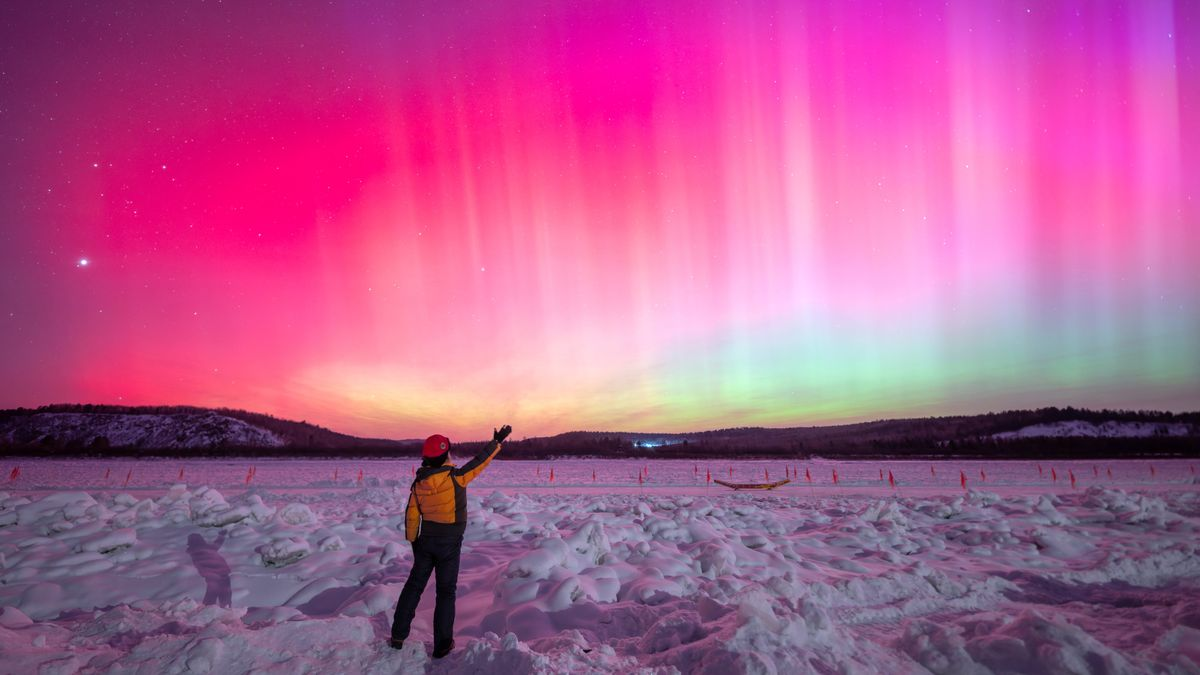
Scientists now believe one major space weather event could be strong enough to illuminate skies across nearly the entire northern United States. That means millions of people—many of whom have never seen the Northern Lights—could witness glowing green, pink, and red colors overhead.
This isn’t hype or speculation. It’s the result of real solar observations, historical storm patterns, and current space-weather modeling. When experts begin discussing widespread auroral visibility, it signals that something unusual is unfolding on a cosmic scale.
What Exactly Is This Space Weather Event?
At the heart of this phenomenon is a geomagnetic storm, triggered by a powerful burst of energy from the Sun.
The Sun constantly releases charged particles in a stream known as the solar wind. Under normal conditions, Earth’s magnetic field deflects most of this energy with little visible effect. However, when the Sun releases a concentrated eruption—called a coronal mass ejection (CME)—the consequences can be dramatic.
This event involves:
- A CME launched directly toward Earth
- High-speed solar wind compressing Earth’s magnetosphere
- Magnetic alignment that allows energy to penetrate deeply
When those factors align, Earth’s magnetic field becomes energized, and that energy is released in the form of auroras.
Why This One Event Could Light Up the Entire Northern U.S.
Under normal circumstances, auroras stay close to the Arctic Circle. But strong geomagnetic storms stretch the auroral oval—the region where auroras form—farther south.
During powerful storms, that oval can expand thousands of miles.
In past events of similar strength, auroras were visible:
- Across the Upper Midwest
- Throughout the Great Lakes region
- In the northern Plains
- Across much of New England
- Occasionally into the central U.S.
Scientists believe this event could be strong enough to create auroral visibility from coast to coast across the northern tier of the country.
That’s what makes it special—and rare.
How Often Does Something Like This Happen?
Auroras are common near the poles, but events capable of lighting up most of the northern U.S. at once are not.
Historically, storms of this magnitude occur:
- A few times per solar cycle
- More frequently near solar maximum
- With limited predictability
Well-known examples include:
- The 2003 Halloween storms, among the strongest in modern history
- The 2013 St. Patrick’s Day storm, which surprised much of the U.S.
- The 2015 geomagnetic storm, remembered for widespread aurora sightings
While this event may not rival the most extreme storms on record, scientists say it could still be one of the most visually widespread aurora events in years.
How Space Weather Creates the Northern Lights
Auroras form when charged solar particles collide with Earth’s upper atmosphere. The process is both violent and beautiful.
Here’s how it unfolds:
- Solar particles stream toward Earth
- Earth’s magnetic field funnels them toward the poles
- Particles collide with oxygen and nitrogen atoms
- Those atoms release energy as light
The specific color depends on altitude and gas type.
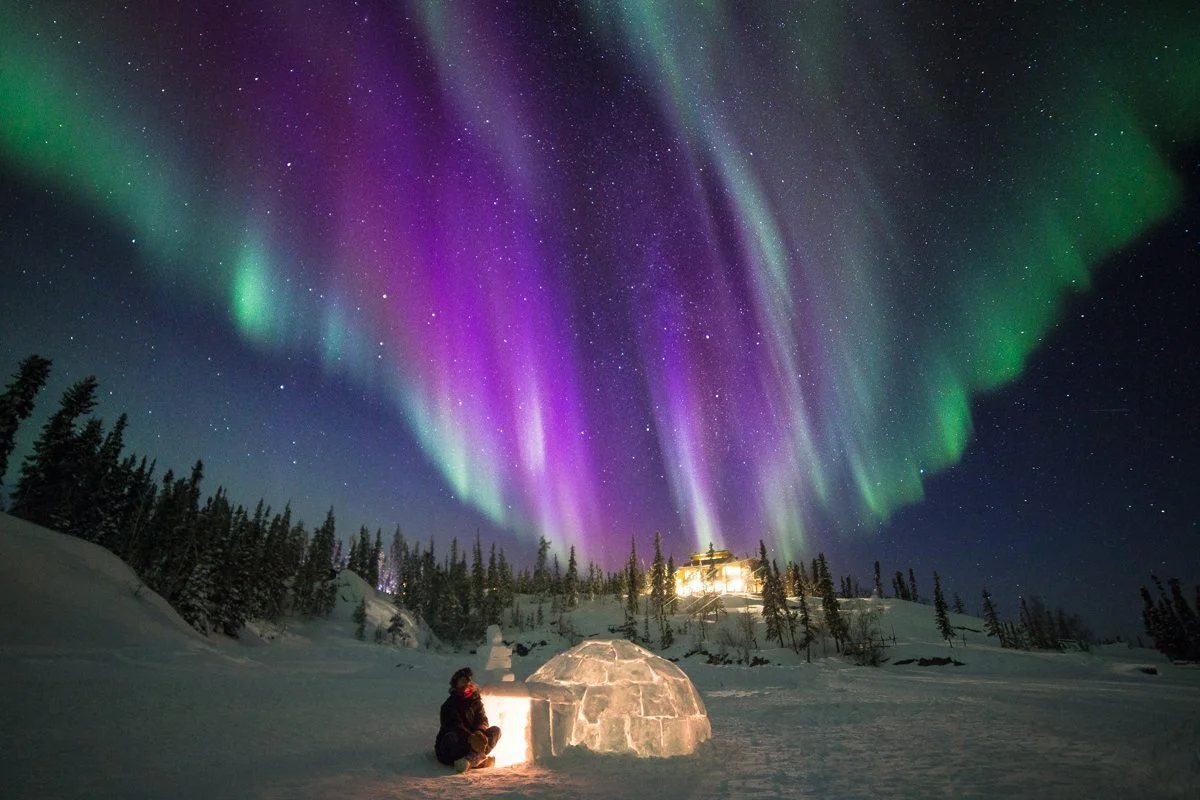
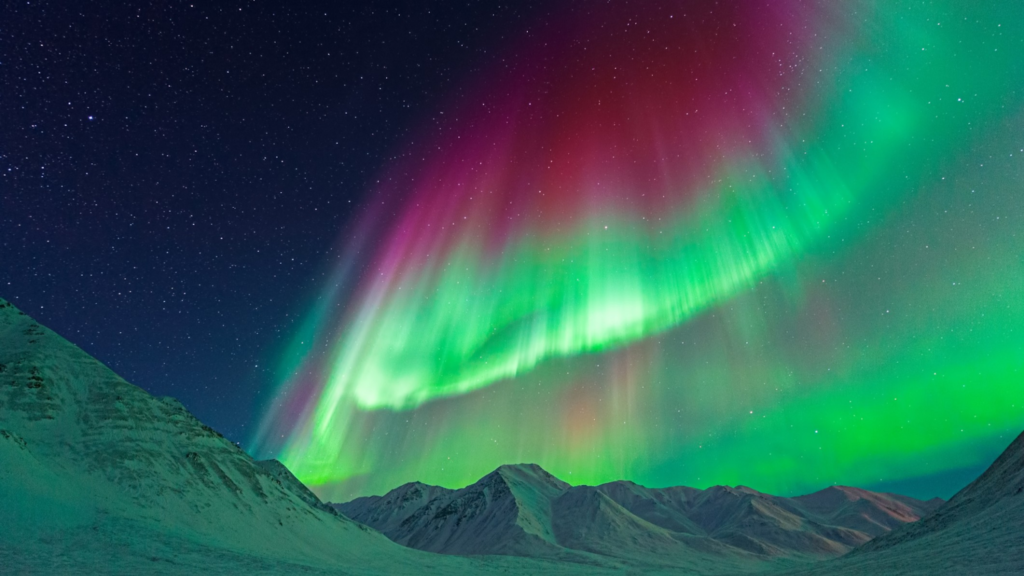
- Green: Oxygen at lower altitudes (most common)
- Red: Oxygen at higher altitudes (strong storms)
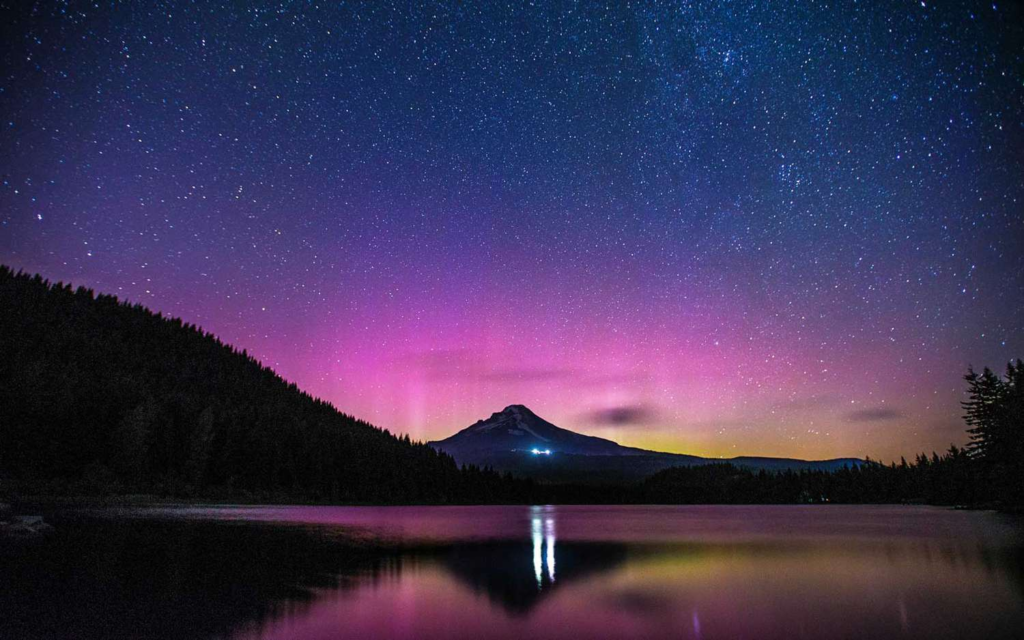
- Purple or blue: Nitrogen interactions
During intense space weather events, these collisions become more energetic, producing brighter and more dynamic displays.
Why This Event Is Happening Now: The Solar Cycle Factor
The timing of this event is no coincidence.
The Sun operates on an 11-year solar cycle, alternating between quiet and active phases. We are currently approaching the peak of Solar Cycle 25, expected around 2025–2026.
As solar maximum approaches:
- Sunspots become more frequent
- Solar flares increase
- CMEs grow stronger and more common
Scientists predicted years ago that this phase would bring more frequent and more intense auroral events, including expanded visibility across the U.S. This event fits that pattern exactly.
Real-Life Memories From Past Northern U.S. Aurora Events
Americans have experienced moments like this before, even if they didn’t realize how rare they were.
During the 2015 storm, residents across Michigan, Wisconsin, and Ohio stepped outside expecting clouds and instead saw glowing green arcs overhead. In 2013, auroras shimmered above city skylines, rural highways, and frozen lakes across the Midwest and Northeast.
One Minnesota resident described pulling over on a dark road, turning off the engine, and watching the sky ripple like water. In Pennsylvania, neighbors gathered silently, speaking in whispers as if they were witnessing something sacred.
These events don’t just light up the sky—they create lifelong memories.
What the Aurora Will Look Like From the Northern U.S.
Auroras seen from the continental U.S. often look different from dramatic Arctic displays, but strong storms can still be breathtaking.
Most people can expect:
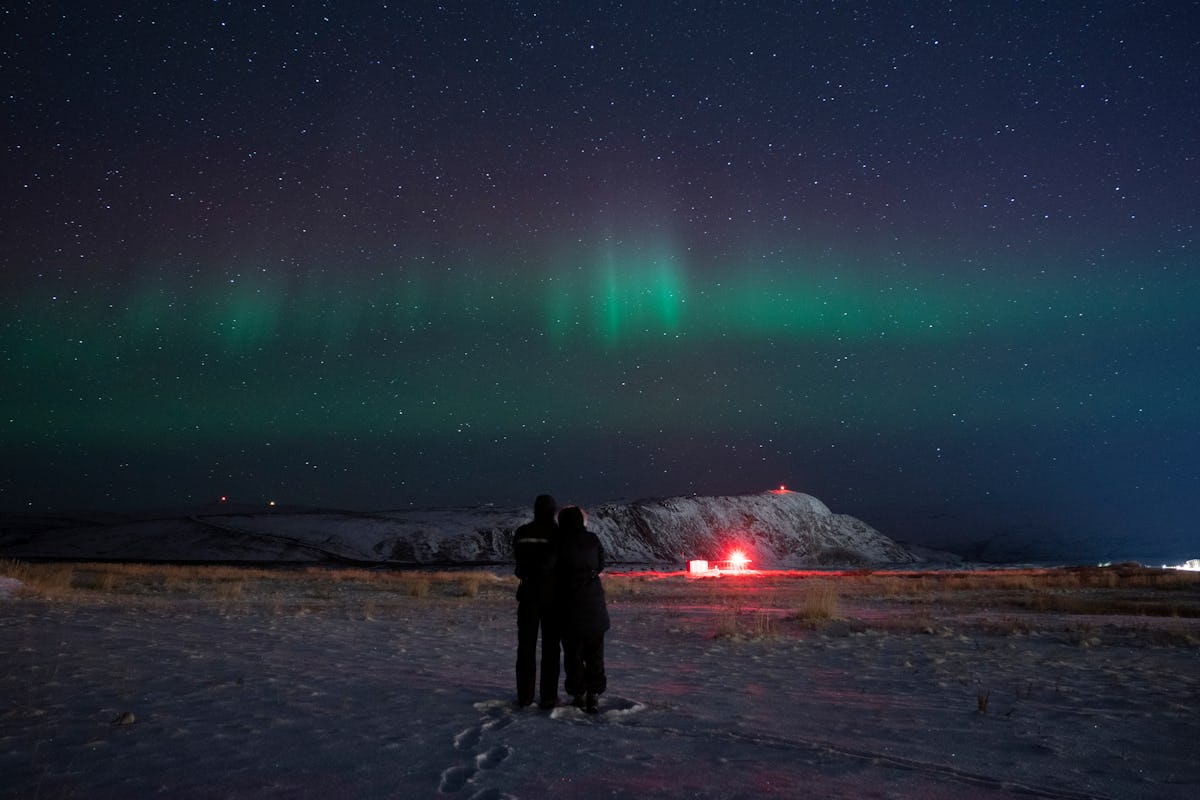
- A green or whitish glow near the northern horizon
- Occasional red or pink hues during intense moments
- Slow rippling, pulsing, or curtain-like movement
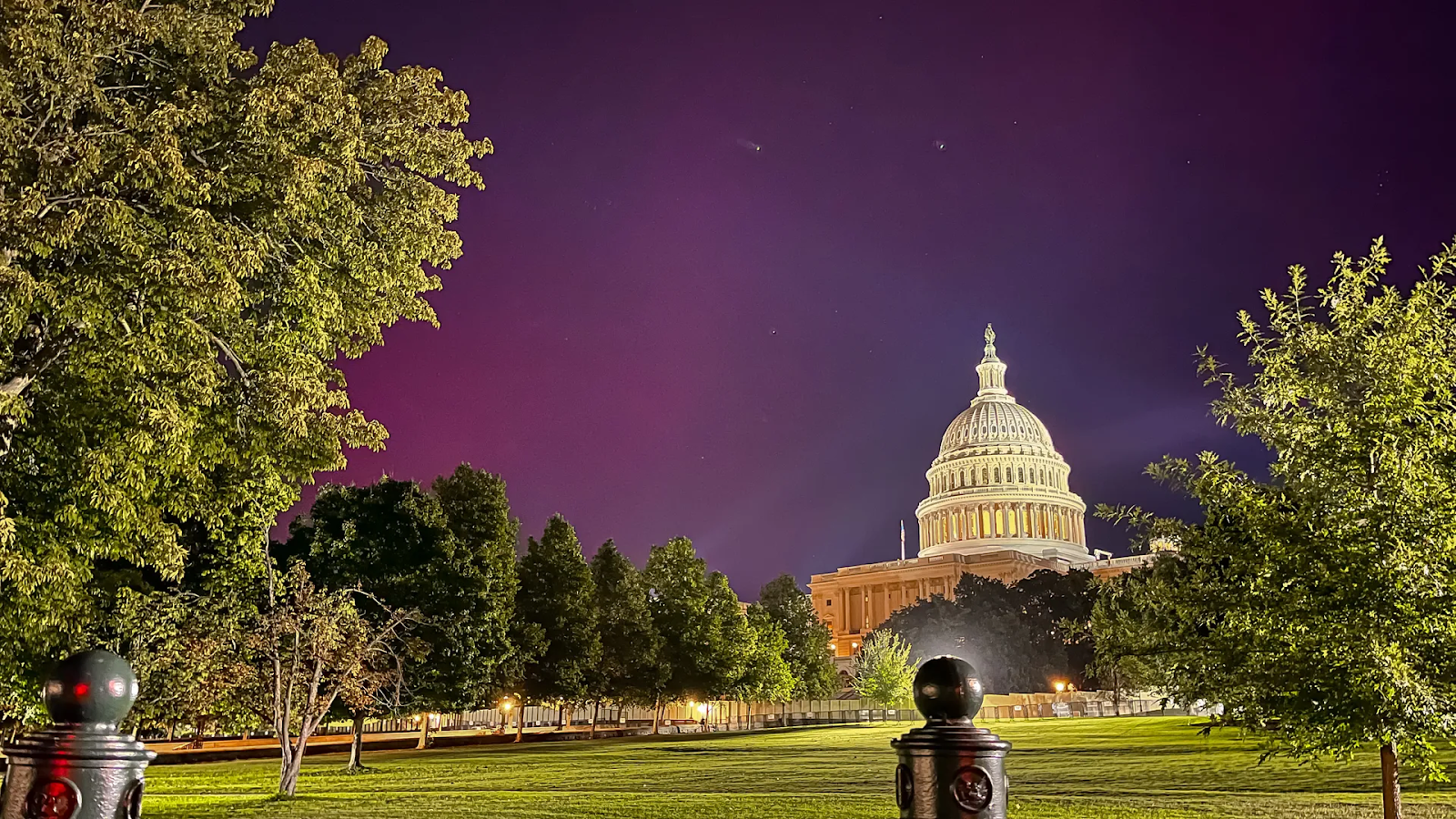
- Colors that appear brighter in photos than to the naked eye
First-time viewers often mistake auroras for clouds or distant light pollution until the glow begins to move.
Why Your Camera Sees More Than Your Eyes
One of the biggest surprises for new aurora watchers is how much better auroras look in photos.
Human eyes are excellent at detecting motion but poor at seeing faint color in darkness. Cameras, especially smartphones in night mode, collect light over time.
That’s why:
- Auroras may appear gray or pale to the eye
- Photos reveal vivid greens and reds
- Time-lapse videos show dramatic motion
Your camera isn’t exaggerating—it’s revealing what your eyes can’t fully process.
Could This Space Weather Event Affect Technology?
This is a common and reasonable concern.
Strong geomagnetic storms can interact with modern technology.
Possible effects include:
- Temporary GPS inaccuracies
- Minor satellite communication disruptions
- Radio signal interference
- Airline route adjustments near polar regions
Experts emphasize that no widespread power outages are expected, and modern infrastructure is designed to handle events like this safely.
For most people, the only noticeable effect will be a beautiful sky.
Who Has the Best Chance of Seeing the Aurora?
Location and conditions make a big difference.
Regions with the highest odds:
- Upper Midwest
- Great Lakes states
- Northern Plains
- Northern New England
- Pacific Northwest
Ideal viewing conditions:
- Clear skies
- Low light pollution
- An unobstructed northern view
Even suburban areas may see auroras during peak activity.
Best Time to Look Up
Auroras are most likely when Earth’s magnetic field is optimally aligned.
Prime viewing window:
- 10:00 PM to 2:00 AM local time
However, strong storms can surprise viewers with:
- Early evening displays
- Activity continuing past 3:00 AM
Auroras often come in waves, so patience is essential.
Why Events Like This Feel So Emotional
Auroras consistently trigger powerful emotional reactions.
Psychologists say this happens because they combine:
- Rarity
- Beauty
- Vast scale
- Shared experience
People describe feelings of awe, calm, and connection. For a brief moment, everyday worries fade away.
That emotional impact is one reason space weather events like this captivate so many people.
What If You Miss This Event?
Solar activity remains elevated.
If you miss this one:
- More aurora alerts are likely
- Solar maximum continues through 2026
- Another major event could happen sooner than expected
This is probably not the last time the northern U.S. lights up.
Practical Tips for First-Time Aurora Watchers
Simple, effective advice:
- Check space-weather forecasts
- Step outside rather than relying on windows
- Let your eyes adjust for 10–15 minutes
- Use your phone camera to scan the sky
- Stay out for at least 20–30 minutes
Many people think they missed the aurora—only to realize it appeared later.
Why This Space Weather Event Matters Beyond the Sky
This event isn’t just about stunning visuals.
It reminds us that:
- Earth exists within a dynamic solar environment
- Modern technology depends on space conditions
- Shared moments of wonder still matter
In a fast-paced, divided world, looking up together has real value.
Final Takeaway: One Event, Millions Looking Up
This single space weather event has the potential to light up skies across the entire northern United States—and to remind millions of Americans that extraordinary things still happen overhead.
If skies are clear where you live, step outside.
Look north.
You may witness something rare, beautiful, and unforgettable.
Frequently Asked Questions (Trending Searches)
1. Can one space weather event really light up the northern U.S.?
Yes. Strong geomagnetic storms can expand auroras across many states at once.
2. What causes this type of space weather event?
A coronal mass ejection from the Sun interacting with Earth’s magnetic field.
3. When is the best time to see the aurora?
Typically between 10 PM and 2 AM local time.
4. Do I need special equipment?
No. The naked eye works, but cameras help.
5. Why do auroras look better in photos?
Cameras capture faint light better than human eyes.
6. Can auroras reach the Midwest and Northeast?
Yes, during strong storms they often do.
7. Is this related to the solar cycle?
Yes. Solar activity is increasing toward solar maximum.
8. Will this affect phones or the internet?
No major impacts are expected.
9. How often do events like this occur?
A few times per solar cycle.
10. Will there be more chances soon?
Yes. Elevated solar activity continues through 2026.