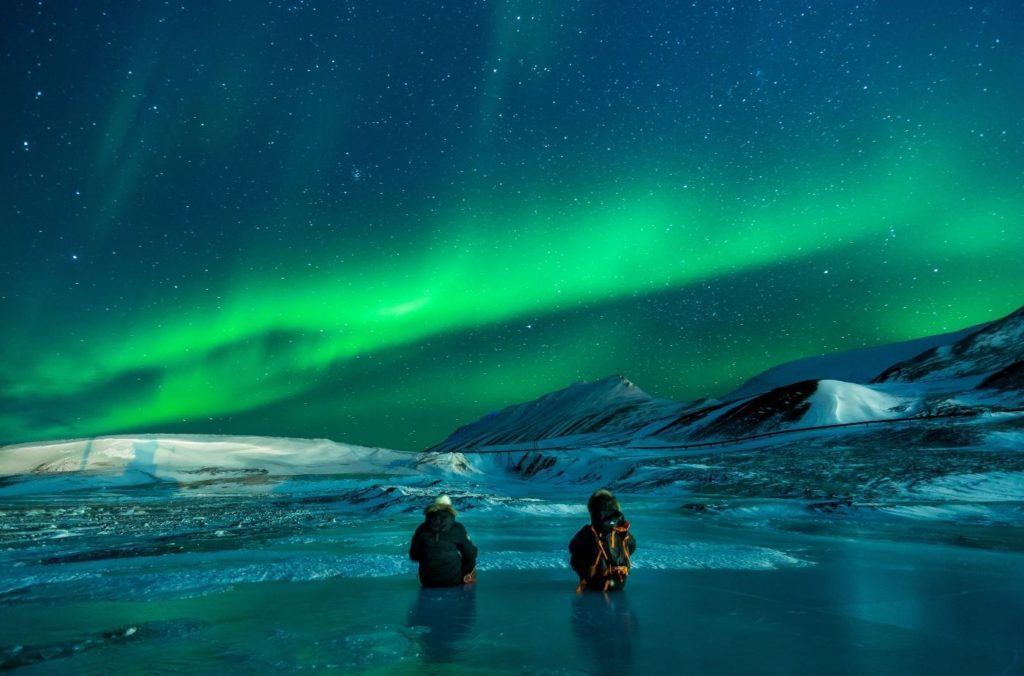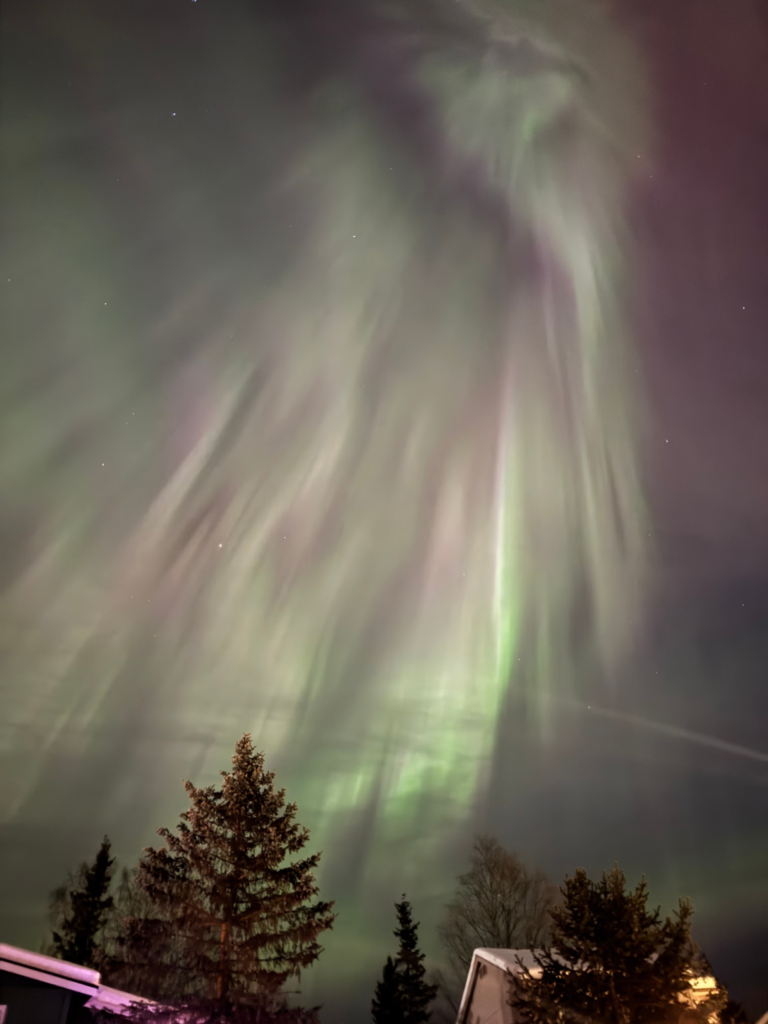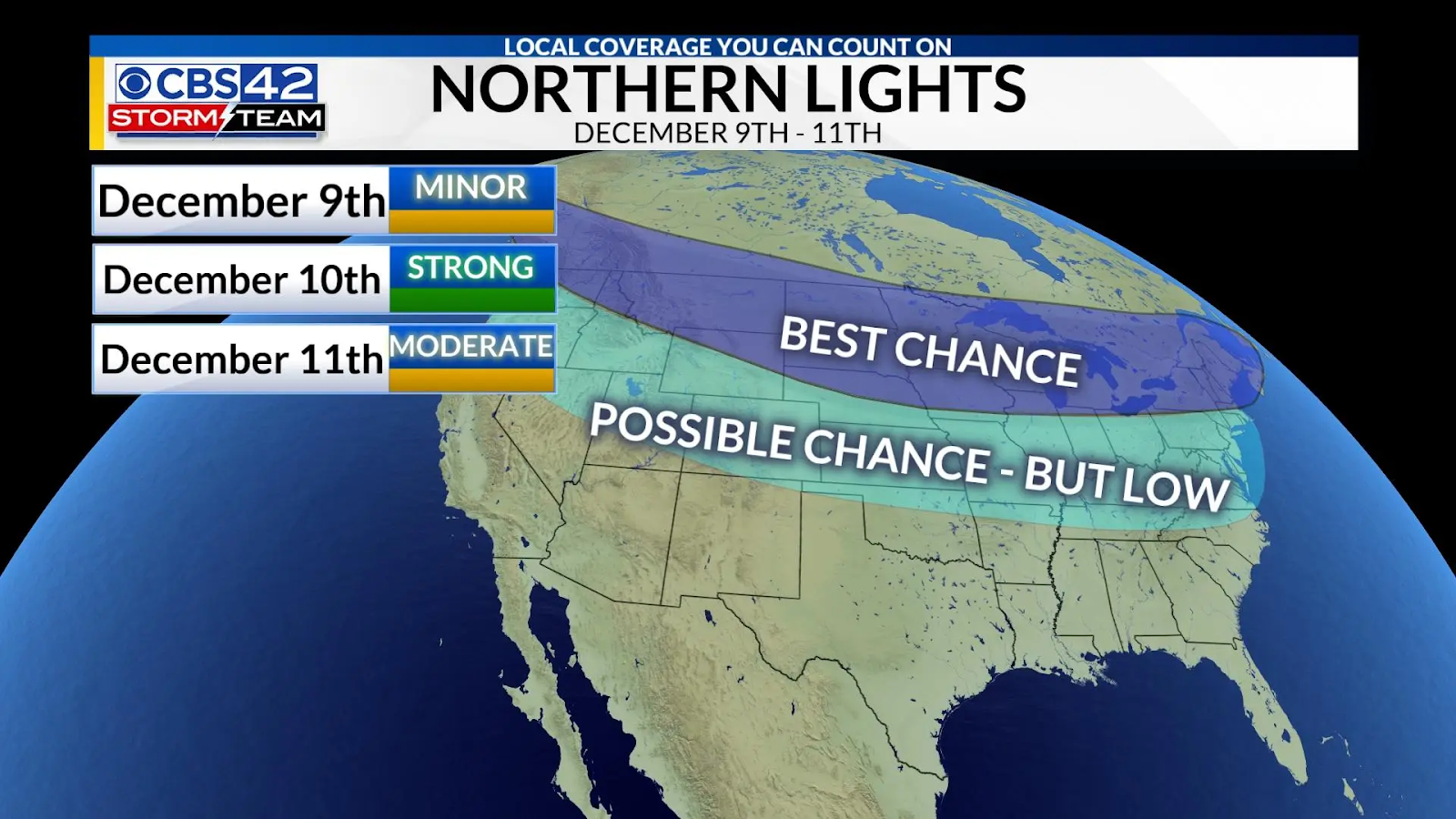
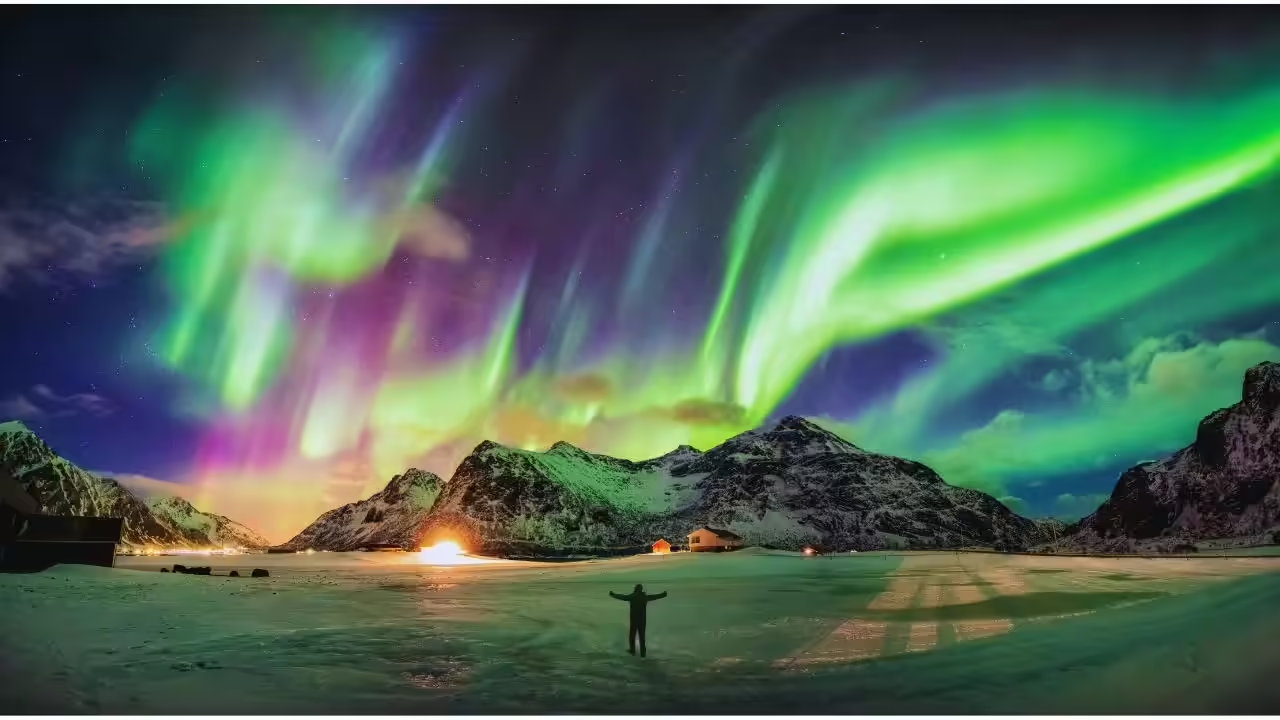
The Northern Lights are no longer an Alaska-only phenomenon. Due to heightened solar activity and improved forecasting, several underrated U.S. states now offer exceptional aurora viewing—often with fewer crowds and darker skies. This in-depth guide reveals which states tourists are finally discovering, why they work so well, when to visit, and how to experience the aurora without hype or international travel.
Why the Northern Lights Are No Longer Just an Alaska Story
For decades, Americans believed one thing about the Northern Lights: if you wanted to see them, you had to go to Alaska—or leave the country entirely. Travel magazines, documentaries, and social media reinforced this idea, portraying aurora viewing as a once-in-a-lifetime expedition to the Arctic.
But that narrative is rapidly changing.
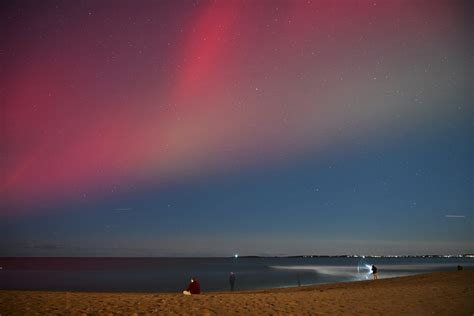
Over the past few years, auroras have appeared repeatedly across the continental United States. Photos from Minnesota, Michigan, North Dakota, Montana, and Maine have gone viral. News outlets have reported Northern Lights sightings as far south as Texas and Alabama during powerful solar storms. According to NASA and NOAA’s Space Weather Prediction Center, this is not random—it’s the result of the Sun entering a more active phase known as Solar Cycle 25.
As solar activity increases, auroras are expanding farther south, more often, and for longer durations. At the same time, travelers are becoming more informed, using real-time aurora forecasts and social media to plan trips around these events.
The result?
Tourists are finally catching on to states that locals have quietly enjoyed for years.
What Does “Underrated” Really Mean for Aurora Viewing?
When we talk about underrated states for aurora viewing, we’re not talking about places that never appear on lists. We’re talking about places that are:
- Rarely marketed as aurora destinations
- Overlooked by mainstream travel media
- Less crowded than famous viewing spots
- Home to locals who see auroras regularly
These states often outperform popular destinations because they offer what auroras truly need: darkness, space, and patience.
In many cases, travelers pass right through these areas without realizing they’re standing under some of the best aurora skies in the country.
Why Aurora Tourism in the U.S. Is Exploding Right Now
Aurora tourism didn’t suddenly become popular by accident. Several trends are converging at once:
- Stronger solar storms during Solar Cycle 25
- Better forecasting tools from NOAA and NASA
- Social media exposure of unexpected aurora sightings
- Increased interest in domestic travel
- A growing desire for uncrowded, meaningful experiences
Search queries like “Best states to see the Northern Lights,” “Aurora borealis USA,” and “Can you see the aurora in my state?” are surging nationwide.
As awareness spreads, states that once flew under the radar are now drawing attention from photographers, travelers, and skywatchers alike.
Underrated State #1: North Dakota — America’s Quiet Aurora Giant
North Dakota may be the most overlooked aurora state in the United States.
It lacks the dramatic mountains of Alaska or the scenic marketing of national parks. But what it does have is something auroras love: darkness and latitude.
Why North Dakota is exceptional:
- Extremely low population density
- Vast, flat prairie horizons
- Minimal light pollution
- Cold, dry air that enhances clarity
North Dakota often sits directly under the auroral oval during moderate to strong geomagnetic storms. Locals in rural areas near the Canadian border report seeing auroras several times each winter during active solar years.
One resident near Minot described auroras as “something you notice while taking the trash out,” not a special event requiring planning.
Tourists are only now discovering what’s been quietly happening above North Dakota skies for decades.
Underrated State #2: Minnesota — Far Beyond the Tourist Trail
Minnesota is often mentioned in aurora discussions, but most visitors never go far enough north—or far enough away from city lights.
The true aurora heart of Minnesota lies in:
- The Boundary Waters Canoe Area Wilderness
- Remote stretches of the North Shore
- Unincorporated forest land far from highways
Why northern Minnesota stands out:
- Federally protected dark skies
- Thousands of lakes that reflect auroral light
- Long winter nights
- Reliable aurora visibility during active periods
Local outfitters and cabin owners quietly acknowledge that aurora tourism has increased in recent years. People are booking winter stays specifically to chase the lights—something that rarely happened a decade ago.
Underrated State #3: Michigan’s Upper Peninsula — The East’s Aurora Stronghold
The Upper Peninsula of Michigan, often simply called the U.P., has long been a hidden gem for aurora viewing—especially in the eastern half of the United States.
Once you leave towns and highways, the darkness is profound.
Why the U.P. works so well:
- Northern latitude
- Proximity to Lake Superior
- Cold air that reduces atmospheric haze
- Vast national forest land
Lake Superior plays a surprising role. Its massive surface helps stabilize air masses, often leading to clearer skies than surrounding regions. During moderate geomagnetic storms, auroras frequently appear here when neighboring states see nothing.
Photographers have begun traveling specifically to the U.P. after seeing aurora images taken along Lake Superior’s rocky shoreline—images once assumed to come from much farther north.
Underrated State #4: Montana — Beyond Glacier National Park
Glacier National Park often dominates Montana’s night-sky reputation. But ironically, it’s not always the best place for aurora viewing due to visitor traffic and limited nighttime access.
The real aurora magic happens in:
- The Hi-Line region
- Fort Peck Lake area
- Charles M. Russell National Wildlife Refuge
Why Montana excels:
- Immense open skies
- Extremely low light pollution
- Ideal geomagnetic latitude
Local ranchers have described auroras so bright they could see their breath illuminated beneath the sky. These are not rare legends—they’re documented experiences during strong solar storms.
Tourists seeking solitude and dramatic skies are increasingly adding rural Montana to their aurora bucket lists.
Underrated State #5: Maine — The East Coast Surprise
For years, East Coast residents believed auroras were impossible without crossing time zones.
Northern Maine quietly proved them wrong.
Regions like:
- Aroostook County
- Allagash Wilderness Waterway
- Areas near the Quebec border
offer some of the darkest skies east of the Mississippi River.
Why Maine works:
- Favorable geomagnetic latitude
- Very low population density in the north
- Long, cold winter nights
During recent geomagnetic storms, Maine residents shared aurora photos while cities like Boston and New York were completely washed out by light pollution.
As these images spread, aurora travelers are finally putting northern Maine on the map.
Underrated State #6: Idaho — The Sleeper Aurora Destination
Idaho almost never appears in aurora travel articles—and that’s exactly why it belongs on this list.
Central Idaho’s wilderness areas provide:
- High elevation
- Exceptionally dark skies
- Minimal air traffic
- Sparse population
The Frank Church–River of No Return Wilderness is one of the darkest places in the continental U.S. During strong solar storms, auroras have been visible here while nearby states struggled with cloud cover.
Tourists seeking a truly remote aurora experience—far from crowds—are slowly discovering Idaho’s potential.
Why Tourists Are Finally Catching On Now
Several forces are driving this shift:
- Solar Cycle 25 is stronger than predicted
- Viral photos from unexpected states
- Increased interest in off-the-grid travel
- Rising costs of international aurora trips
Once a few compelling images circulate online, curiosity spreads fast. Lodges fill up. Local guides notice. A place once overlooked suddenly becomes a destination.
Best Time of Year to Visit These States for Aurora Viewing
Timing can make or break an aurora trip.
General guidelines:
- Best season: September through March
- Best hours: 10:00 PM to 3:00 AM
- Peak activity: Often after midnight
Winter offers longer nights and clearer skies, but fall can also be productive due to increased geomagnetic activity around the equinoxes.
Common Mistakes Tourists Make When Chasing Auroras
Even as awareness grows, many visitors still struggle.
Common Aurora Travel Mistakes
- Staying too close to cities
- Leaving before midnight
- Ignoring cloud forecasts
- Expecting neon colors instantly
- Relying only on phone notifications
Auroras reward patience, preparation, and flexibility.
Why These Underrated States Beat Famous Aurora Hotspots
Compared to heavily marketed destinations, underrated states offer:
- Fewer crowds
- Darker skies
- Lower travel costs
- More authentic experiences
For many travelers, stepping outside a quiet cabin and seeing the aurora overhead—without tour buses or noise—is far more memorable than standing in a crowded viewpoint.
Practical Tips for Aurora Travelers
How to Improve Your Chances
- Travel at least 30–60 miles from major cities
- Monitor NOAA aurora forecasts
- Prioritize clear skies over high Kp numbers
- Dress for extreme cold
- Give your eyes 20–30 minutes to adapt to darkness
Is This the Best Time in Decades for Aurora Viewing in the U.S.?
According to NASA and NOAA, yes.
Solar Cycle 25 is expected to peak between 2024 and 2026, increasing:
- The frequency of geomagnetic storms
- The number of southern aurora events
- Opportunities in the lower 48 states
This window is rare—and temporary.
Frequently Asked Questions (Trending Searches)
1. What are the most underrated states for aurora viewing?
North Dakota, Minnesota, Michigan, Montana, Maine, and Idaho.
2. Can you really see the Northern Lights outside Alaska?
Yes, during moderate to strong solar storms.
3. Which state has the darkest skies?
North Dakota and central Idaho rank among the darkest.
4. Do I need special equipment to see auroras?
No. They’re visible to the naked eye.
5. Why do some states see auroras more often?
Geomagnetic latitude and low light pollution.
6. Are auroras visible every night?
No. Visibility depends on solar activity and weather.
7. What time is best for aurora viewing?
Usually between 10 PM and 3 AM.
8. Can auroras reach the southern U.S.?
Rarely, but yes during extreme storms.
9. Is winter better than fall?
Winter offers longer nights, but fall can also be excellent.
10. Will aurora tourism keep growing?
Yes, as solar activity and awareness increase.
Final Thoughts: Why These States Won’t Stay Underrated Forever
These states have always had the skies.
They just didn’t have the spotlight.
As solar activity intensifies and travelers seek deeper, quieter experiences, the secret is spreading fast. The Northern Lights are no longer a distant dream—they’re a domestic adventure hiding in plain sight.
For now.