A once-quiet U.S. national park has unexpectedly become one of America’s most reliable aurora hotspots. Thanks to intensified solar activity, pristine dark skies, and unique water-based geography, the Northern Lights are now appearing here more often and more vividly than ever. This in-depth guide explains what changed, why scientists are paying attention, and how visitors can witness the phenomenon themselves.
A Place Where Nights Used to Be Silent
For most of its history, this national park was known for its stillness after sunset. Once the boats docked and the campfires dimmed, the landscape slipped into darkness so deep it felt timeless. Visitors came for daytime canoeing, wildlife sightings, and long summer sunsets—not for what happened after midnight.
Then the sky started to change.
At first, it was subtle. A faint green arc above the horizon. A glow reflected on the water that didn’t quite behave like moonlight. Rangers received occasional comments from campers asking whether the light they saw was “something atmospheric.”
Within months, those questions turned into statements.
“We saw the Northern Lights last night.”
What followed was a steady rise in sightings, photographs, and first-hand accounts that all pointed to the same conclusion: this national park had become an aurora magnet.
The park in question is Voyageurs National Park, and its transformation has been one of the most surprising developments in U.S. night-sky tourism.
Which National Park Is Suddenly Drawing Aurora Chasers?
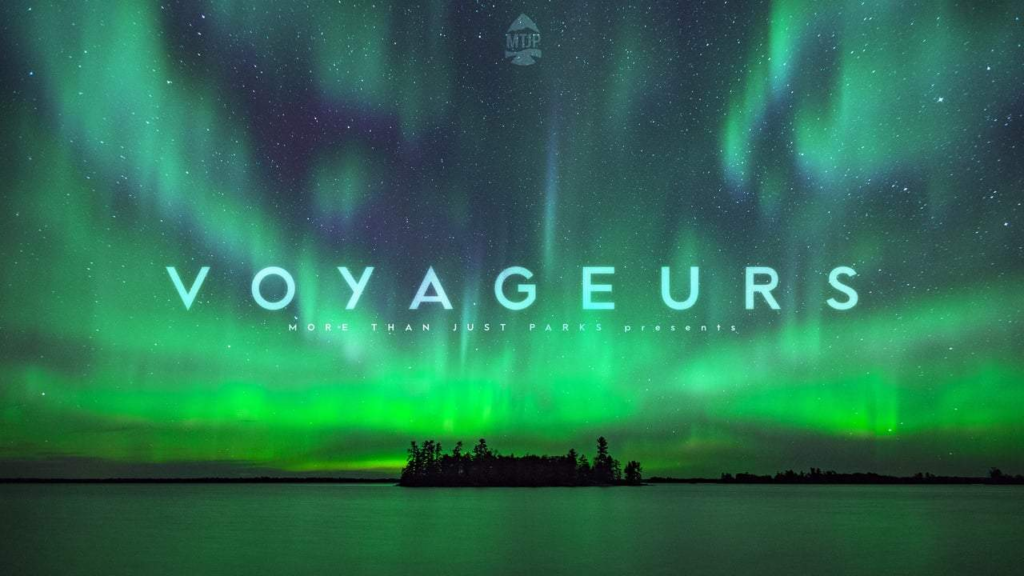
Voyageurs National Park, located in northern Minnesota along the U.S.–Canada border, is now widely regarded as one of the best places in the continental United States to see the Northern Lights.
That reputation is new.
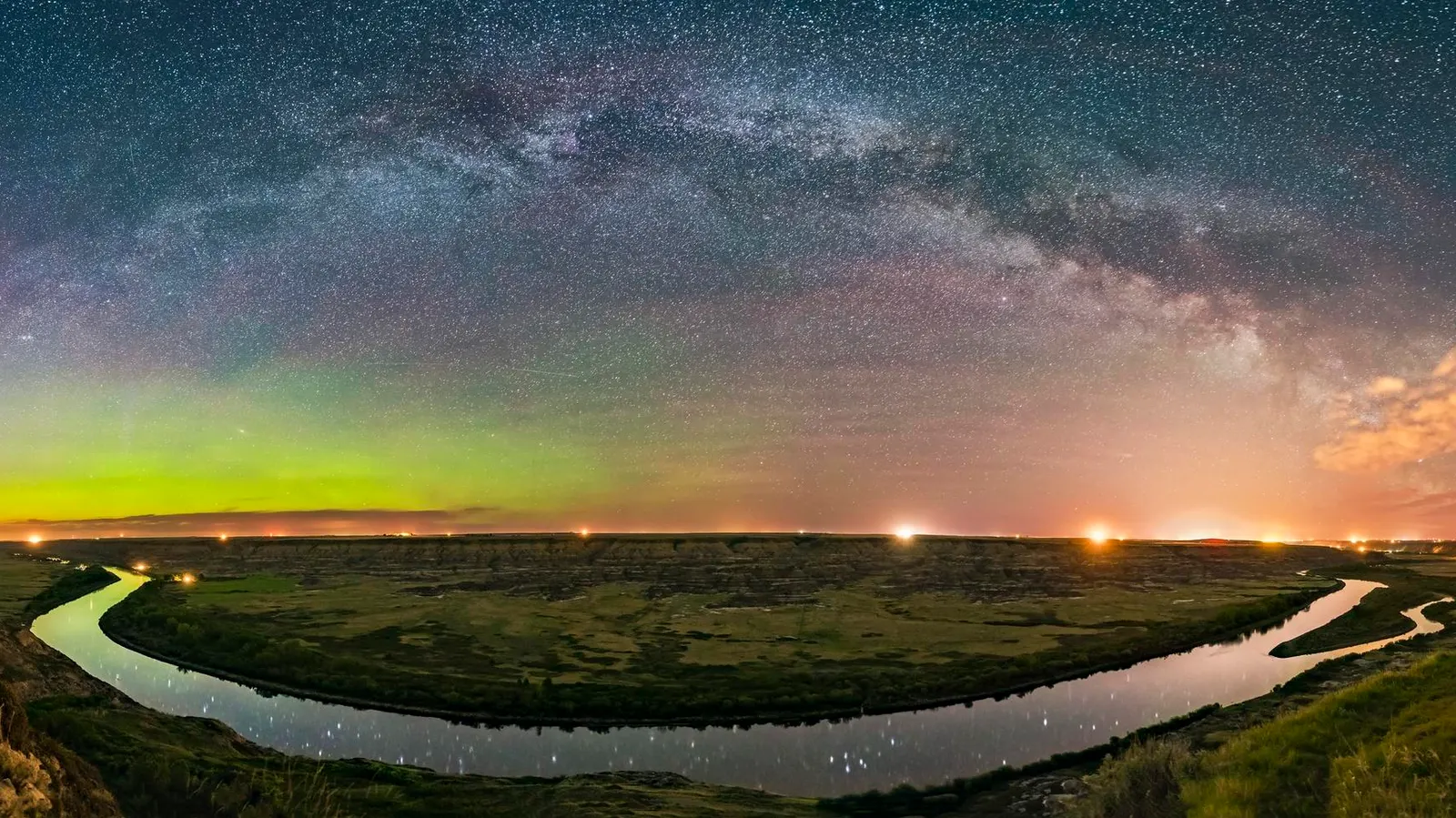
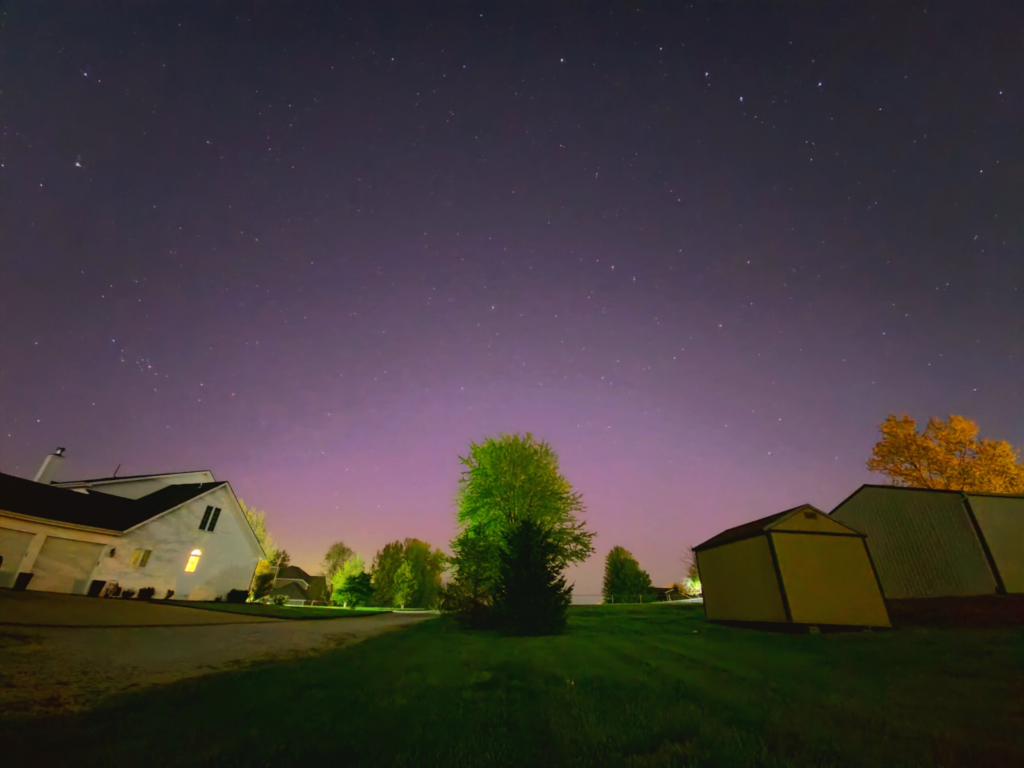
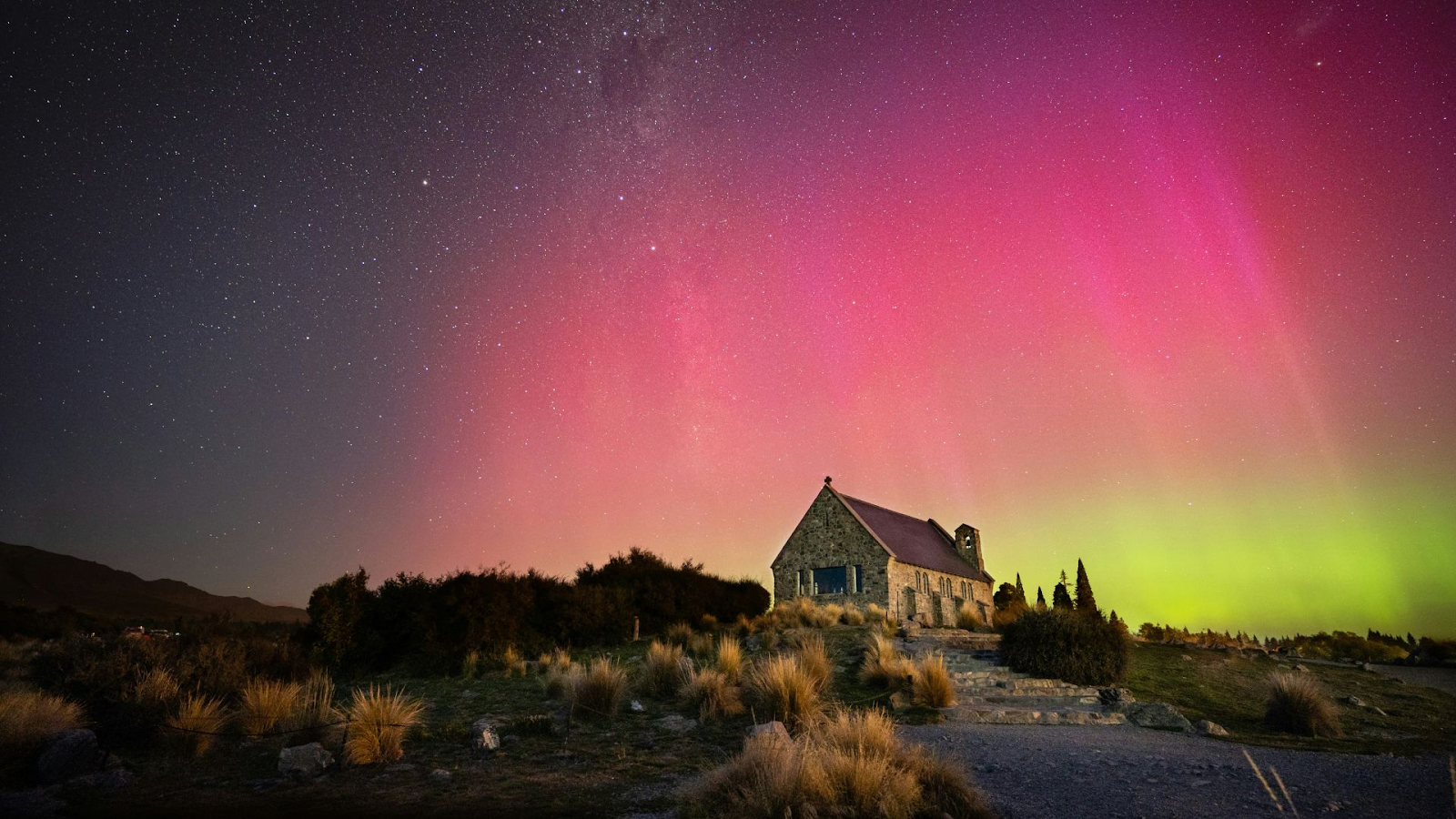
While auroras were occasionally visible here in the past, they were rare, faint, and usually visible only through long-exposure photography. Today, during strong geomagnetic storms, auroras in Voyageurs are:
- Clearly visible to the naked eye
- Brighter and more structured
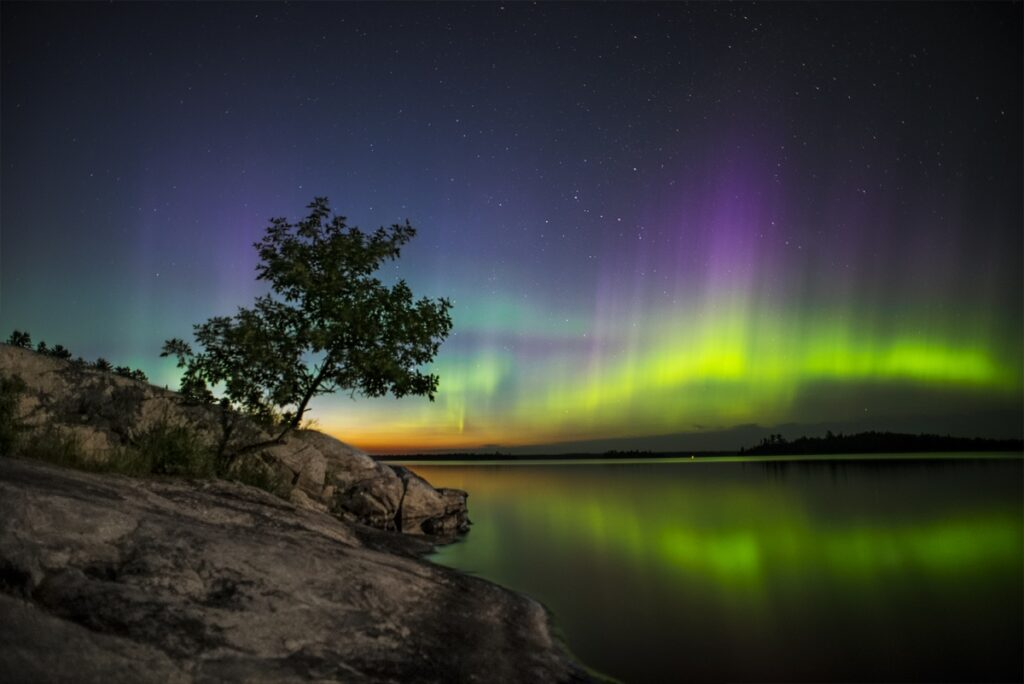
- Reflected dramatically across lakes
- Appearing multiple times per season
Visitors who have returned after years away describe the experience as completely different from what they remember.
What Changed? The Perfect Alignment of Three Forces
Voyageurs didn’t become an aurora hotspot by accident. Its transformation is the result of three major forces aligning at the same time, each amplifying the others.
1. The Sun Entered an Exceptionally Active Phase
The most important change didn’t happen on Earth.
We are currently moving through Solar Cycle 25, part of the Sun’s natural 11-year cycle. During solar maximum, the Sun becomes more volatile, producing:
- Increased sunspot activity
- More frequent solar flares
- Powerful coronal mass ejections (CMEs)
When CMEs collide with Earth’s magnetic field, they trigger geomagnetic storms. Strong storms expand the auroral oval, pushing visible auroras much farther south than usual.
According to NOAA’s Space Weather Prediction Center, Solar Cycle 25 has already produced multiple severe (G4) and extreme (G5) geomagnetic storms, some of the strongest seen in decades.
In simple terms:
The Sun is sending more energy toward Earth—and Earth’s atmosphere is lighting up in response.
2. Voyageurs Has Some of the Darkest Skies in the Lower 48
Solar activity alone isn’t enough. You also need darkness—and Voyageurs excels at it.
The park is remote, sparsely populated, and far from major metropolitan areas. Artificial light is minimal, and large sections of the park are accessible only by boat, eliminating most sources of light pollution.
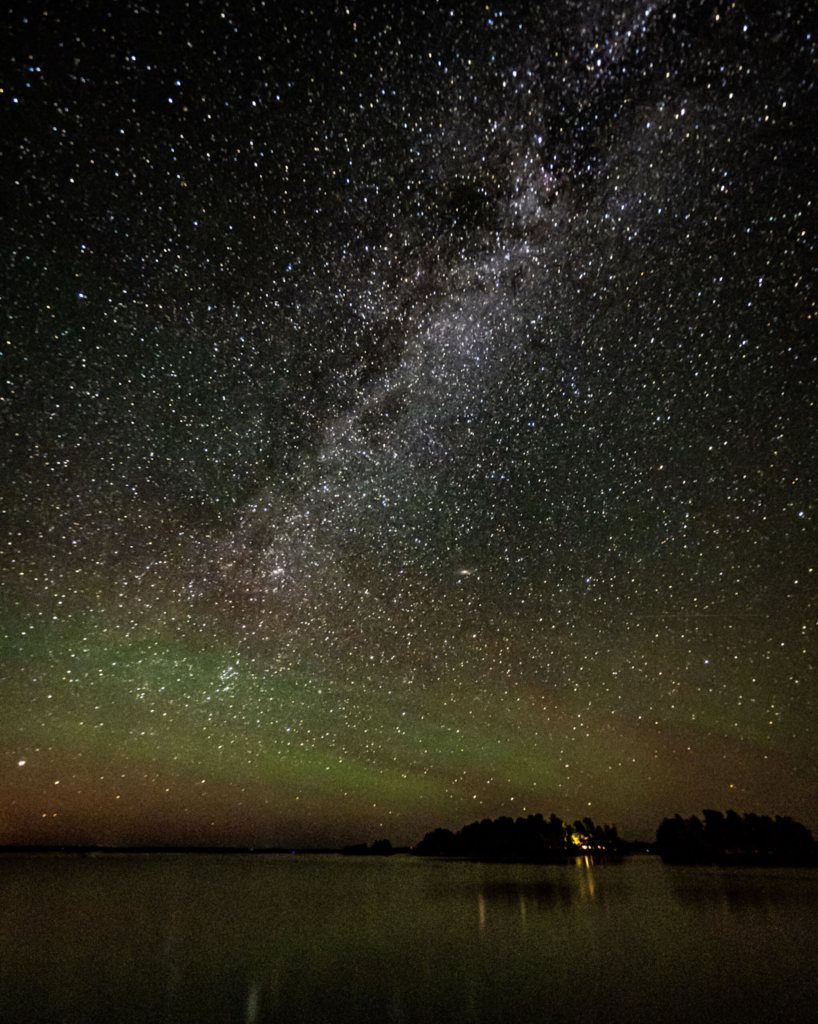
More than 80% of Americans live under light-polluted skies where the Milky Way is invisible. In Voyageurs, the Milky Way is so bright that it often dominates the sky.
When auroras appear here, there’s nothing competing with them.
This darkness is one of the main reasons why even moderate auroral activity becomes visually stunning in the park.
3. Water Geography Magnifies the Aurora Experience
Voyageurs isn’t just dark—it’s defined by water.
The park is made up of large, interconnected lakes such as Rainy Lake, Kabetogama Lake, and Namakan Lake. These bodies of water provide:
- Unobstructed northern horizons
- Wide, open viewing angles
- Mirror-like reflections of auroral light
Visitors often report seeing auroras both above and below them, creating a surreal, immersive experience that feels almost three-dimensional.
This reflection effect significantly enhances brightness and color perception, making auroras appear more intense than they would over land alone.
Why Voyageurs Stands Out Among U.S. Aurora Locations
Many places in the northern U.S. can occasionally see auroras. Very few offer the same combination of factors that Voyageurs does.
What Sets Voyageurs Apart
- Northern latitude within the continental U.S.
- National-park-protected darkness
- Water-based horizons instead of forests or buildings
- Low nighttime visitor density
Together, these elements turn rare solar events into unforgettable experiences.
What Visitors Are Actually Seeing: Real-Life Accounts
This isn’t just theory—it’s happening on the ground.
Recent visitor experiences include:
- Campers waking up to green and purple light reflecting off frozen lakes
- Kayakers watching auroral curtains ripple silently overhead
- Rangers stopping patrols to observe sudden sky eruptions
One Minnesota photographer described witnessing a full auroral corona, a rare formation where light radiates outward from a central point—an event usually associated with Arctic Circle destinations.
Another family visiting from Chicago reported seeing their first aurora ever, with no camera assistance, from a shoreline campsite.
These aren’t seasoned aurora chasers. They’re everyday visitors witnessing something extraordinary.
Is This a Temporary Phenomenon or a Long-Term Shift?
This is one of the most searched aurora questions in the U.S. right now.
The Honest Answer
Voyageurs will not have auroras every night. But it is likely to remain a prime aurora location through at least 2026.
Solar Cycle 25 is expected to peak between 2024 and 2026, meaning:
- Continued strong geomagnetic storms
- More frequent aurora visibility in northern U.S. regions
- Ongoing opportunities at Voyageurs
After the peak, activity will gradually decline—but auroras will not disappear entirely.
When Is the Best Time to See Auroras in Voyageurs National Park?
Timing is critical.
Best Viewing Conditions
- Geomagnetic storms with Kp index of 6 or higher
- Clear skies with minimal cloud cover
- Little to no moonlight
- Prime window: 10:00 PM to 2:00 AM
Winter offers the longest darkness, but fall and early spring can also deliver spectacular displays under the right conditions.
Practical Aurora Viewing Tips for First-Time Visitors
Preparation can make the difference between disappointment and wonder.
What Helps
- Monitoring NOAA space-weather alerts
- Choosing campsites or shorelines facing north
- Dressing warmer than you think necessary
- Bringing patience and flexibility
What Hurts
- Expecting guaranteed auroras
- Using bright white lights
- Leaving too early
Many of the most intense aurora displays begin suddenly after long periods of calm.
How Rangers and Scientists Are Responding
Park rangers have noticed the shift.
They report:
- Increased nighttime activity
- More aurora-related questions from visitors
- Growing interest in night-sky interpretation programs
Scientists see Voyageurs as a real-world example of how solar cycles directly affect human experiences on Earth, making it an ideal location for public science education.
Why This Matters Beyond Tourism
Auroras are more than visual spectacles.
They:
- Spark curiosity about space and Earth science
- Reinforce the importance of dark-sky preservation
- Connect people emotionally to natural cycles
- Encourage conservation of remote landscapes
Voyageurs’ transformation highlights how protecting darkness allows rare natural phenomena to thrive.
Could Other National Parks Follow the Same Path?
Possibly.
Parks with similar characteristics—northern latitude, darkness, and open horizons—are also reporting increased aurora activity, including:
- Isle Royale National Park
- Theodore Roosevelt National Park
- Glacier National Park
Voyageurs may simply be the first to gain widespread recognition.
Frequently Asked Questions (Trending in the U.S.)
1. Why is this national park seeing more auroras now?
Stronger solar storms during Solar Cycle 25 are pushing auroras farther south.
2. Can auroras really be seen without a camera here?
Yes. During strong storms, auroras are clearly visible to the naked eye.
3. Is it safe to watch auroras?
Absolutely. Auroras pose no risk to observers on the ground.
4. Why do auroras look brighter over water?
Water reflects light, enhancing brightness and color.
5. Do I need special equipment?
No, but warm clothing and patience are essential.
6. Are auroras guaranteed if I visit?
No. Aurora visibility depends on solar activity and weather.
7. Which direction should I face?
North, ideally over open water.
8. Can children safely watch auroras?
Yes, with proper supervision and cold-weather preparation.
9. Is winter the best season?
Winter offers longer nights, but auroras can appear year-round.
10. Will this continue after 2026?
Activity will decrease after solar maximum but won’t disappear.
The Bigger Picture: A Park Reimagined After Dark
Voyageurs National Park hasn’t physically changed—but our relationship with it has.
What was once a daytime destination is now a nighttime wonderland, where the Sun’s distant activity paints the sky above silent lakes.
For visitors lucky enough to be there on the right night, the experience feels intimate, emotional, and unforgettable.
Final Takeaway
This national park didn’t advertise itself as an aurora destination.
The sky made that decision.
As solar activity continues to intensify, Voyageurs National Park stands as one of the best places in the continental U.S. to witness a phenomenon once thought unreachable.
And for those who see it, the memory lasts long after the lights fade.