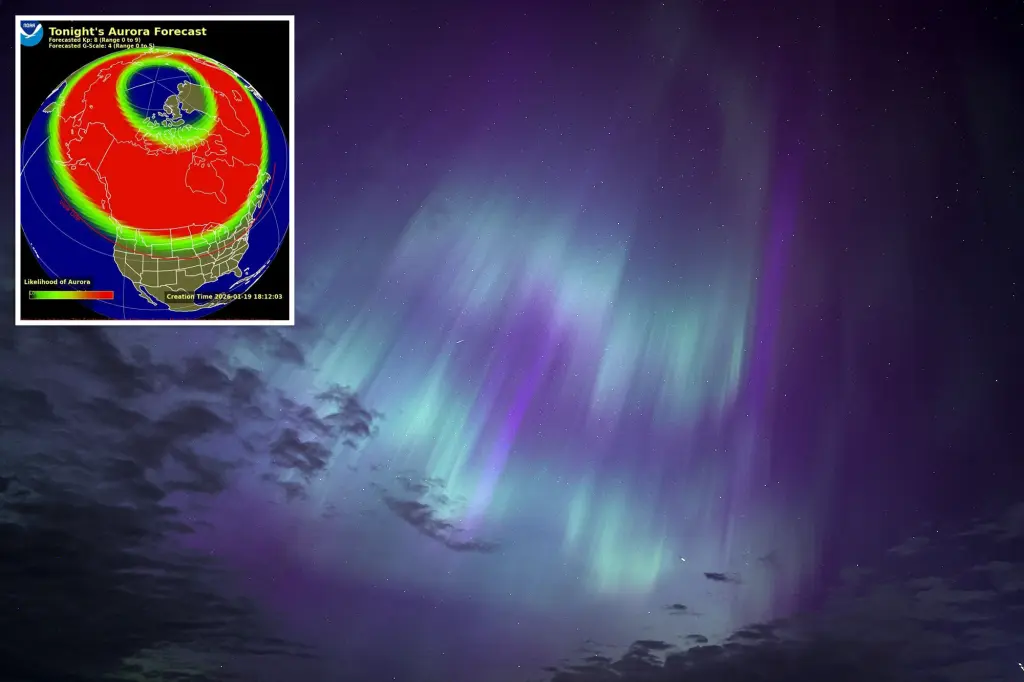
The Arctic Aurora—often called the Northern Lights—is captivating America like never before. Fueled by heightened solar activity and a powerful solar cycle, auroras are appearing brighter, more frequently, and farther south than many Americans have ever witnessed. Beyond their beauty lies a surprising story of science, history, technology, and human emotion that most people have never fully understood.
The Arctic Aurora Has Become an American Obsession—Here’s Why
For generations, the Arctic Aurora felt distant and unattainable to most Americans. It belonged to the frozen edges of the planet—Alaska, northern Canada, Iceland, or Scandinavia. Seeing it required travel, patience, and luck. For people living in the Midwest, the South, or the East Coast, the idea of witnessing the Northern Lights from home felt almost mythical.
That perception has changed dramatically.
Over the past few years, aurora alerts have appeared across weather apps, news headlines, and social media feeds. Photos of glowing skies are emerging from states that rarely, if ever, saw auroras before. Families are stepping outside late at night. Photographers are scrambling for tripods. Even people who never paid attention to space weather are suddenly asking the same question:
Why is the Arctic Aurora everywhere right now?
The answer isn’t just “solar activity.” It’s a much bigger story—one that blends astronomy, Earth science, modern technology, cultural history, and human psychology.
What the Arctic Aurora Really Is (And Why the Simple Explanation Falls Short)
Most explanations of the aurora are technically correct but incomplete. You’ve probably heard something like this:
Charged particles from the Sun hit Earth’s atmosphere and create light.
That’s true—but it doesn’t explain why the aurora exists, why it appears where it does, or why it’s becoming more visible to Americans right now.
The Arctic Aurora is a visible sign of Earth’s magnetic defense system at work.
Earth is constantly bombarded by energy from the Sun in the form of solar wind. Without a magnetic field, our atmosphere would slowly be stripped away. Instead, Earth’s magnetosphere acts like a shield, redirecting solar particles toward the polar regions.
When those particles collide with gases in the upper atmosphere—mainly oxygen and nitrogen—they release energy as light. That light is the aurora.
In other words, every aurora you see is proof that Earth is successfully protecting itself.
Why Americans Are Seeing More Arctic Auroras Than Ever Before
The Arctic Aurora isn’t new. What’s new is how often and how far south it’s being seen.
There are three main reasons behind this surge in visibility:
1. The Sun Is Entering a Highly Active Phase
We are approaching the peak of Solar Cycle 25, part of the Sun’s natural 11-year cycle. During this phase, the Sun produces more sunspots, solar flares, and coronal mass ejections—each of which can intensify auroral activity.
2. Modern Cameras Reveal What Eyes Miss
Smartphones and digital cameras can capture faint auroral colors that the human eye struggles to see. Many people don’t realize they’ve witnessed an aurora until they look at their photos.
3. Social Media Turns Local Events Into National Moments
A single aurora sighting in a rural area can now reach millions of people within minutes, amplifying awareness and excitement nationwide.
Together, these factors have turned the Arctic Aurora from a remote phenomenon into a shared American experience.
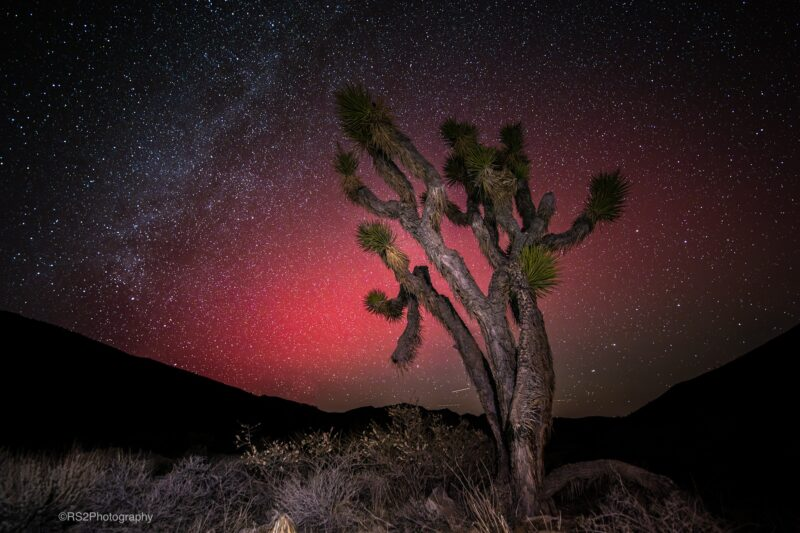
How Far South the Arctic Aurora Can Actually Travel
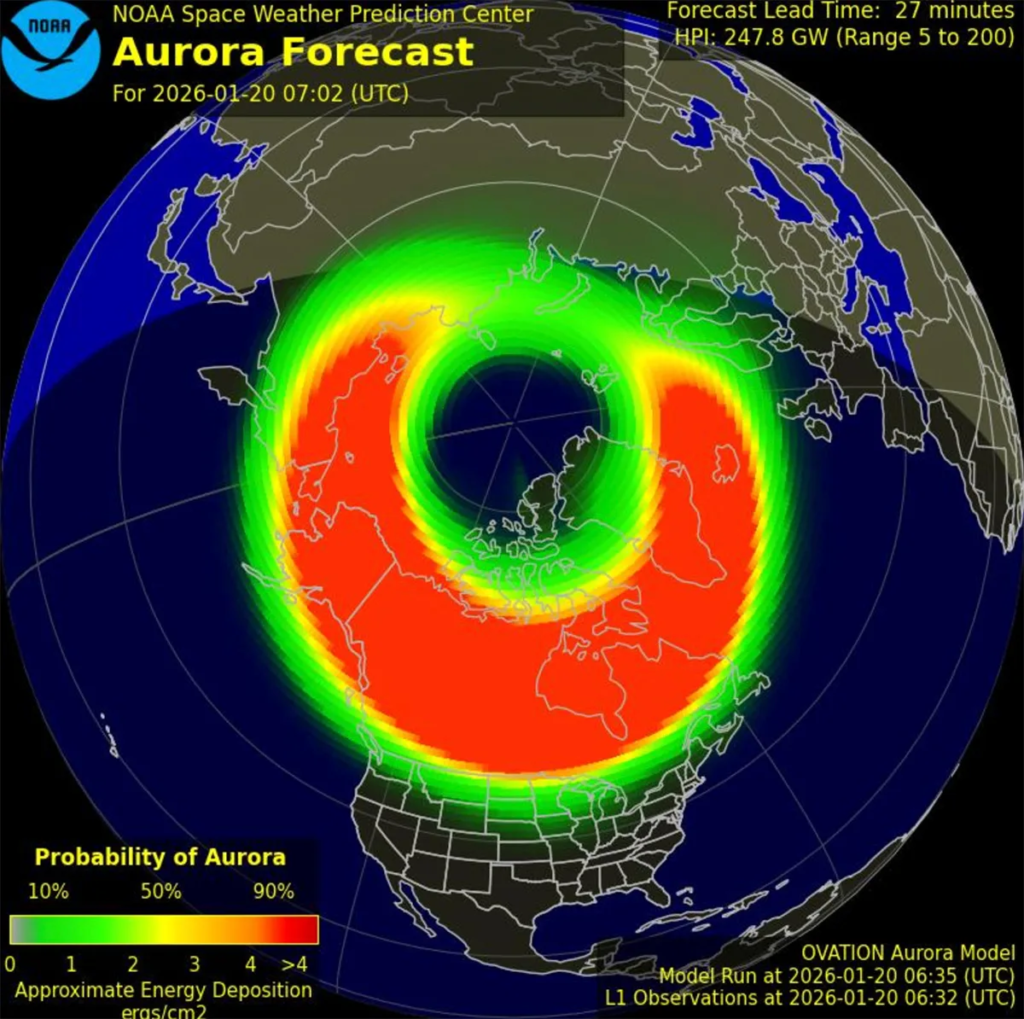
One of the biggest surprises for Americans is just how far south the Arctic Aurora can reach.
Under calm solar conditions, auroras stay near the Arctic Circle. But during strong geomagnetic storms, the auroral oval expands dramatically.
Documented southern aurora sightings include:
- The Midwest and Great Plains
- States like Missouri, Kentucky, and Virginia
- Rare historical sightings in Texas and Florida
During the 2003 Halloween solar storms, auroras were reported as far south as Florida. In 2013 and 2015, Midwestern states experienced widespread displays.
The takeaway is simple: the Arctic Aurora is not fixed in place—it responds dynamically to solar activity.
The Hidden Meaning Behind Aurora Colors
Most Americans associate auroras with green light. While green is the most common color, it’s only part of the story.
Aurora colors depend on altitude and atmospheric composition:
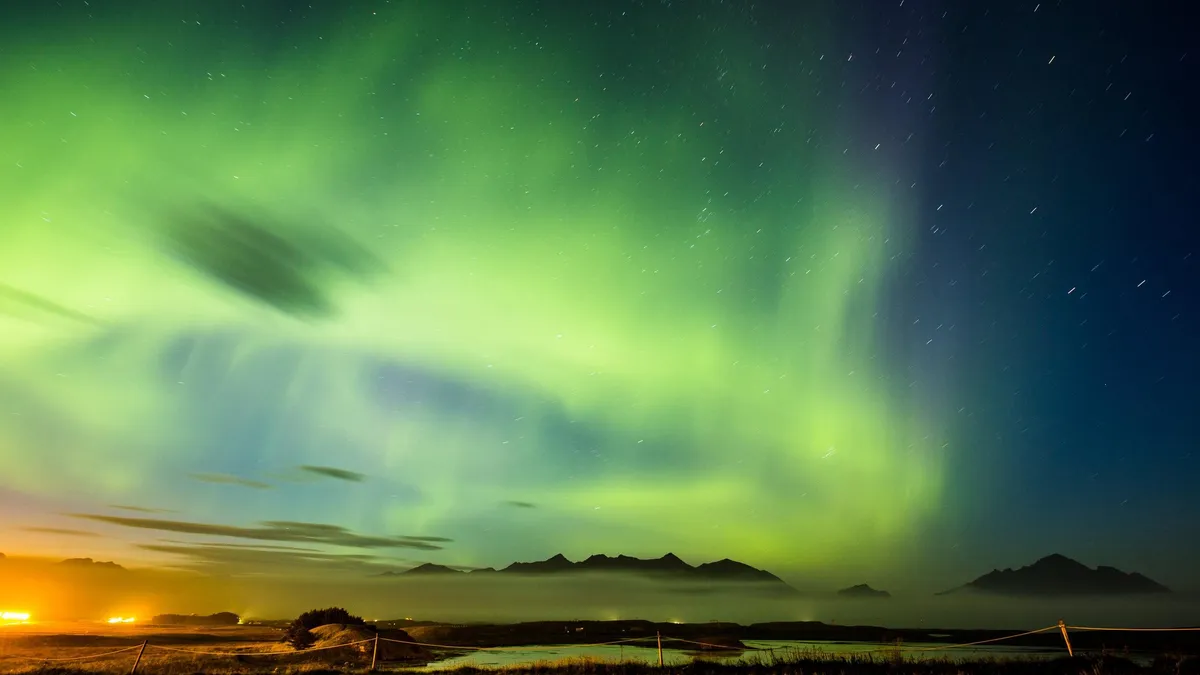
- Green – Oxygen at lower altitudes (most common)
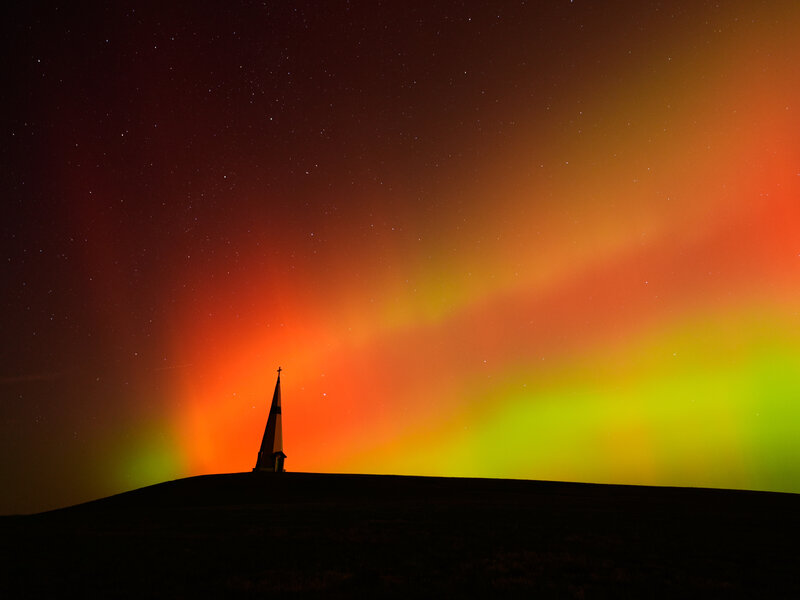
- Red – Oxygen at higher altitudes (strong storms)
- Pink – A blend of red and green emissions
- Purple/Blue – Nitrogen interactions (rarer but striking)
Historically, red auroras were often feared. Ancient civilizations believed they were signs of fire, war, or divine warnings. Today, scientists see them as markers of powerful space weather.
Why the Arctic Aurora Looks Better in Photos Than in Person
This is one of the most misunderstood aspects of auroras.
Many first-time viewers say:
“It didn’t look as bright as the photos.”
That doesn’t mean the aurora was weak—it means your eyes and cameras work differently.
Human vision prioritizes motion and contrast over faint color. Cameras, especially in night mode, collect light over time, revealing hues and structures invisible to the naked eye.
This is why:
- Auroras may appear gray or white in real life
- Photos reveal vivid greens and reds
- Time-lapse videos show dramatic motion
The camera isn’t exaggerating—the eye is simply limited.
Real-Life Stories: Why the Arctic Aurora Is Emotionally Powerful
Across the United States, people who never expected to see the aurora are describing deeply emotional experiences.
In Minnesota, families stand silently in snowy fields watching green waves ripple overhead. In Ohio, couples step outside thinking clouds are rolling in—only to realize the sky is glowing. In Missouri, parents wake their children in the middle of the night to witness something unforgettable.
Psychologists describe this response as awe—a feeling triggered by vastness and beauty that reshapes perspective.
People report:
- A sense of calm
- Emotional release
- Feeling connected to something larger than themselves
The Arctic Aurora doesn’t just light up the sky—it changes how people feel.
The Surprising Connection Between the Arctic Aurora and Modern Technology
Here’s something many Americans don’t know: strong auroras are linked to geomagnetic storms, which can affect modern technology.
During intense auroral events, the ionosphere becomes turbulent, which can temporarily impact:
- GPS accuracy
- Satellite communications
- Radio signals
- Airline routing near the poles
These effects are usually minor and short-lived, but they highlight how dependent modern life is on space conditions.
The same energy that creates beauty in the sky can ripple through the invisible systems we rely on every day.
Why Scientists Are Watching the Arctic Aurora More Closely Than Ever
To scientists, the aurora is more than a spectacle—it’s data.
Researchers use auroras to study:
- Solar wind behavior
- Earth’s magnetic field strength
- Upper atmospheric chemistry
- Space weather forecasting
Satellites and ground-based observatories monitor auroral activity to predict potential impacts on technology and infrastructure.
As solar activity increases, the Arctic Aurora becomes an early warning signal—not just a visual treat.
Best Times and Conditions to See the Arctic Aurora
Auroras are unpredictable, but patterns exist.
Ideal viewing conditions:
- Clear, dark skies
- Minimal light pollution
- A northern-facing horizon
Best viewing times:
- Typically between 10 PM and 2 AM local time
- Strong storms may produce earlier or later displays
Patience matters. Auroras often appear in waves, sometimes lasting only minutes.
Why This Decade Is Special for Aurora Watchers
Solar Cycle 25 is expected to peak around 2025–2026, meaning auroral activity will likely remain elevated for several more years.
Scientists expect:
- More frequent aurora alerts
- Increased southern visibility
- Brighter and more dynamic displays
For Americans, this could be the most aurora-active decade in a generation.
Common Myths About the Arctic Aurora—Debunked
Despite modern science, myths persist.
- Auroras are not caused by cold weather
- They do not make sound
- They are not dangerous
- They are not rare near the Arctic
Understanding these facts makes the experience even richer.
How to Experience the Arctic Aurora Without Traveling North
You don’t need to book a flight to Alaska.
Practical tips:
- Monitor aurora alerts and space-weather forecasts
- Use your phone’s night mode
- Get away from city lights if possible
- Give your eyes time to adjust
Many Americans who thought they “missed” the aurora later realized they saw it all along.
Why the Arctic Aurora Feels Especially Meaningful Right Now
In a world dominated by screens, deadlines, and stress, the Arctic Aurora offers something rare: a shared moment of wonder.
It pulls people outside.
It quiets conversations.
It reminds us we’re part of something vast and ancient.
That emotional resonance is why the aurora is captivating America in ways few expected.
Final Takeaway: What You Truly Didn’t Know About the Arctic Aurora
The Arctic Aurora is not just a light show.
It is:
- A planetary shield
- A scientific tool
- A cultural symbol
- An emotional experience
As auroras continue appearing across the U.S., Americans are rediscovering something ancient yet deeply relevant.
If the sky glows tonight, step outside.
Look up.
You may be witnessing far more than you realize.
Frequently Asked Questions (Trending Searches)
1. Why is the Arctic Aurora visible in the U.S. right now?
Because solar activity is increasing as we approach solar maximum.
2. Is the Arctic Aurora becoming more frequent?
Yes, during active solar cycles auroras appear more often.
3. Can auroras really reach the southern U.S.?
Yes, during strong geomagnetic storms.
4. What causes different aurora colors?
Different gases and altitudes in Earth’s atmosphere.
5. Why do phone cameras capture auroras better?
Cameras collect light over longer exposures.
6. Is the Arctic Aurora dangerous?
No, it is completely safe to watch.
7. Can auroras affect GPS or satellites?
Strong storms can temporarily reduce accuracy.
8. What time is best to see the aurora?
Usually between 10 PM and 2 AM local time.
9. Will auroras continue through 2026?
Yes, solar activity is expected to remain high.
10. Do auroras happen every night?
Yes—near the Arctic Circle, though not always visible.