This year’s solar maximum is driving an unprecedented surge in auroral activity across Earth’s skies. Powerful solar flares and coronal mass ejections are colliding with Earth’s magnetic field more frequently, producing brighter, longer-lasting, and farther-south auroras than usual. Scientists say this peak solar phase offers a rare window into how the Sun directly shapes Earth’s atmosphere, technology, and night skies.
A Rare Solar Moment That Has Been Building for More Than a Decade
The Sun may look calm from 93 million miles away, but beneath its glowing surface lies an ever-changing magnetic engine. For more than ten years, solar physicists have been watching subtle signs that something big was coming. Slowly increasing sunspot counts, shifting magnetic fields, and intensifying solar eruptions all pointed toward a powerful peak.
Now that moment has arrived.
This year’s solar maximum is fully active, and its effects are impossible to ignore. Auroras are appearing more frequently, glowing more intensely, and reaching places where many Americans never expected to see them. Communities that once relied on travel documentaries to witness the Northern Lights are now stepping into their backyards and seeing cosmic colors overhead.
This is not a once-off coincidence. It is the natural result of the Sun reaching the most energetic phase of its long-term cycle.
What Is Solar Maximum and Why Does It Matter So Much Right Now
Understanding the Solar Cycle Without the Jargon
The Sun operates on an approximately 11-year solar cycle. During this cycle, solar activity rises and falls as the Sun’s magnetic field gradually twists, flips, and resets itself.
There are two main phases:
- Solar minimum, when activity is relatively quiet
- Solar maximum, when activity peaks dramatically
During solar maximum, the Sun produces more:
- Sunspots
- Solar flares
- Coronal mass ejections (CMEs)
- Energetic radiation
This year marks the peak of Solar Cycle 25, and scientists say it has exceeded early expectations.
Real-life example:
During the last solar maximum more than a decade ago, auroras were noticeable but less frequent in the continental US. This cycle, however, has already produced repeated widespread auroral displays, suggesting stronger or better-aligned solar storms.
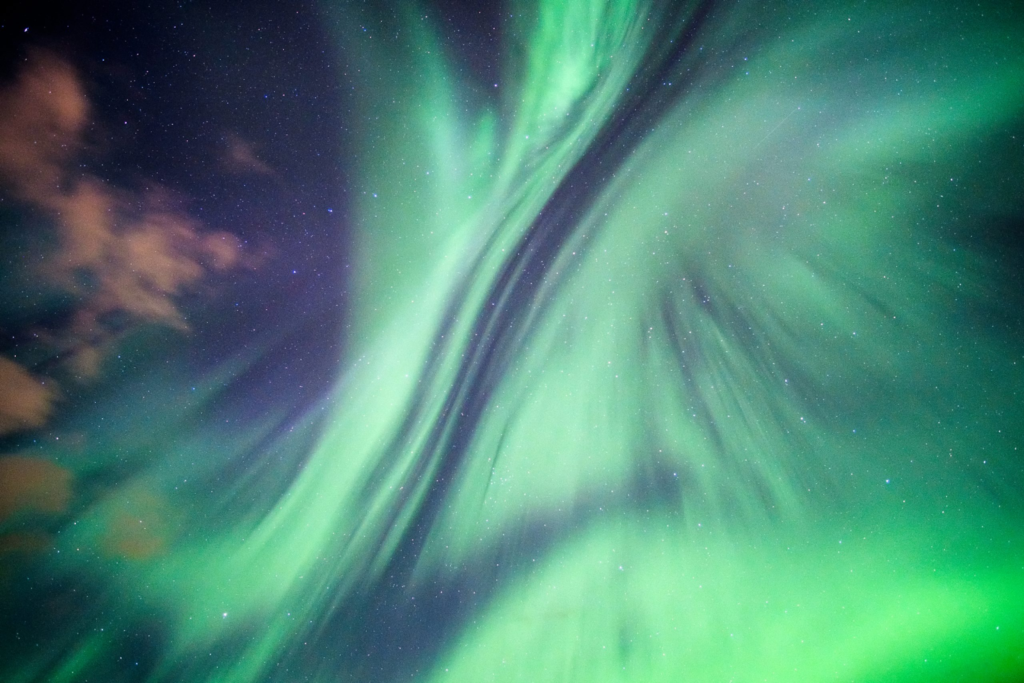
Why This Years Solar Maximum Is Stronger Than Many Scientists Expected
Not all solar cycles behave the same way. Some peak gently. Others surge with explosive energy.
This cycle stands out for several reasons:
- Sunspot numbers rose faster than predicted
- Solar flares have been more frequent
- CMEs have been better aligned toward Earth
- Magnetic interactions have produced stronger geomagnetic storms
NASA and NOAA data show repeated G3, G4, and even G5-level geomagnetic storms, levels capable of producing auroras far beyond polar regions.
How Solar Flares and CMEs Actually Create Auroras
Auroras do not begin in Earth’s sky. They begin on the Sun.
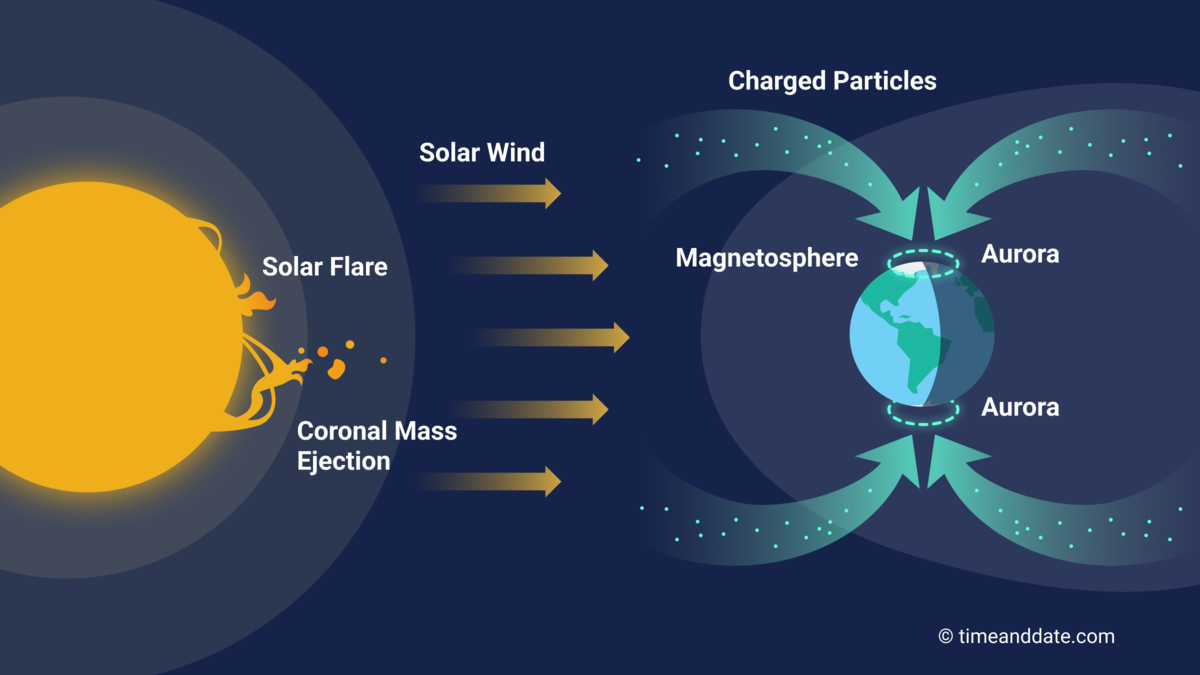
When a solar flare or CME erupts, it launches charged particles into space at speeds exceeding a million miles per hour. If Earth lies in their path, those particles encounter our planet’s magnetic field.
When conditions align correctly, energy flows into Earth’s upper atmosphere, where it excites oxygen and nitrogen atoms. As those atoms release energy, they emit light—creating auroras.
During solar maximum, this process happens more often and more violently.
Why Auroras Are Exploding Across the Sky This Year
Earth’s Magnetic Field Is Being Overwhelmed More Often
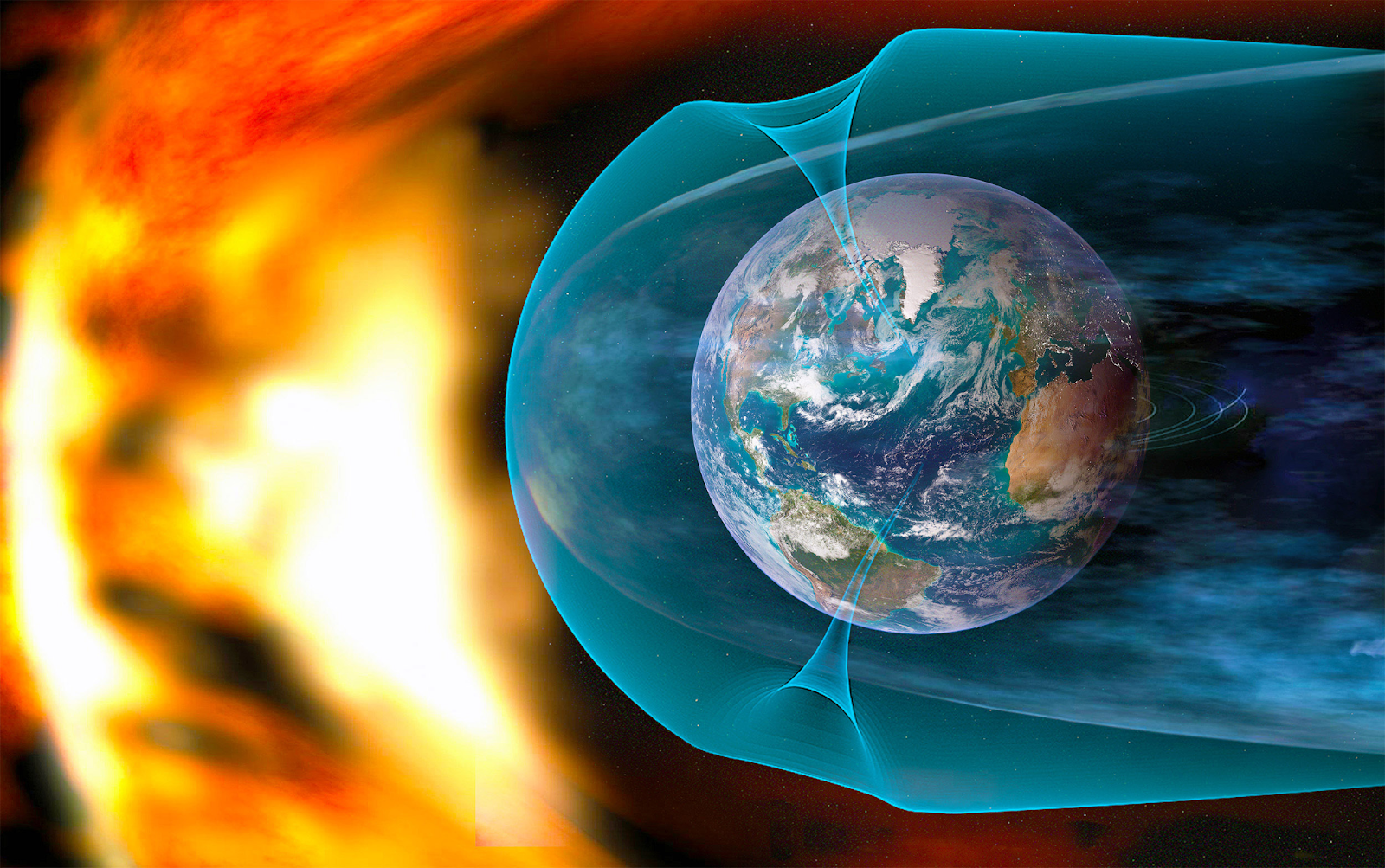
Earth’s magnetic field usually shields us well, guiding solar particles toward the poles. But during strong solar storms, that shield temporarily reshapes itself.
This allows auroras to:
- Expand toward lower latitudes
- Brighten dramatically
- Persist for longer periods
Real-life example:
During a recent geomagnetic storm, auroras were reported across multiple US states at the same time—something that rarely happens outside solar maximum years.
What Colors Are Dominating This Years Auroras and Why
Solar maximum auroras often show a richer palette of colors due to increased energy levels.
Observers have reported:
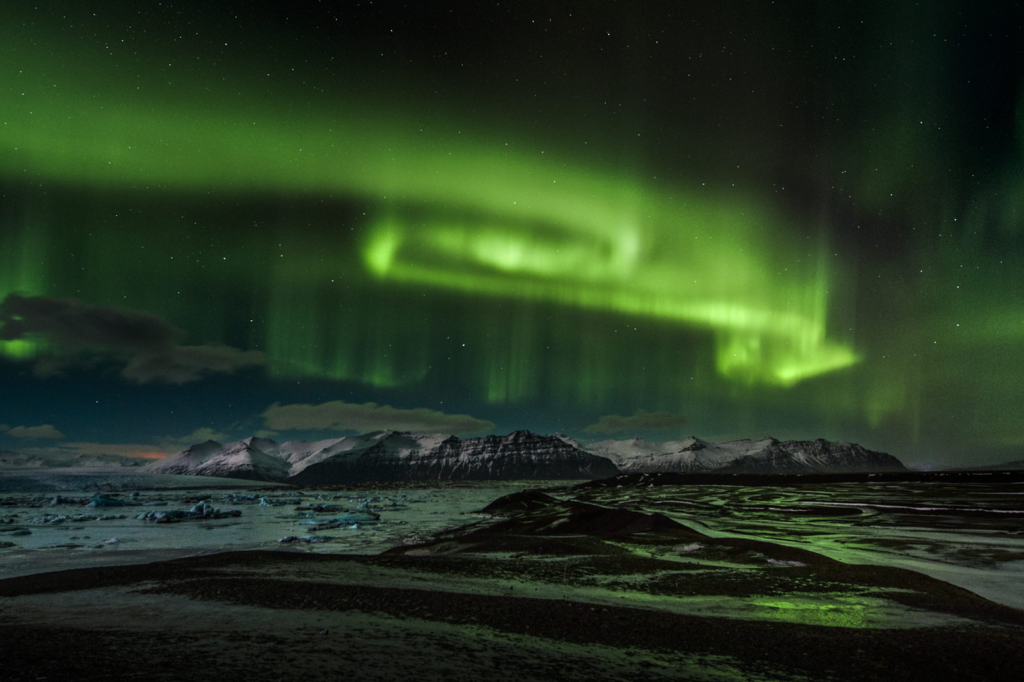
- Bright green curtains from oxygen at lower altitudes
- Deep red glows from high-altitude oxygen
- Pink and purple hues from nitrogen
- Occasional white flashes during peak storms
These intense colors are a direct reflection of stronger solar energy reaching Earth’s atmosphere.
Why More Americans Are Seeing Auroras Than Ever Before
Two forces are converging:
- Stronger solar activity
- Better observation tools
Smartphones, digital cameras, and real-time aurora maps allow people to detect auroras that once went unnoticed.
Real-life example:
A faint reddish glow might have been ignored in the past. Today, a single photo reveals it as a genuine aurora, prompting people to look up again.
How Far South Auroras Are Reaching During This Solar Maximum
While auroras remain strongest near the poles, this solar maximum has pushed them farther south during major storms.
Frequently reported states include:
- Minnesota
- Michigan
- Wisconsin
- Montana
- North Dakota
During stronger events, auroras have extended into:
- Ohio
- Pennsylvania
- New York
- Iowa
- Missouri
In rare cases, faint auroras have even been captured farther south using cameras.
Why Some Solar Storms Are More Powerful Than Others
Not every solar eruption produces dramatic auroras. The most impactful storms share specific characteristics:
- High solar wind speed
- Dense particle clouds
- Southward-oriented magnetic fields
When these elements combine, Earth’s magnetosphere absorbs more energy, amplifying auroral displays.
This year has produced an unusually high number of well-aligned storms.
Why Solar Maximum Matters Beyond Beautiful Skies
Auroras are visually stunning, but they also signal heightened space weather.
Strong solar activity can affect:
- Electrical power grids
- GPS accuracy
- Satellite orbits
- Aviation communications
- Radio transmissions
Real-life example:
The famous 1989 geomagnetic storm caused a massive blackout in Quebec. Modern infrastructure is more resilient, but solar maximum years still require careful monitoring.
Are Auroras Dangerous to Watch During Solar Maximum
No. Auroras are completely safe to observe.
They occur high above Earth’s atmosphere and pose no risk to people on the ground. The dangers associated with solar maximum involve technology—not human health.
How Scientists Monitor Solar Maximum Activity in Real Time
Scientists rely on a global network of instruments, including:
- Solar observatories tracking flares
- Satellites measuring solar wind
- Ground-based magnetometers
- Atmospheric light sensors
This data allows scientists to issue space-weather alerts and aurora forecasts with increasing accuracy.
How Solar Maximum Is Changing Aurora Forecasting
Forecasting auroras during solar maximum is both easier and harder.
- Easier because activity is frequent
- Harder because storms evolve rapidly
Modern forecasting now depends on:
- Live data streams
- Advanced computer models
- Public observation reports
Together, these tools significantly improve short-term accuracy.
What This Solar Maximum Is Teaching Scientists About the Sun
This year’s activity reinforces key lessons:
- The Sun is highly dynamic
- Magnetic complexity drives unpredictability
- Each solar cycle is unique
These insights improve long-term space-weather modeling and planetary science.
How Long Will This Solar Maximum Last
Solar maximum does not end suddenly.
Scientists expect:
- Elevated activity for another year or more
- Gradual decline afterward
- Occasional strong storms even as activity fades
Auroras will remain more common during this period.
How Americans Can Make the Most of Solar Maximum
This period offers rare skywatching opportunities.
To take advantage:
- Monitor aurora forecasts
- Learn basic space-weather indicators
- Keep a camera ready
- Be patient and consistent
Real-life example:
Experienced aurora watchers say solar maximum rewards persistence more than luck.
Why Solar Maximum Feels Emotionally Powerful
Watching auroras knowing they are driven by the Sun’s peak energy creates a unique emotional response.
People often describe:
- A sense of connection to space
- Awe at witnessing cosmic forces
- Shared moments with family and neighbors
Solar maximum turns the night sky into a shared human experience.
What Happens After Solar Maximum Ends
As the cycle declines:
- Solar activity decreases
- Auroras become less frequent
- Storms weaken
But the data collected during this peak will shape research for decades.
10 Frequently Asked Questions About This Years Solar Maximum
What is solar maximum
It is the most active phase of the Sun’s 11-year cycle
Why are auroras stronger this year
Because solar activity and storm alignment are higher
How long does solar maximum last
Typically one to two years at peak levels
Can auroras be seen in the US during solar maximum
Yes especially in northern and sometimes central states
Are auroras related to climate change
No they are caused by solar activity
Is it safe to watch auroras
Yes completely safe
Why do auroras show more colors during solar maximum
Stronger energy excites more atmospheric gases
Can solar maximum affect technology
Yes it can impact power grids and satellites
How can I track aurora activity
Using space-weather forecasts and real-time aurora maps
Will the next solar maximum be the same
No every solar cycle is different
The Bigger Picture Why This Solar Maximum Truly Matters
This year’s solar maximum is more than a scientific milestone. It is a reminder that Earth exists within a powerful and dynamic solar system.
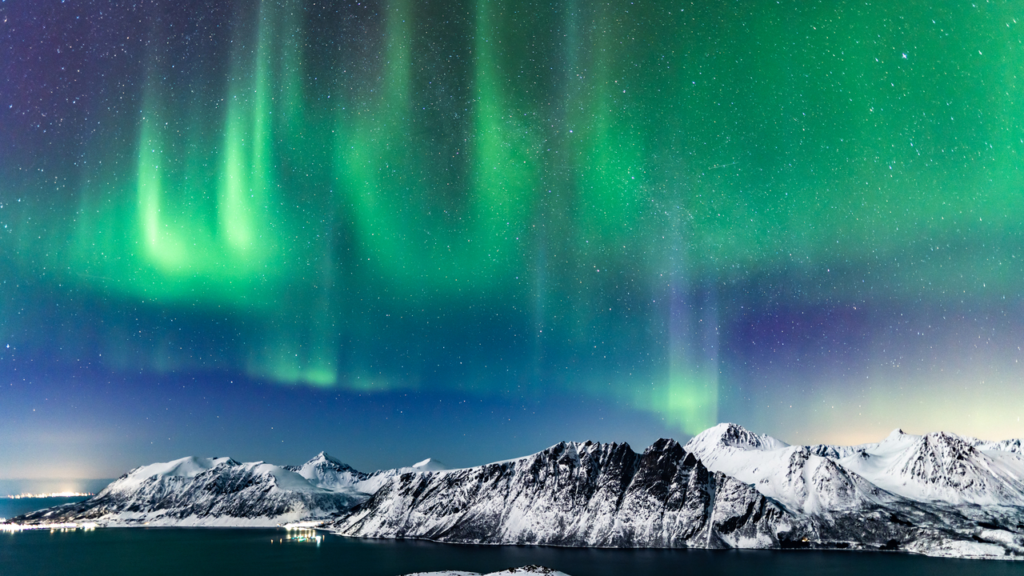
Auroras exploding across the sky are visible proof of an invisible relationship between the Sun and our planet. They show that even in a modern, technology-driven world, cosmic forces still shape our lives.
For scientists, this solar maximum is a treasure trove of data.
For the public, it is a rare chance to witness the Sun’s power firsthand.
Final Takeaway
This year’s solar maximum is delivering spectacular results. Auroras are brighter, more frequent, and more widespread than many people have ever seen.
Understanding the science behind these displays makes them even more meaningful. They are not random lights—they are the visible signature of a star at the height of its power.
Look up while you can. Solar maximum moments like this are rare, and they leave lasting impressions.