You don’t need a passport—or Alaska—to see the Northern Lights anymore. Thanks to heightened solar activity and America’s vast dark-sky regions, auroras are appearing across the lower 48 more often than most people realize. This in-depth guide reveals five real U.S. locations where aurora sightings genuinely happen, explains why these places work scientifically, and shows how Americans are successfully witnessing the lights close to home.
The Northern Lights Myth That’s Finally Breaking in America
For decades, the Northern Lights felt out of reach for most Americans. If you wanted to see them, the logic was simple: travel to Alaska, Iceland, or Scandinavia. The lower 48 states were rarely part of the conversation, except in stories about extremely rare events.
That belief is now outdated.
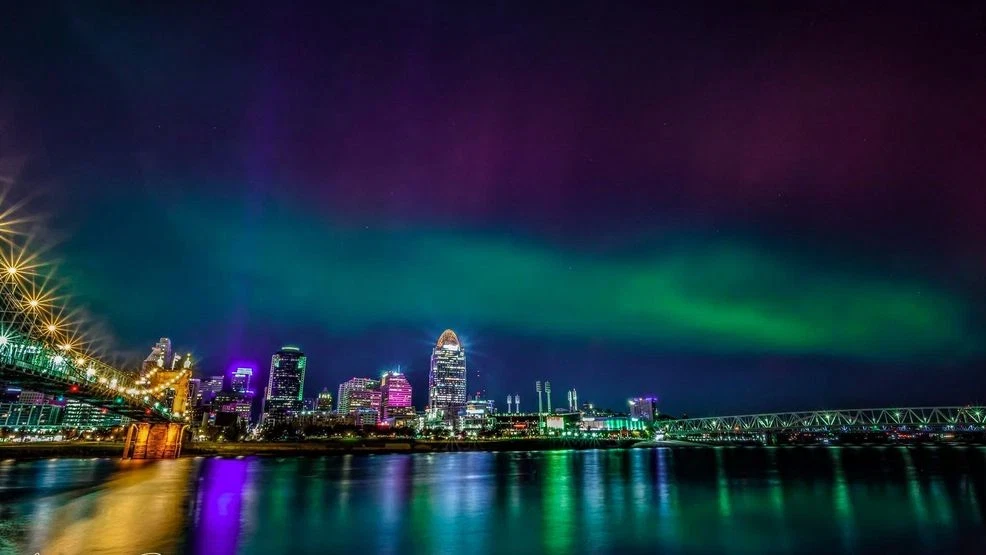
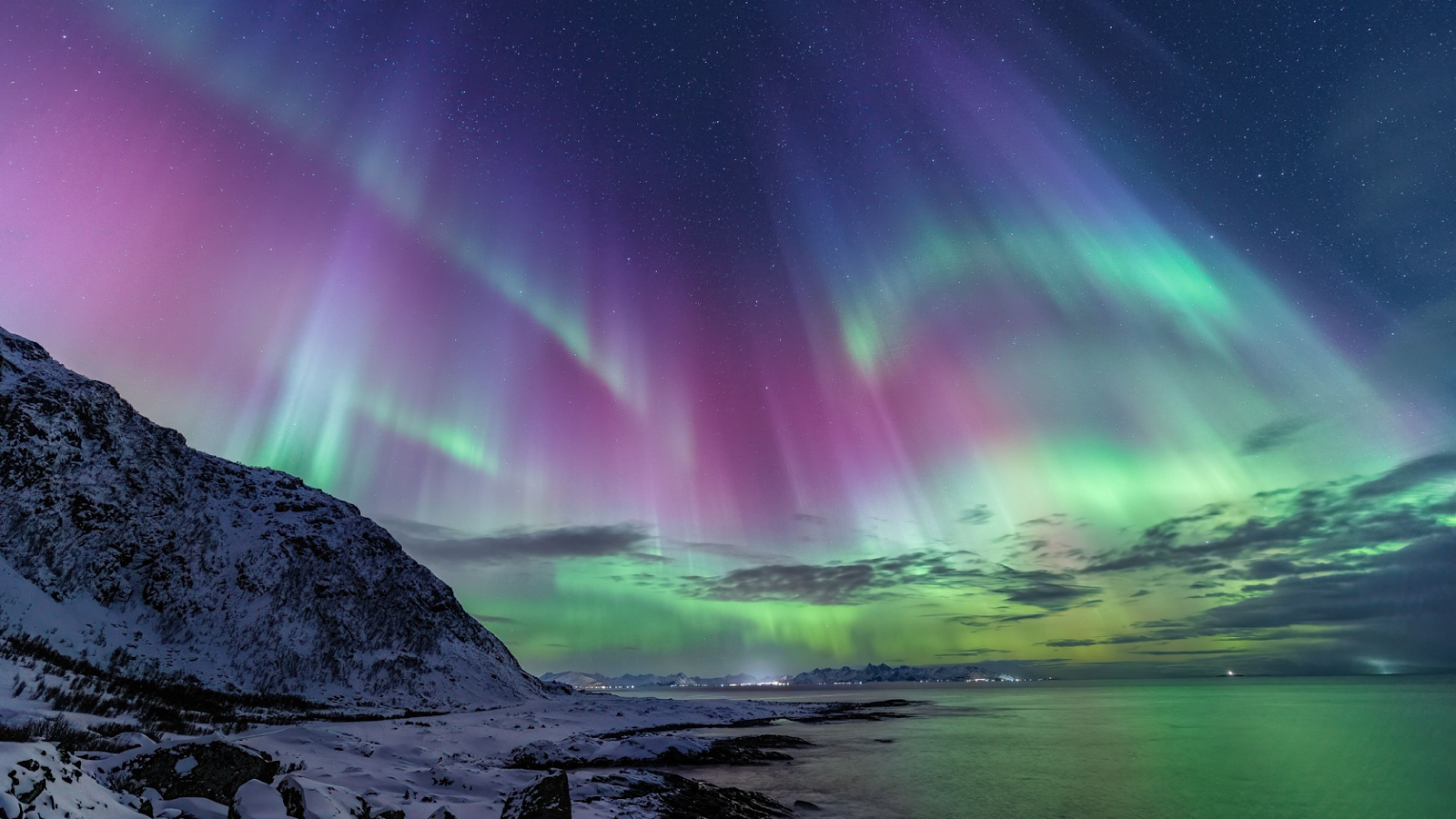
Across the United States, people are stepping outside on cold, quiet nights and seeing something they never expected: green curtains shimmering across the sky, faint purple glows hovering above lakes, and slow waves of light moving like living things overhead. These aren’t illusions, camera tricks, or once-in-a-century miracles. They are auroras—real, documented, naked-eye auroras—appearing in the continental U.S.
The reason this feels shocking is simple: most people were never told it was possible.
But science, geography, and timing are now aligning in a way that makes the aurora increasingly accessible in the lower 48. And no, you don’t need a passport to see it.
Why the Aurora Is Showing Up in the Lower 48 More Than Ever
Before diving into specific places, it’s important to understand why this is happening now.
The Sun operates on an 11-year solar cycle, alternating between calm and highly active phases. We are currently approaching the peak of Solar Cycle 25, a period marked by increased sunspots, solar flares, and powerful eruptions known as coronal mass ejections (CMEs).
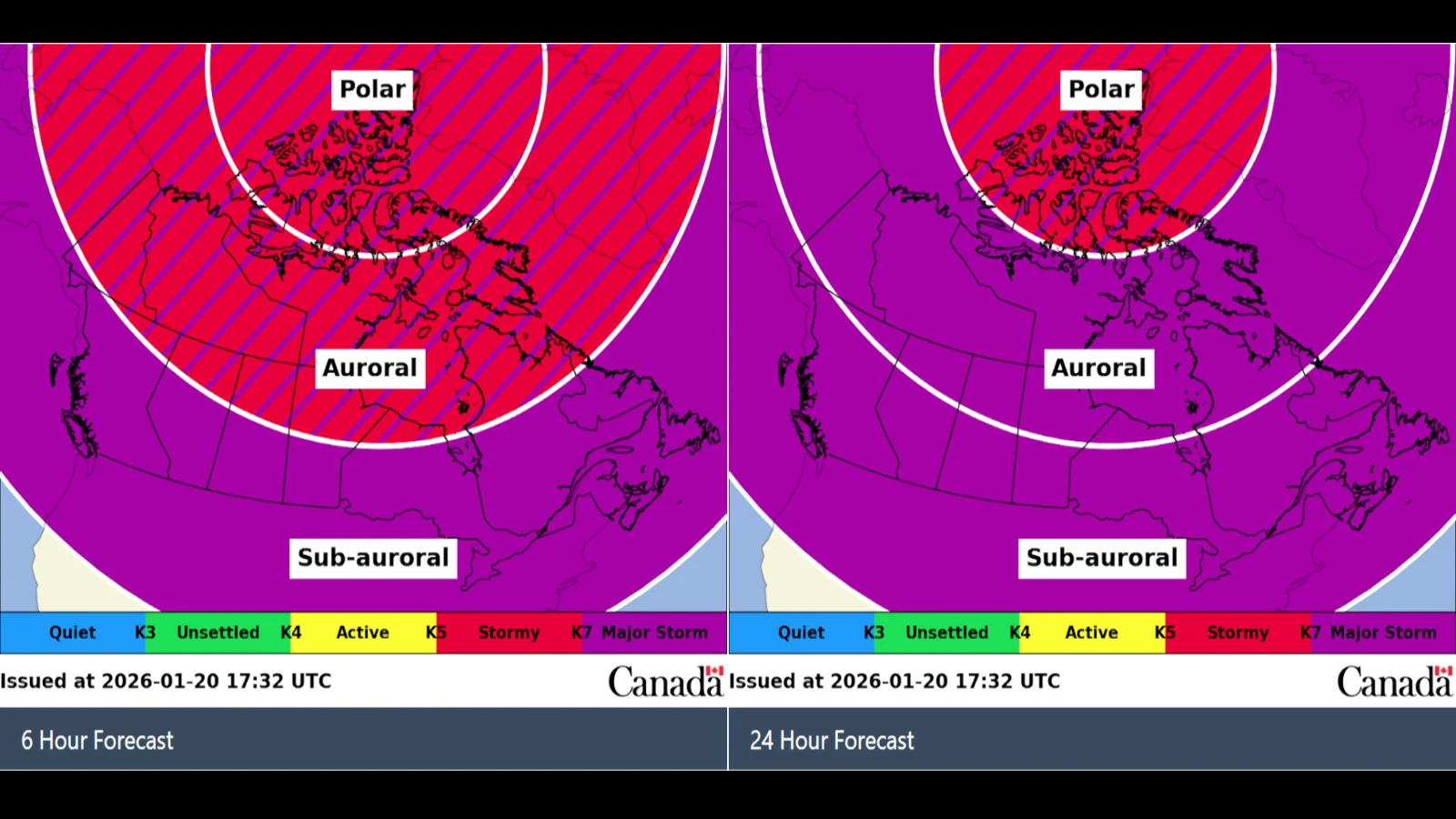
When a CME is aimed directly at Earth, it interacts with our planet’s magnetic field, triggering geomagnetic storms. Strong storms expand the auroral oval—the invisible ring around Earth’s poles where auroras occur—pushing it farther south than usual.
According to NOAA’s Space Weather Prediction Center, recent storms have reached G4 (severe) and even G5 (extreme) levels. These are powerful enough to produce auroras deep into the continental United States.
In simple terms:
The Sun is unusually active, and Earth’s sky is responding.
What Actually Makes a Lower-48 Location Good for Aurora Viewing?
Not every northern U.S. location suddenly becomes an aurora hotspot during solar maximum. The places where auroras are actually seen share several critical characteristics.
Strong lower-48 aurora locations typically have:
- Low light pollution
- Northern latitude
- Wide, open horizons
- Cold, dry air
- Dark-sky protection or remote geography
The five places below consistently meet these conditions and have real-world aurora sightings to prove it.
1. Voyageurs National Park, Minnesota
The Best Overall Aurora Spot in the Lower 48
If there is one place in the continental U.S. that feels purpose-built for aurora viewing, it’s Voyageurs National Park.
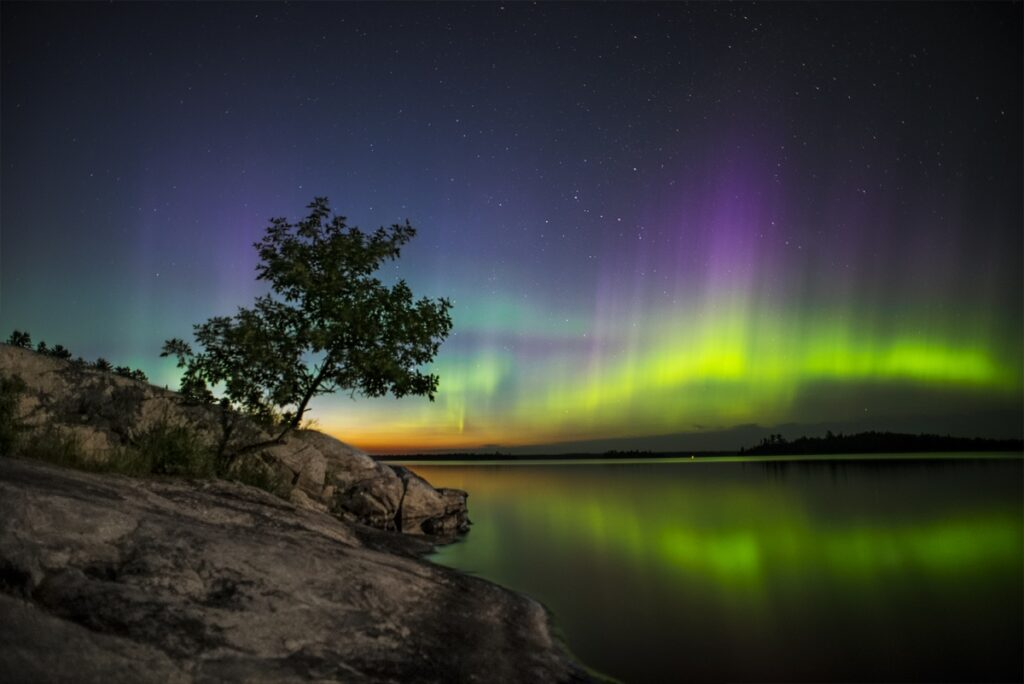
Located along the U.S.–Canada border in northern Minnesota, Voyageurs sits at an ideal latitude and is defined by vast, interconnected lakes. These lakes act like mirrors, reflecting auroral light and doubling the visual impact.
Visitors regularly report auroras here that are:
- Clearly visible to the naked eye
- Bright enough to reflect on water
- Structured, colorful, and long-lasting
Real-life example: During a recent severe geomagnetic storm, campers reported standing along frozen shorelines watching green and purple auroras ripple overhead for nearly an hour—without cameras.
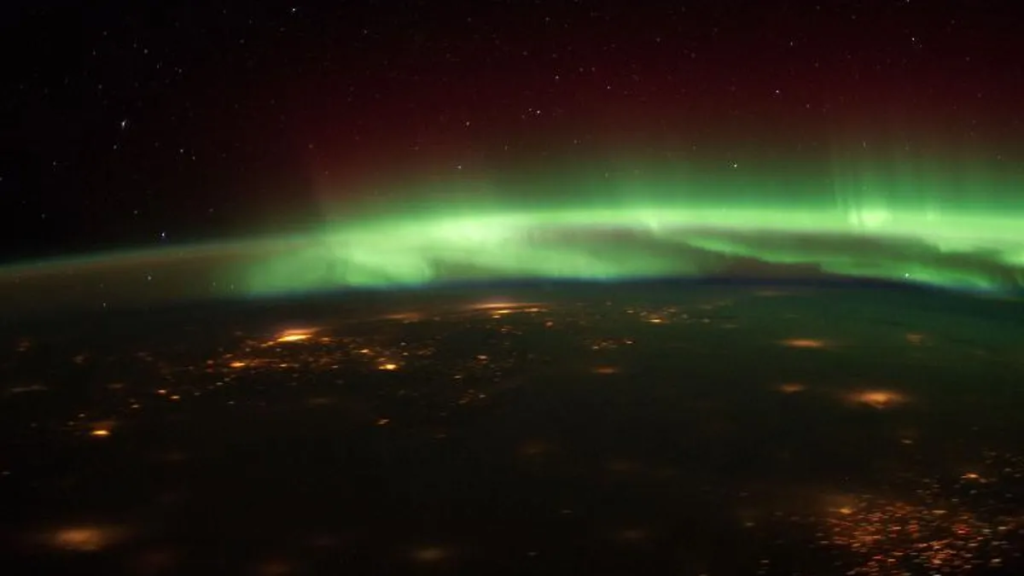
Why Voyageurs stands out:
- Exceptionally low light pollution
- Northern positioning within the lower 48
- Water-based reflections enhance brightness
- National park protection preserves darkness
If you’re serious about seeing the aurora without leaving the country, Voyageurs is the gold standard.
2. Upper Peninsula of Michigan (Marquette & Lake Superior Shore)
Michigan’s Upper Peninsula is one of the darkest regions east of the Mississippi River—and the Marquette area is perfectly positioned for aurora viewing.
Sitting along Lake Superior’s southern shore, Marquette benefits from vast, dark northern horizons over open water. When auroras appear, there’s little light pollution to interfere, and the lake amplifies visibility.
Locals and visitors frequently document:
- Green arcs stretching across the horizon
- Moving auroral curtains above snowy forests
- Occasional purple and red hues during strong storms
Real-life example: During a recent geomagnetic storm, first-time aurora watchers in Marquette described seeing “waves of green light moving like smoke” directly overhead.
Why the Upper Peninsula works:
- Extremely low population density
- Lake Superior’s dark horizon
- Northern latitude advantage
- Frequent clear skies after winter cold fronts
For many Americans, this is where they see their first aurora ever.
3. Northern North Dakota (Including Theodore Roosevelt National Park)
North Dakota doesn’t get enough credit for its skies.
Northern North Dakota offers vast, open plains with almost no artificial light. In places like Theodore Roosevelt National Park, auroras stretch across the sky with dramatic scale and clarity.
Unlike forested regions, the plains provide uninterrupted views from horizon to horizon. When auroras appear, they feel massive and immersive.
Real-life example: During a powerful storm, photographers captured auroras dancing above the park’s rugged badlands—images that looked more like Iceland than the Midwest.
Why northern North Dakota belongs on this list:
- Exceptionally low light pollution
- Wide, open horizons
- Northern latitude
- National park darkness
This region proves that auroras don’t need mountains or coastlines—just darkness and sky.
4. Northern Minnesota (Duluth & International Falls)
Minnesota has quietly become one of the most aurora-friendly states in the lower 48.
Duluth, located along Lake Superior, benefits from dark skies over water and a latitude that allows auroras during moderate to strong storms. Farther north, International Falls sits near the Canadian border and boasts one of the highest aurora probabilities outside Alaska.
Residents in these areas frequently report:
- Auroras visible directly overhead
- Multi-hour displays during strong storms
- Clear naked-eye visibility without special equipment
Why northern Minnesota stands out:
- High latitude within the lower 48
- Lake Superior reflections
- Cold, dry winter air
- Frequent aurora alerts during solar maximum
This region consistently delivers real results—not just hopeful forecasts.
5. Northern Maine (Aroostook County)
The East Coast’s Best Aurora Secret
Auroras aren’t limited to the Midwest.
Northern Maine sits at a latitude comparable to parts of Minnesota and Michigan, yet it’s often overlooked. Aroostook County offers rural landscapes, long winter nights, and some of the darkest skies on the East Coast.
Residents have reported:
- Green and pink glows above open fields
- Auroras visible from backyards
- Wide horizon displays during severe storms
Real-life example: During a strong geomagnetic storm, multiple residents shared naked-eye aurora sightings across northern Maine—something unheard of just a decade ago.
Why northern Maine works:
- Rare dark skies on the East Coast
- Northern latitude
- Long winter nights
- Increasing aurora reach during solar maximum
For East Coast residents, this is the most realistic aurora option without flying west.
When Is the Best Time to See the Aurora in the Lower 48?
Timing matters just as much as location.
Best Conditions for Lower-48 Aurora Viewing
- Strong geomagnetic storms (Kp index 6 or higher)
- Clear skies with minimal cloud cover
- Little to no moonlight
- Prime window: 10 PM to 2 AM
Winter offers longer darkness, but fall and early spring can also deliver incredible displays under the right conditions.
Common Mistakes First-Time Aurora Viewers Make
Many people miss auroras not because they weren’t there—but because of avoidable mistakes.
Common errors include:
- Leaving after 20 minutes
- Staying near city lights
- Ignoring cloud forecasts
- Expecting guaranteed displays
Auroras often appear suddenly and fade just as quickly. Patience is essential.
What You Actually Need to See the Aurora (And What You Don’t)
You DO need
- Dark skies
- Clear weather
- Warm clothing
- Patience
You DON’T need
- A passport
- Expensive tours
- Special glasses
- Professional cameras
Strong auroras are visible with the naked eye.
Why More Americans Are Choosing Domestic Aurora Trips
Travel habits are changing.
Instead of:
- Expensive international travel
- Crowded aurora tours
- Unpredictable overseas weather
Americans are choosing:
- National parks
- Quiet rural areas
- Road trips within the U.S.
Seeing the aurora without leaving the country feels both practical and magical.
Frequently Asked Questions (Trending in the U.S.)
1. Can you really see the Northern Lights in the lower 48?
Yes. During strong solar storms, auroras are visible in several northern U.S. states.
2. Do you need a camera to see them?
No. Strong auroras are visible to the naked eye.
3. Why do auroras look better in photos?
Cameras capture long exposures that enhance color.
4. Are auroras dangerous?
No. Auroras are completely safe to observe.
5. How often do auroras appear this far south?
More frequently during solar maximum (2024–2026).
6. Can auroras appear suddenly?
Yes. They can begin within minutes.
7. Which direction should I look?
North, ideally over open land or water.
8. Do clouds ruin aurora viewing?
Yes. Clear skies are essential.
9. Is winter the best season?
Winter offers longer nights, but auroras occur year-round.
10. Is this the best aurora period in decades?
For the lower 48, it’s among the strongest in 20+ years.
The Bigger Picture: Why This Moment Matters
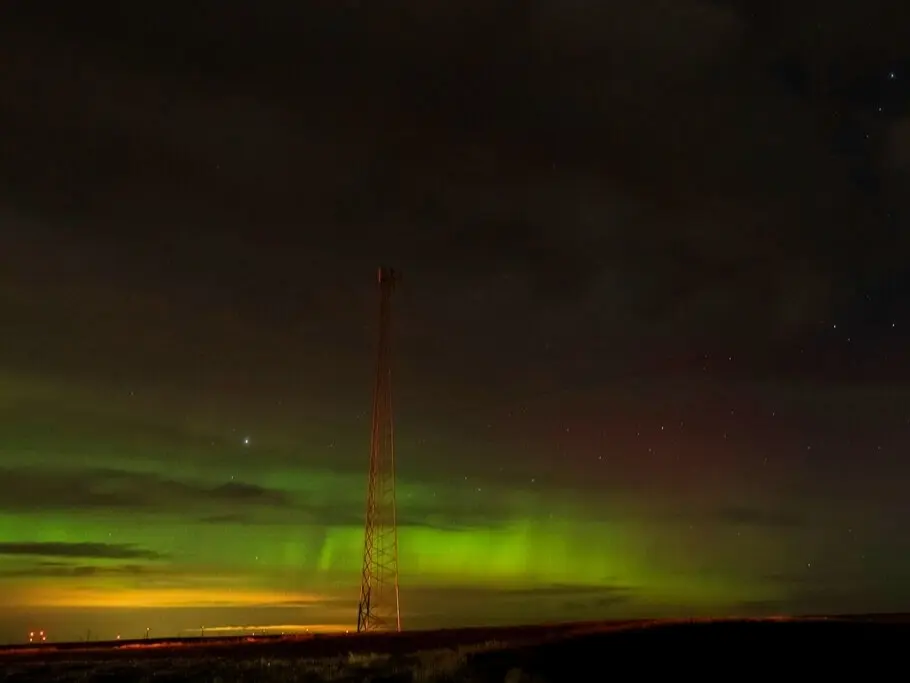
Auroras appearing in the lower 48 aren’t just a travel bonus—they’re a reminder.
They remind us that Earth is part of a vast cosmic system shaped by the Sun’s rhythms. For many Americans, seeing the Northern Lights for the first time—without leaving the country—is deeply emotional.
People describe it as:
- Humbling
- Surreal
- Life-changing
Once you’ve seen the sky move, it never quite feels the same again.
Final Takeaway
You don’t need a passport to see the Northern Lights anymore.
Thanks to heightened solar activity and America’s remaining dark skies, auroras are now a realistic experience in several lower-48 locations. With the right timing, patience, and place, one of nature’s most extraordinary displays is closer than most people ever imagined.
The only question left is simple:
Where will you be when the sky lights up?