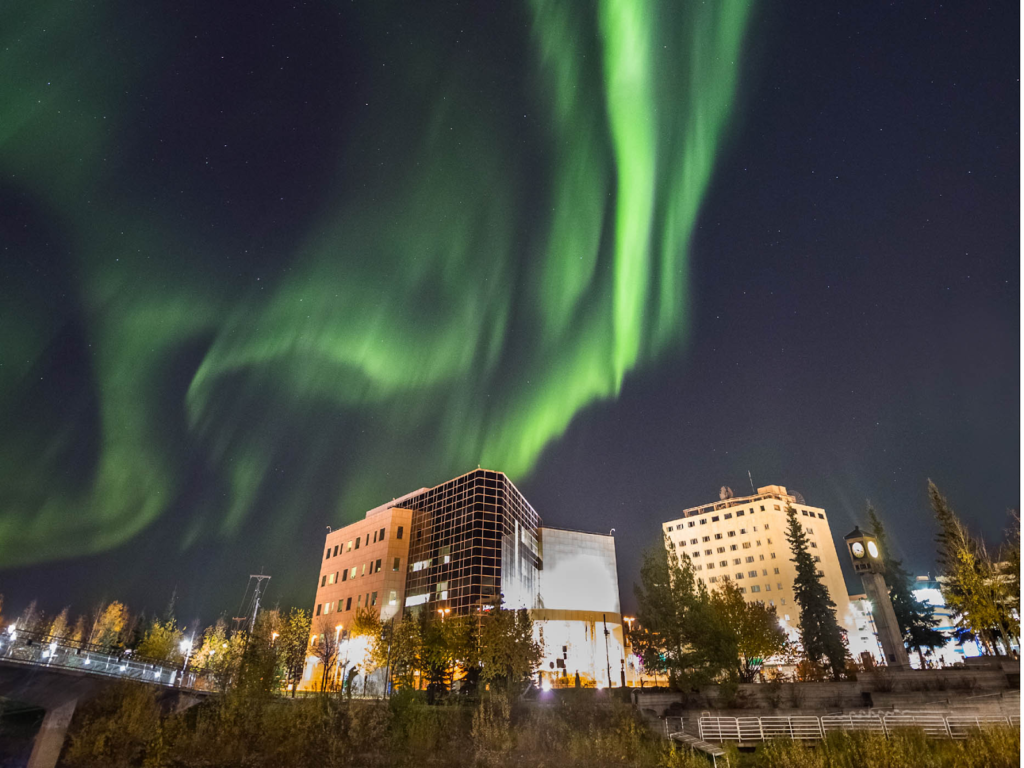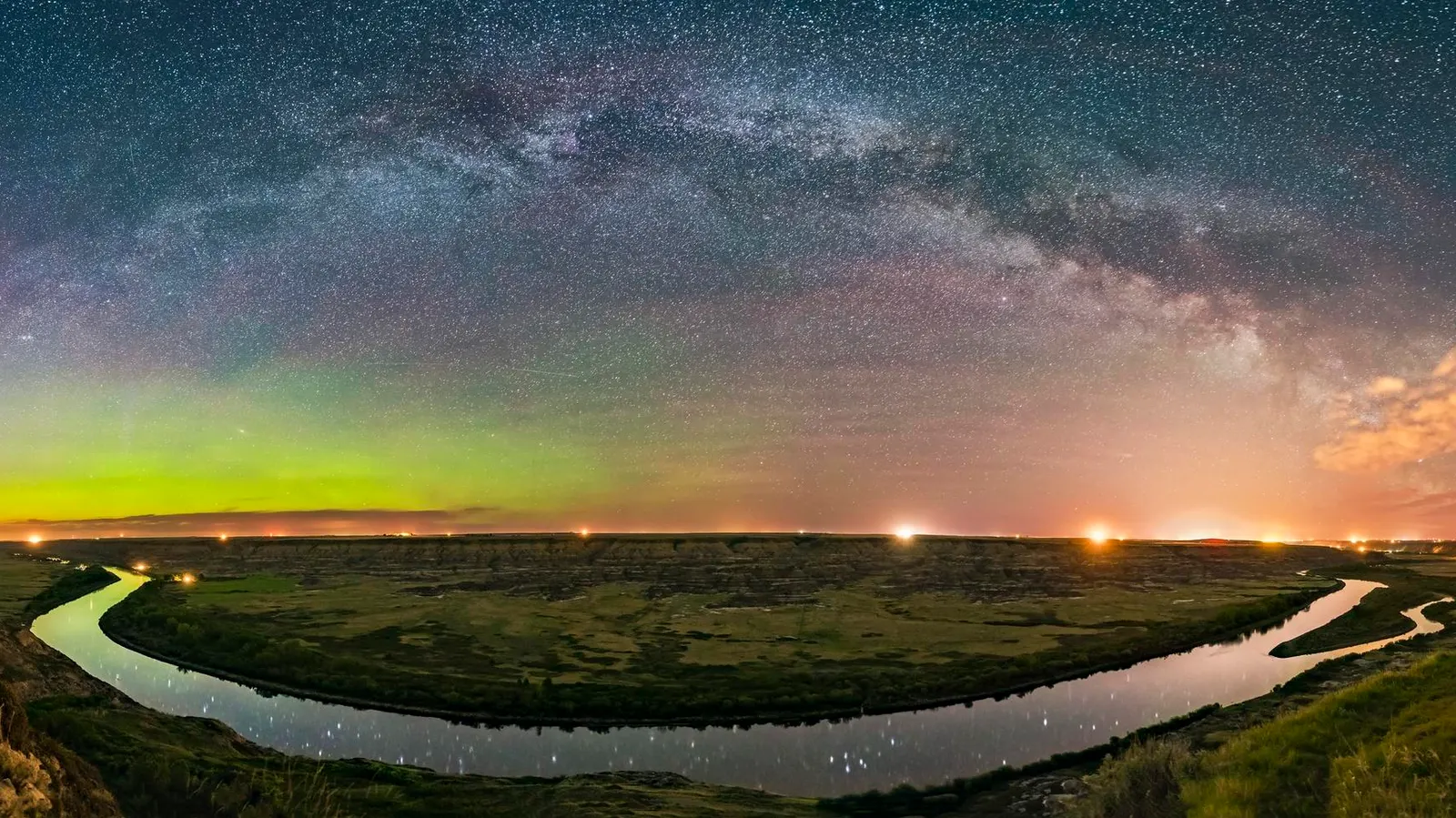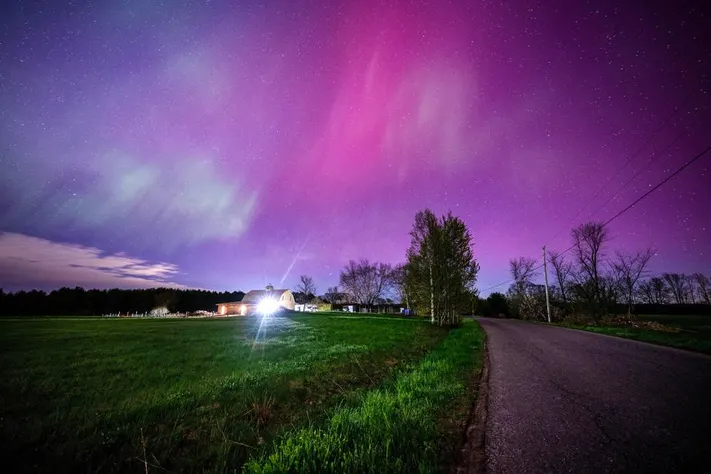
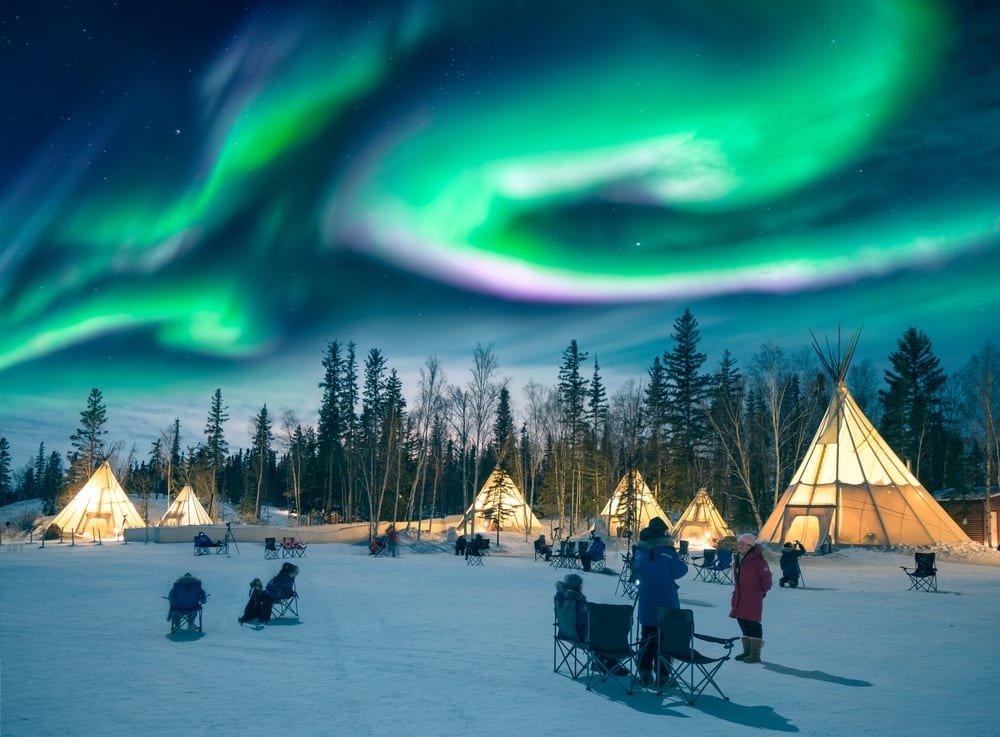
Aurora chasers are quietly abandoning crowded Alaska hotspots and heading toward overlooked U.S. destinations where the northern lights are appearing more frequently. From remote valleys in Idaho to frozen farmland in Maine, heightened solar activity is turning unexpected American locations into prime aurora territory. This guide reveals where chasers are going, why these places work, and how you can experience the lights without leaving the Lower 48.
Introduction: A Silent Shift in the Aurora World
For years, aurora chasing followed a familiar map. Alaska was the prize. Fairbanks was the goal. If you wanted to see the northern lights in the United States, you booked flights north, braced for extreme cold, and hoped the clouds would cooperate.
But something has changed—quietly, steadily, and unmistakably.
Across the United States, experienced aurora chasers are rethinking everything. They are skipping Alaska altogether and packing their bags for places most Americans would never associate with auroras. These destinations don’t appear in glossy travel brochures. They don’t advertise “aurora tours.” In many cases, even the locals don’t realize what’s happening above their own rooftops.
What’s driving this shift isn’t trendiness or social media hype. It’s physics, timing, and opportunity. Solar Cycle 25 is delivering stronger-than-expected geomagnetic storms, pushing auroras farther south and making off-radar U.S. locations suddenly irresistible.
For aurora chasers who value solitude, authenticity, and raw night-sky experiences, America has quietly become one of the most exciting aurora landscapes in the world.
Why Aurora Chasers Are Looking Beyond Alaska
Aurora chasers don’t chase destinations—they chase conditions. And right now, conditions across the Lower 48 are aligning in ways they haven’t for decades.
According to NASA and the NOAA Space Weather Prediction Center, the Sun is deep into Solar Cycle 25, an active phase of its roughly 11-year cycle. This cycle has produced more intense solar flares and coronal mass ejections (CMEs) than scientists originally predicted.
When these charged solar particles strike Earth’s magnetic field, they trigger geomagnetic storms. During moderate to strong storms, the auroral oval expands southward—sometimes dramatically.
For aurora chasers, this means:
- More opportunities outside Alaska
- Greater flexibility in travel
- Less competition for viewing spots
- New photographic and visual experiences
In many cases, these off-radar U.S. destinations deliver auroras just as vivid—and sometimes more emotionally powerful—than traditional aurora hubs.
What Aurora Chasers Look for in an Off-Radar Destination
Experienced aurora chasers don’t rely on luck alone. They analyze landscapes, geography, and sky conditions before committing to a destination.
Ideal off-radar aurora destinations usually share:
- Very low light pollution
- Wide, open views of the northern horizon
- Cold, clear nighttime air
- Low population density
- Easy road access for spontaneous travel
Many of these places exist far from cities, tucked into rural America, where darkness still dominates and the sky remains largely untouched.
Idaho: The Quiet Mountain Aurora State
Idaho has emerged as one of the most quietly respected states among seasoned aurora chasers. It doesn’t advertise itself as an aurora destination, and that’s precisely why chasers love it.
Why Idaho Works So Well
Northern and central Idaho combine several advantages:
- Higher elevations that reduce atmospheric haze
- Extensive wilderness with almost no artificial light
- Favorable latitude during strong geomagnetic storms
Where Chasers Are Going in Idaho
- Remote valleys near the Montana border
- High desert plateaus far from highways
- Isolated forest lakes surrounded by mountains
Real-Life Example
A veteran aurora photographer from Washington described one of his most memorable aurora nights occurring not in Alaska, but near a remote Idaho lake. Green curtains rose behind dark pine silhouettes while the sky pulsed quietly for hours. No crowds. No noise. Just light and silence.
“That night changed how I chase auroras,” he said.
Montana: Big Sky Country Is Built for Aurora Chasing
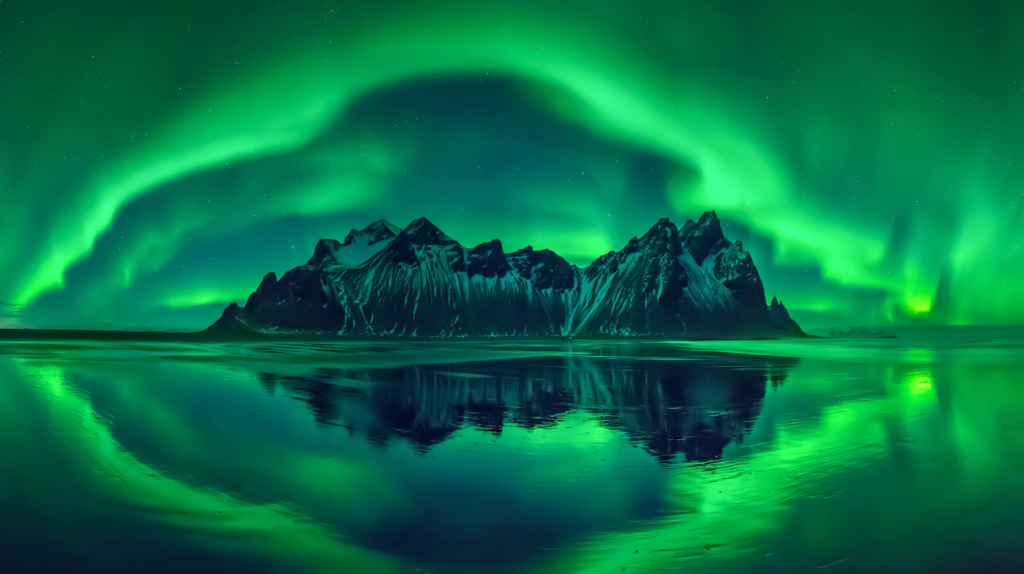
Montana’s nickname isn’t marketing—it’s reality. Few places in the Lower 48 offer skies as expansive or as dark.
Why Aurora Chasers Keep Returning to Montana
- Vast open plains with unobstructed horizons
- Extremely low population density
- Frequent clear nights during winter
Off-Radar Montana Locations Chasers Favor
- Eastern Montana farmland
- Remote ranchlands far from paved roads
- River valleys with wide sky exposure
Real-Life Example
During a strong geomagnetic storm, aurora chasers camping in eastern Montana watched the sky glow from horizon to horizon. Some reported faint shadows cast on snow-covered ground—something rarely seen outside Alaska.
North Dakota: The Sleeper Aurora State Chasers Don’t Advertise
Among experienced aurora chasers, North Dakota is spoken about quietly and selectively. It’s one of the best aurora states in the U.S.—and one of the least discussed.
Why Chasers Love North Dakota
- Flat terrain means nothing blocks the sky
- Some of the darkest skies in America
- Northern latitude without tourism pressure
Real-Life Example
Aurora chasers driving rural highways in North Dakota pulled over when the sky began glowing red just after sunset. For hours, auroras pulsed overhead with no one else in sight. Many chasers deliberately avoid publicizing these locations to preserve their solitude.
Minnesota: Where Aurora Chasers Avoid the Crowds
Northern Minnesota is well known among aurora photographers, but experienced chasers avoid the most popular spots.
Where Chasers Actually Go
- Lesser-known lakes far from tourist towns
- Remote stretches of the Boundary Waters region
- Quiet northern counties near Canada
Real-Life Example
A chaser described standing alone beside a frozen Minnesota lake as auroras reflected perfectly on the ice, creating a mirror image of the sky. “It felt unreal,” he said. “Like standing inside the aurora itself.”
Michigan’s Upper Peninsula: Great Lakes Aurora Magic
The Upper Peninsula has become a reliable off-radar aurora destination thanks to its geography.
Why the UP Is So Effective
- Northern exposure across Lake Superior
- Minimal light pollution
- Cold, stable winter air
Real-Life Example
Aurora chasers report that auroras over Lake Superior often appear brighter and more structured. Reflections on ice and open water add depth that inland locations can’t match.
Wisconsin: Quiet, Consistent, and Overlooked
Northern Wisconsin often falls under aurora alert zones, yet remains largely ignored.
Why Chasers Include Wisconsin
- Forested darkness
- Numerous lakes
- Easy access from surrounding states
Auroras here tend to be subtle but rewarding, especially for photographers who prefer calm, uncrowded environments.
The Northeast Surprise: New York, Vermont, and New Hampshire
Aurora chasing in the Northeast was once considered unrealistic. That assumption no longer holds.
Why Chasers Are Paying Attention
- Northern New York sits closer to the auroral oval than many realize
- Vermont and New Hampshire offer elevation and darkness
- Strong storms increasingly reach these latitudes
Real-Life Example
During a recent storm, aurora chasers captured red auroras arching over snowy Vermont hills. Locals were stunned—many had never seen anything like it in their lives.
Maine: America’s Eastern Aurora Frontier
Maine is rapidly becoming one of the most exciting off-radar aurora destinations in the U.S.
Why Aurora Chasers Are Heading to Maine
- Northern latitude
- Cold, clear air
- Vast rural darkness
- Open northern horizons
Real-Life Example
In Aroostook County, aurora chasers photographed auroras reflecting off frozen rivers and quiet farmland. The images went viral, with viewers assuming they were taken in Alaska or Canada.
Why Locals Often Miss What Aurora Chasers See
One of the most surprising realities is that locals frequently miss auroras happening above them.
Common reasons include:
- Assuming auroras don’t occur locally
- Not following space-weather alerts
- Mistaking auroras for clouds or city glow
- Staying indoors at night
Aurora chasers, by contrast, structure their time around being outside when conditions align.
When Aurora Chasers Time Their Trips
Timing matters more than location.
Most chasers focus on:
- September–October
- February–March
These periods align with geomagnetic peaks and longer nights.
Aurora chasers monitor forecasts daily and often decide where to travel with just days—or hours—notice.
How Aurora Chasers Travel Differently
Aurora chasing is not traditional tourism.
Chasers typically:
- Travel by car for flexibility
- Book refundable lodging
- Scout multiple viewing spots
- Accept that not every night delivers results
This mindset allows them to capitalize on off-radar destinations.
How You Can Follow the Aurora Chasers’ Lead
You don’t need professional equipment or years of experience.
Simple steps:
- Check NOAA aurora forecasts
- Choose dark-sky destinations
- Avoid city centers
- Monitor cloud cover
- Stay outside longer than you think you should
Many first-time chasers see auroras simply by being patient.
Are Aurora Chasers Expecting This Trend to Continue?
Yes—at least through 2026.
NASA and NOAA confirm Solar Cycle 25 remains active, increasing:
- Frequency of geomagnetic storms
- Southward aurora movement
- Opportunities across the U.S.
Aurora chasers believe this is one of the best aurora windows in decades.
Frequently Asked Questions (10 Relevant FAQs)
1. Are aurora chasers really traveling within the U.S.?
Yes. Many now prefer off-radar states over Alaska.
2. Which U.S. states are aurora chasers targeting?
Idaho, Montana, North Dakota, Minnesota, Michigan, and Maine.
3. Do I need professional camera gear?
No. Many auroras are visible to the naked eye.
4. Why avoid famous aurora destinations?
Crowds, light pollution, and higher costs.
5. What is the Kp index?
A scale measuring geomagnetic activity from 0 to 9.
6. Are auroras dangerous?
No. Auroras pose no health risks.
7. Can beginners chase auroras successfully?
Yes, with basic planning and flexibility.
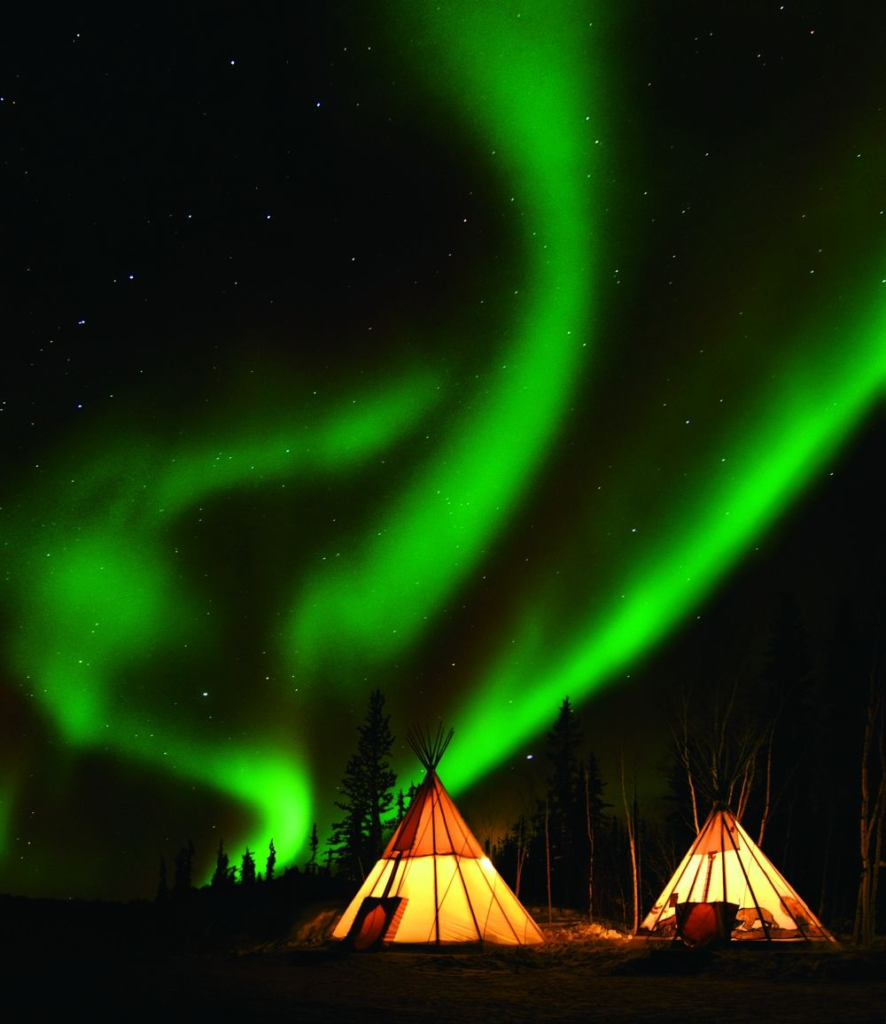
8. Why do auroras appear red sometimes?
Red auroras occur at higher altitudes during strong storms.
9. How far south can auroras reach?
During extreme storms, auroras have reached Texas and Florida.
10. Will auroras keep appearing in these off-radar locations?
Yes, especially through 2026.
Final Thoughts: America’s Quiet Aurora Renaissance
Aurora chasers aren’t following trends—they’re following the Sun.
From Idaho’s silent valleys to Maine’s frozen rivers, off-radar U.S. destinations are delivering some of the most unforgettable aurora experiences in years. These places don’t advertise themselves, and locals often overlook the sky above them.
But for those willing to watch the forecasts, travel with flexibility, and step into the darkness, the reward can be extraordinary.
The northern lights are no longer just something you travel north to find.
They’re moving—and America is directly beneath them.