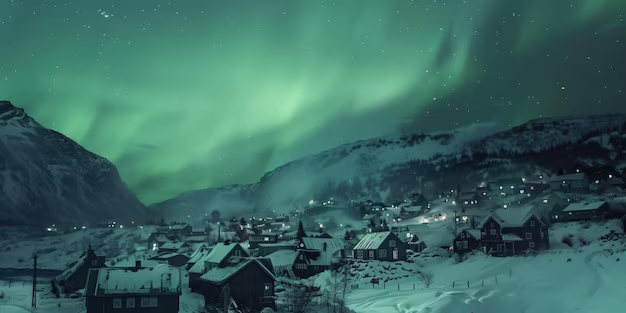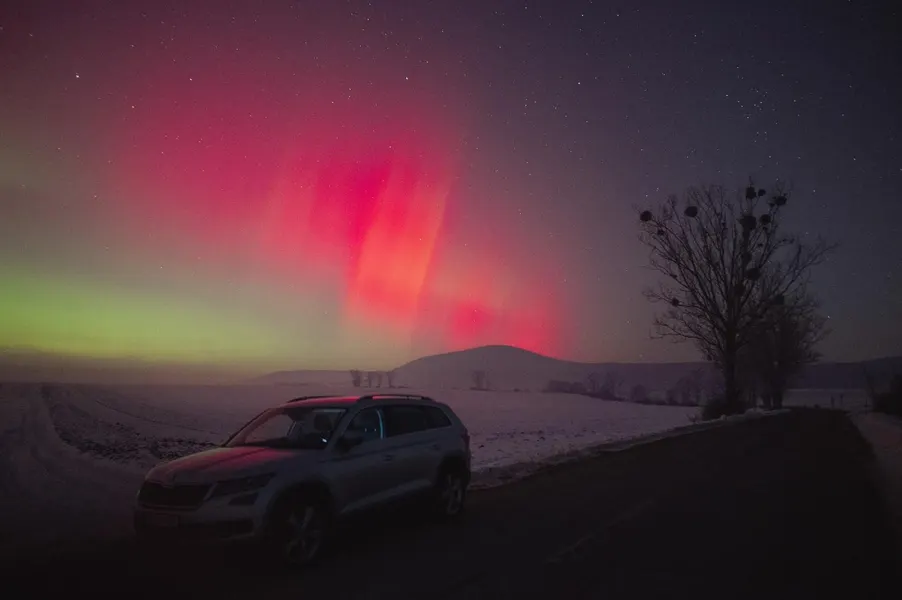
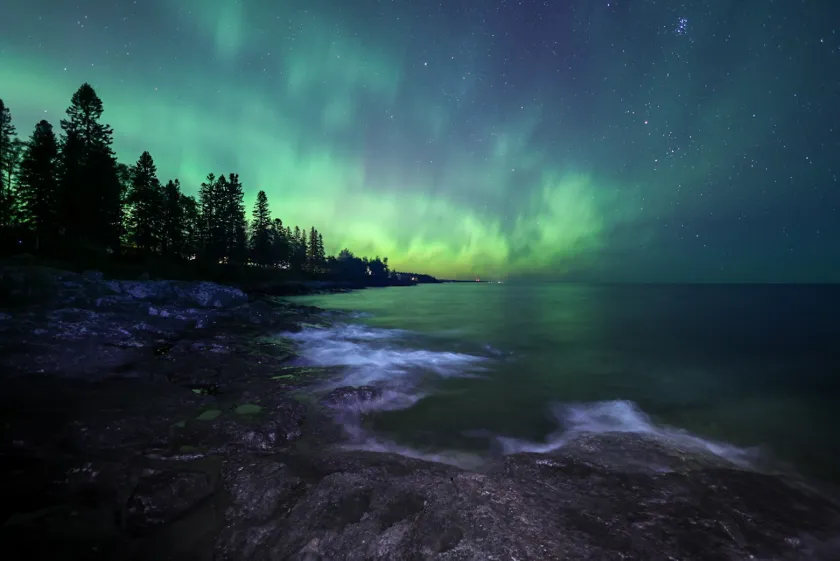
A remote stretch of Lake Superior has quietly become one of the most reliable aurora photography locations in the continental U.S. Thanks to exceptionally dark skies, favorable geomagnetic positioning, and mirror-like water reflections, photographers are capturing Northern Lights here with stunning clarity. This in-depth guide explains why this spot works so well, when to visit, and how to experience it responsibly before the secret fully gets out.
Why Lake Superior Is Suddenly Everywhere in Aurora Photography Circles
For years, Lake Superior rarely entered mainstream aurora conversations. Photographers talked about Alaska, Iceland, and Norway, while most Americans assumed the Northern Lights were out of reach without international travel or extreme latitude.
Then something changed.
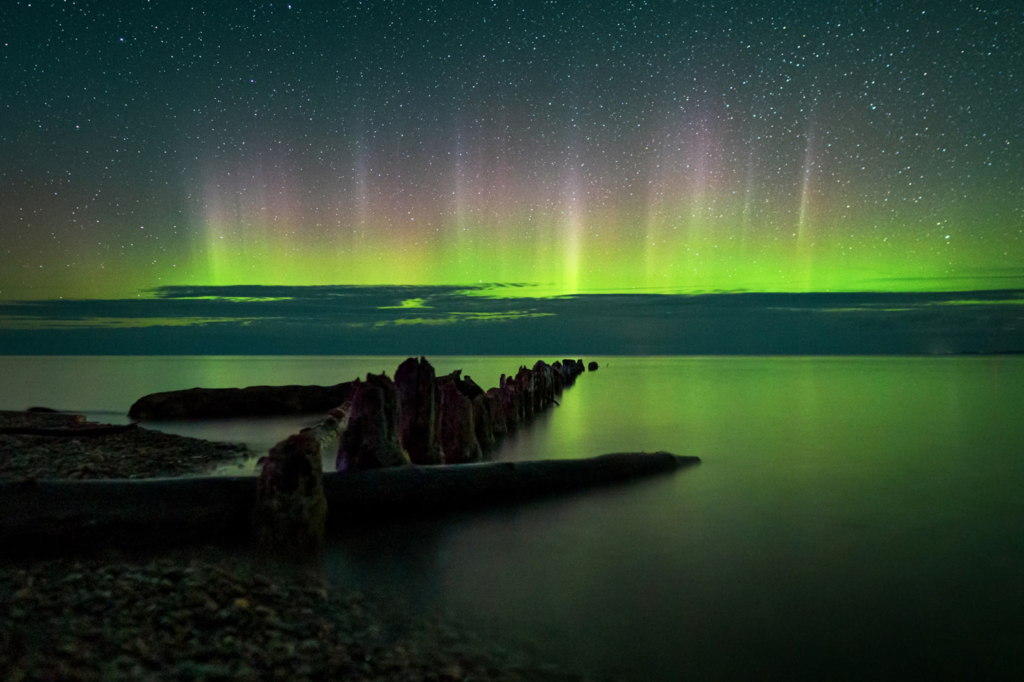
Over the last few aurora seasons, images started appearing online that didn’t match expectations. Green arcs reflecting off perfectly still water. Purple pillars stretching straight overhead. Shorelines glowing under skies that looked impossibly clean and sharp.
The captions were vague.
The locations were rarely tagged.
But one detail kept repeating: Lake Superior.
At first, many people assumed the photos were exaggerated or heavily edited. But as more photographers—independent of one another—began posting similar images, it became clear that something real was happening along this massive freshwater shoreline.
Which Lake Superior Area Are Photographers Talking About?
Lake Superior is enormous, stretching across Michigan, Minnesota, Wisconsin, and Ontario. Not every shoreline works equally well for aurora photography.
The areas drawing the most attention share a few common traits:
- Remote, north-facing shoreline
- Significant distance from towns and highways
- Minimal artificial lighting
- Open views across the lake
In practice, this means Michigan’s Upper Peninsula and Minnesota’s North Shore, especially in areas far removed from tourist centers, marinas, and developed waterfronts.
Photographers often avoid naming exact spots publicly, partly to preserve the experience and partly to avoid overcrowding. But within aurora communities, these areas are now quietly recognized as elite locations.
Why This Lake Superior Spot Outperforms So Many Famous Aurora Destinations
On the surface, it might seem strange that a location in the lower 48 could rival world-famous aurora destinations. But aurora photography isn’t just about latitude—it’s about conditions.
Lake Superior offers a rare combination of factors that few places can match at once.
First, there’s darkness.
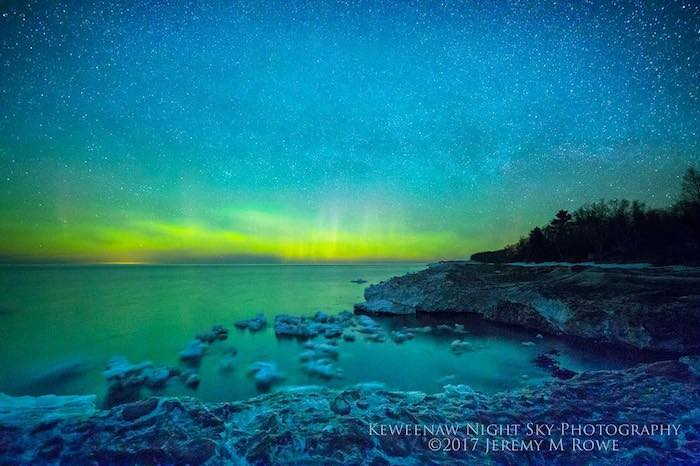
Large sections of the Lake Superior shoreline rank among the darkest skies east of the Mississippi River. According to light-pollution mapping data, many areas here experience sky conditions comparable to remote parts of Canada.
Second, there’s horizon visibility.
The lake creates a massive, unobstructed northern horizon. When auroras appear low, nothing blocks them—no trees, no hills, no buildings.
Third, there’s reflection.
On calm nights, Lake Superior becomes a black mirror. Even modest auroras can look spectacular when reflected across still water.
Finally, there’s timing.
We are currently in Solar Cycle 25, which NASA and NOAA confirm is stronger than initially predicted. That means more frequent geomagnetic storms and more southern aurora visibility.
Put all of that together, and Lake Superior quietly becomes one of the best aurora photography environments in North America.
The Science Behind Why Lake Superior Skies Are So Clear
The success of this location isn’t accidental. There are real atmospheric reasons why auroras appear so clean and sharp here.
Key Environmental Advantages
- Cold air reduces atmospheric turbulence
- Low humidity minimizes haze and light scattering
- Lake-effect airflow can push clouds inland
- Stable winter air improves star and aurora definition
Photographers often notice that even when surrounding regions are cloudy, Lake Superior’s immediate shoreline can remain surprisingly clear. This phenomenon, sometimes referred to as lake-effect clearing, occurs when cold, dry air flows across the lake surface.
For aurora photography, that difference can mean everything.
A Real Photographer’s Experience: Why the Drive Was Worth It
A photographer from Illinois shared a story that mirrors many others.
After missing auroras multiple times due to clouds closer to home, he decided to drive north to Lake Superior during a moderate geomagnetic storm. The forecast wasn’t spectacular. The Kp index wasn’t extreme. Expectations were low.
What he encountered instead was one of the most vivid aurora displays he had ever seen.
The lights appeared earlier than expected. They grew brighter quickly. And when the wind dropped, the lake surface became perfectly still, creating reflections that doubled the visual impact.
He later said:
“I stopped chasing auroras everywhere else after that night.”
Why Photographers Prefer Lake Superior Over Alaska (Sometimes)
This might sound controversial, but many experienced aurora chasers now say Lake Superior can be better than Alaska under the right conditions.
Not because Alaska lacks auroras—but because of logistics.
Lake Superior offers:
- Easier access by car
- Lower travel costs
- Fewer crowds
- No international borders
- Flexible, last-minute trips
For photographers living in the Midwest, Lake Superior is often a one-day drive instead of a flight and rental car combination. That flexibility makes spontaneous aurora chasing possible when space-weather forecasts suddenly improve.
When Is the Best Time to Photograph Auroras at Lake Superior?
Timing is critical, and Lake Superior has a surprisingly long aurora season.
Best Overall Timing
- Season: September through March
- Peak months: December, January, February
- Best hours: 10:00 PM – 3:00 AM
Winter is especially powerful here. Long nights, cold air, and frequent high-pressure systems create ideal conditions. Snow-covered shorelines can also reflect ambient light, adding depth to compositions.
Fall can also be exceptional, especially around the September and March equinoxes, when geomagnetic activity tends to increase.
Why Auroras Look Bigger and Brighter Over the Lake
Many first-time viewers describe Lake Superior auroras as “larger” or “closer.”
There are two main reasons for this.
First, the open horizon allows auroras to appear lower and wider, making them feel more immersive. Second, reflections create a sense of symmetry that amplifies scale.
Without trees or buildings interrupting the view, auroras can stretch from horizon to zenith, filling the entire field of vision.
The Importance of Darkness: What Most People Underestimate
Darkness isn’t just helpful—it’s essential.
In urban or suburban areas, light pollution washes out faint auroras completely. At Lake Superior’s remote shorelines, even weak auroras become visible.
This allows:
- Subtle color variation
- Finer auroral structure
- Lower camera ISO settings
- Cleaner, more natural images
Many photographers report seeing auroras here that were completely invisible to friends hundreds of miles south.
Why Tourists Are Finally Catching On
For years, this region was known mainly to:
- Local photographers
- Park rangers
- Hardcore night-sky enthusiasts
Now, social media has changed everything.
As images spread and solar activity increases, curiosity has exploded. Search interest for phrases like:
- “Lake Superior Northern Lights”
- “Upper Peninsula aurora photography”
- “Best place to see aurora in Michigan”
continues to rise.
The secret is no longer secret—it’s just not fully mainstream yet.
Common Mistakes Visitors Make (And How to Avoid Them)
Despite the location’s advantages, many first-time visitors leave disappointed—not because the aurora didn’t appear, but because expectations were off.
Common Aurora Photography Mistakes
- Staying too close to towns
- Leaving before midnight
- Ignoring wind forecasts
- Expecting instant neon colors
- Not letting eyes adapt to darkness
Auroras often begin subtly and build over time. Lake Superior increases the odds—but patience still matters.
Practical Aurora Photography Advice for Lake Superior
Reliable Camera Setup
- Tripod (non-negotiable)
- Wide-angle lens (14–24mm ideal)
- Manual focus set on stars
- Aperture f/2–f/2.8
- ISO 800–3200
- Shutter 1–5 seconds for active auroras
Reflections tend to look best when auroras are moderately bright. Extremely intense displays can overwhelm the reflection.
Why Wind Can Make or Break Your Shot
Wind is one of the most important—and overlooked—factors at Lake Superior.
Calm conditions produce mirror-like reflections that define many iconic shots. Windy conditions break the surface, eliminating reflections but sometimes enhancing auroral motion overhead.
Experienced photographers often monitor wind forecasts as closely as space-weather forecasts.
Is This the Best Aurora Era in Decades?
According to NASA and NOAA, yes.
Solar Cycle 25 is expected to peak between 2024 and 2026, increasing:
- Frequency of strong geomagnetic storms
- Southern aurora visibility
- Multi-night aurora sequences
Veteran aurora chasers say current activity rivals the early 2000s, a period remembered for historic displays across North America.
Why This Lake Superior Spot Won’t Stay Quiet Forever
History suggests what happens next.
As more images circulate and travel articles appear, crowds follow. Accessibility combined with consistent results makes this region especially vulnerable to overuse.
That’s why many photographers emphasize responsible visitation and minimal impact. The darkness, silence, and natural beauty are what make this place special.
How to Visit Responsibly
Aurora Etiquette That Matters
- Turn off headlights when parked
- Use red lights instead of white flashlights
- Pack out everything you bring
- Respect private property
- Keep noise to a minimum
Preserving the experience ensures it remains available for everyone.
Why Seeing the Aurora Here Feels So Different
Ask anyone who has seen the Northern Lights over Lake Superior, and you’ll hear the same thing.
It feels vast.
It feels quiet.
It feels personal.
Standing at the edge of the world’s largest freshwater lake while solar energy ripples across the sky puts everything into perspective. It’s not just photography—it’s connection.
Frequently Asked Questions (Trending Searches)
1. Where is the best Lake Superior spot for aurora photography?
Remote stretches of Michigan’s Upper Peninsula and Minnesota’s North Shore.
2. Can you really see the Northern Lights at Lake Superior?
Yes, frequently during moderate to strong geomagnetic storms.
3. What time of year is best?
December through February offer the longest nights.
4. Do I need professional camera gear?
No, but a tripod and manual focus are essential.
5. Why do auroras reflect so well on Lake Superior?
Calm water creates mirror-like reflections.
6. Are auroras visible every night?
No. They depend on solar activity and weather.
7. What time should I arrive?
Plan to stay between 10 PM and 3 AM.
8. Is Lake Superior better than Alaska?
Under the right conditions, it can rival Alaska with fewer crowds.
9. Is winter travel safe?
Yes, with proper preparation and cold-weather gear.
10. Will aurora activity continue in coming years?
Yes, activity is expected to remain high through 2026.
Final Thoughts: Why People Keep Coming Back
People don’t flock to Lake Superior just for one photo.
They return because:
- The skies feel untouched
- The experience feels earned
- The aurora feels closer here
Once you see the Northern Lights reflected across Lake Superior’s dark water, it’s hard to chase them anywhere else.