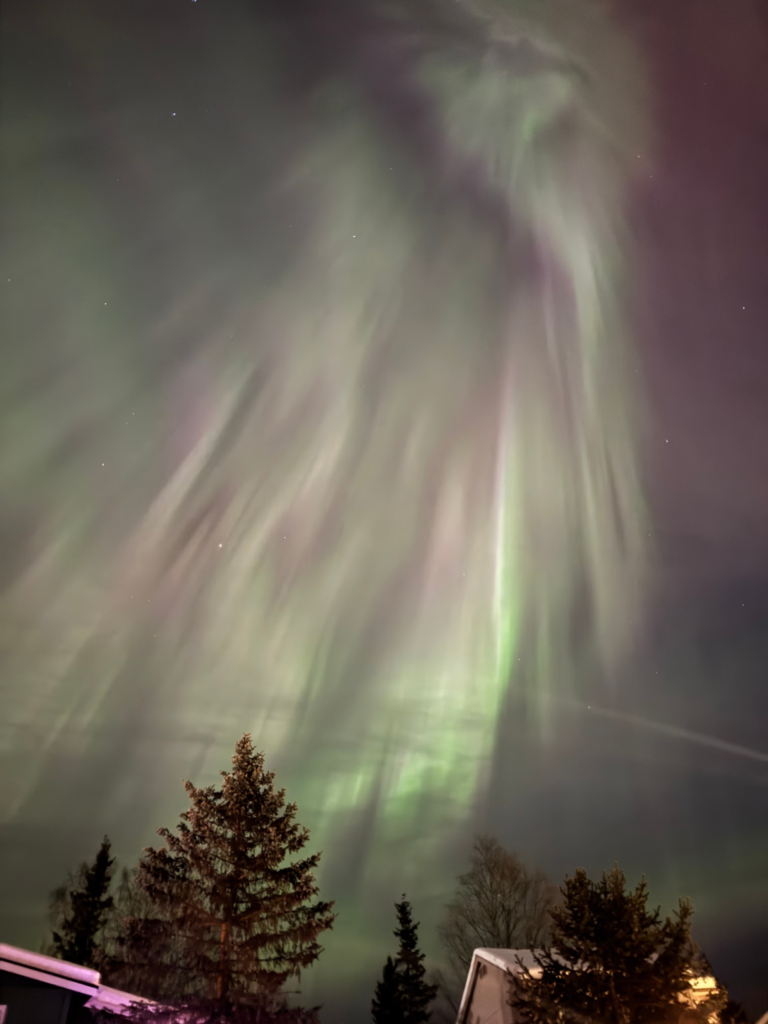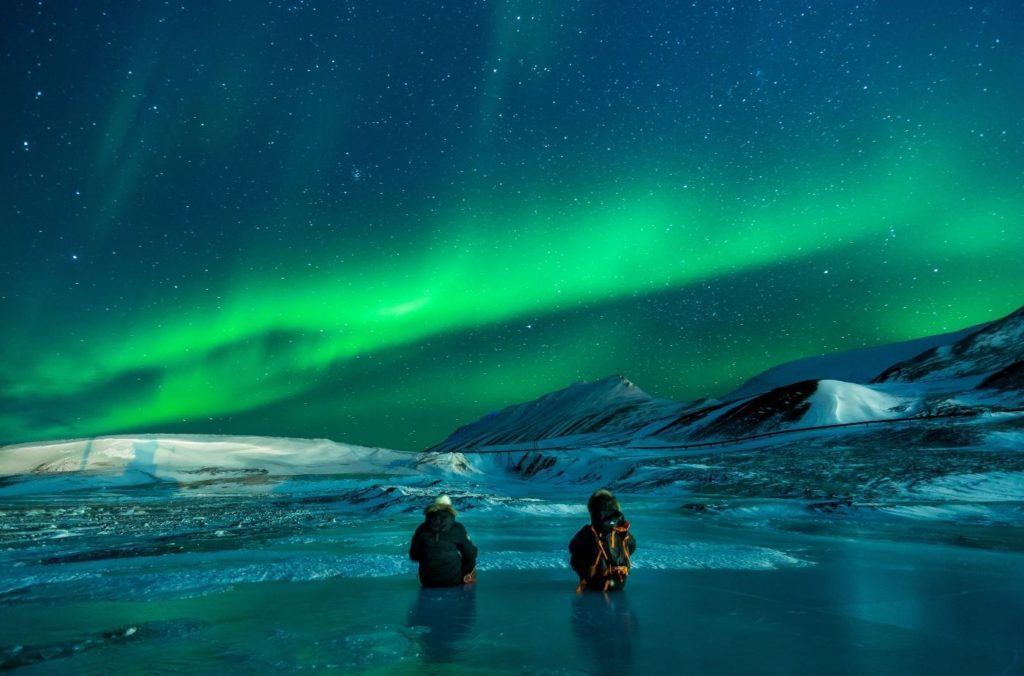
Scientists monitoring solar activity say a surge in space weather could make the Northern Lights visible across several U.S. states this week. Powerful solar storms may push the aurora far beyond its usual Arctic range. Here’s which states are most likely to see it, why experts are paying close attention now, and how Americans can maximize their chances of witnessing this rare sky event.
Why Are Scientists Talking About the Aurora This Week?
When scientists issue alerts about auroras appearing “this week,” it isn’t guesswork or hype designed to grab attention. These warnings are based on real-time space-weather data collected by satellites orbiting the Sun and Earth.
In recent days, scientists at NASA and NOAA’s Space Weather Prediction Center (SWPC) have tracked multiple bursts of solar material leaving the Sun. These eruptions—known as coronal mass ejections (CMEs)—send billions of charged particles racing toward Earth.
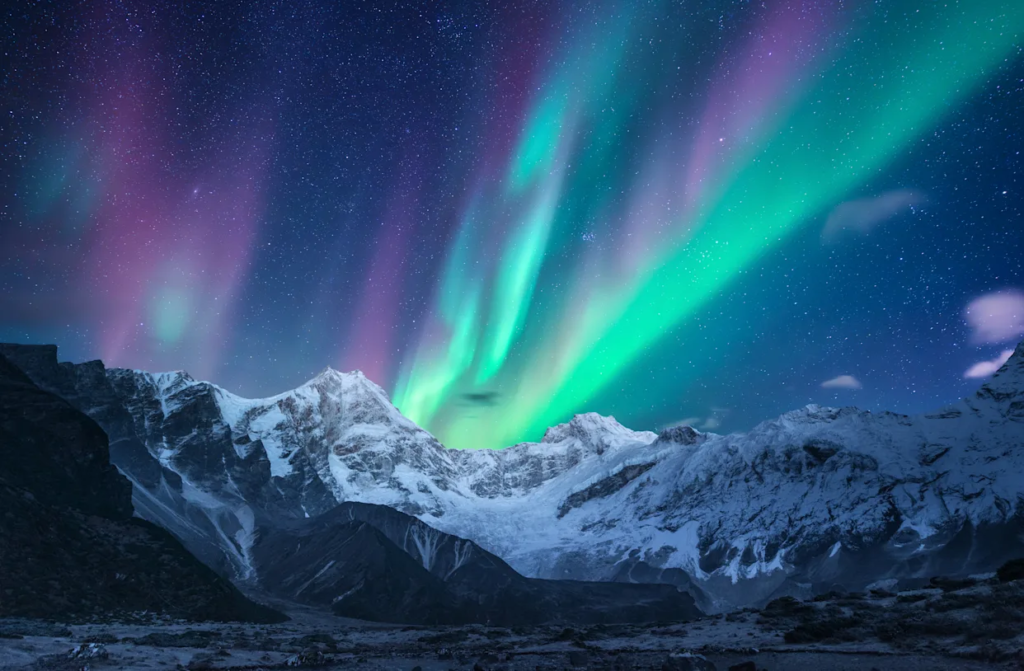
When those particles collide with Earth’s magnetic field, they can trigger geomagnetic storms. During strong storms, the auroral oval expands southward, sometimes dramatically.
That expansion is why experts are asking Americans to pay attention right now.
What Is Space Weather—and Why Should You Care?
Most people think of weather as rain, snow, or heat. But there’s another kind of weather happening far above us.
Space weather refers to changing conditions on the Sun and in Earth’s upper atmosphere. While most of the time it goes unnoticed, strong space-weather events can have visible effects—like auroras.
According to NOAA:
- Space weather is driven by solar activity
- Strong storms disturb Earth’s magnetic field
- These disturbances allow auroras to spread south
When scientists see multiple warning signs at once, they know aurora visibility could increase across the U.S.
What Has Recent Solar Data Shown?
Scientists aren’t relying on a single data point. They’re watching a pattern.
Recent indicators include:
- Multiple solar flares erupting from active sunspot regions
- CMEs traveling in Earth’s direction
- Rising geomagnetic storm probability forecasts
- Elevated Kp index predictions
The Kp index is especially important—and it’s one of the main reasons experts believe auroras could be visible across multiple states this week.
What Is the Kp Index—and Why Does It Matter So Much?
The Kp index is a scale that measures how disturbed Earth’s magnetic field is.
It ranges from 0 to 9:
- 0–2: Quiet conditions, no auroras outside polar regions
- 3–4: Minor activity, auroras limited to far north
- 5: Moderate storm, auroras reach northern U.S. states
- 6–7: Strong storm, auroras visible across much of the Midwest
- 8–9: Severe storm, auroras can reach deep into the Lower 48
Scientists say this week’s conditions could reach Kp 6 or higher, which puts several U.S. states firmly in the aurora zone.
Which States Could See the Aurora This Week?
Based on historical patterns, latitude, light pollution, and current forecasts, scientists have identified priority states where aurora visibility is most likely if geomagnetic activity intensifies.
Below are the states experts are watching most closely.
1. Michigan (Especially the Upper Peninsula)
Michigan—particularly the Upper Peninsula (UP)—is one of the most reliable aurora locations in the continental U.S.
Surrounded by Lake Superior and far from major cities, the UP frequently falls under expanded auroral ovals during strong geomagnetic storms.
Why Michigan Ranks So High
- Northern latitude advantage
- Extremely low light pollution
- Clear northern horizons over Lake Superior
- Long history of documented aurora sightings
During past storms, residents in Marquette and Copper Harbor have reported auroras bright enough to appear overhead, not just near the horizon.
2. Minnesota (North Shore & Boundary Waters)
Northern Minnesota is widely considered one of the best aurora regions in the Lower 48.
The Boundary Waters Canoe Area Wilderness and the Lake Superior North Shore offer massive stretches of protected dark sky.
Why Scientists Watch Minnesota
- High latitude compared to most states
- Vast wilderness with minimal artificial light
- Frequent clear winter nights
- Consistent aurora sightings during solar storms
Locals often describe auroras shimmering over frozen lakes, creating reflections that double the visual impact.
3. North Dakota
North Dakota may not be famous for auroras—but it should be.
With one of the lowest population densities in the country, it offers some of the darkest skies in America.
Why North Dakota Is a Hidden Aurora Powerhouse
- Very low light pollution statewide
- Flat terrain with unobstructed horizons
- Northern latitude
- Regularly clear skies
During strong storms, auroras here can stretch across the entire northern sky.
4. Montana (Northern Regions)
Northern Montana, especially areas near Glacier National Park, often sits under expanded auroral ovals.
Why Montana Has Strong Aurora Potential
- High elevation reduces atmospheric interference
- Extremely dark rural skies
- Northern latitude
- Massive open landscapes
Auroras here often appear as wide bands of light glowing above mountain silhouettes.
5. Wisconsin (Northern Counties)
Northern Wisconsin doesn’t get as much attention as neighboring states, but scientists know it belongs on the list.
Why Wisconsin Makes the Cut
- Proximity to Lake Superior
- Lower light pollution in northern counties
- Similar latitude to Minnesota and Michigan
Residents near Ashland and Bayfield have captured impressive auroras during past geomagnetic storms.
6. Maine (Northern & Rural Areas)
Northern Maine often surprises people.
During strong geomagnetic storms, auroras can appear here as red or pink glows, which are visible at higher altitudes and farther south.
Why Maine Is Being Watched
- Northeastern latitude advantage
- Rural darkness
- Clear winter skies
Seeing the aurora on the East Coast feels especially unexpected—and unforgettable.
7. Washington State (Northern & Eastern Areas)
Northern and eastern Washington occasionally see auroras during stronger storms.
What Helps Washington’s Chances
- Northern latitude
- Dark zones east of the Cascades
- Clear mountain skies
Auroras here often appear low on the northern horizon but can intensify rapidly.
Could Auroras Reach Even Farther South?
Under rare conditions, yes.
During extreme G4–G5 geomagnetic storms, auroras have been reported as far south as:
- Illinois
- Ohio
- Pennsylvania
- Parts of the Deep South (as faint red glows)
Scientists caution these events are uncommon—but they are scientifically documented.
What Will the Aurora Look Like in These States?
This is where expectations matter.
In most Lower-48 states:
- Auroras often begin as faint glows
- Movement is more noticeable than brightness
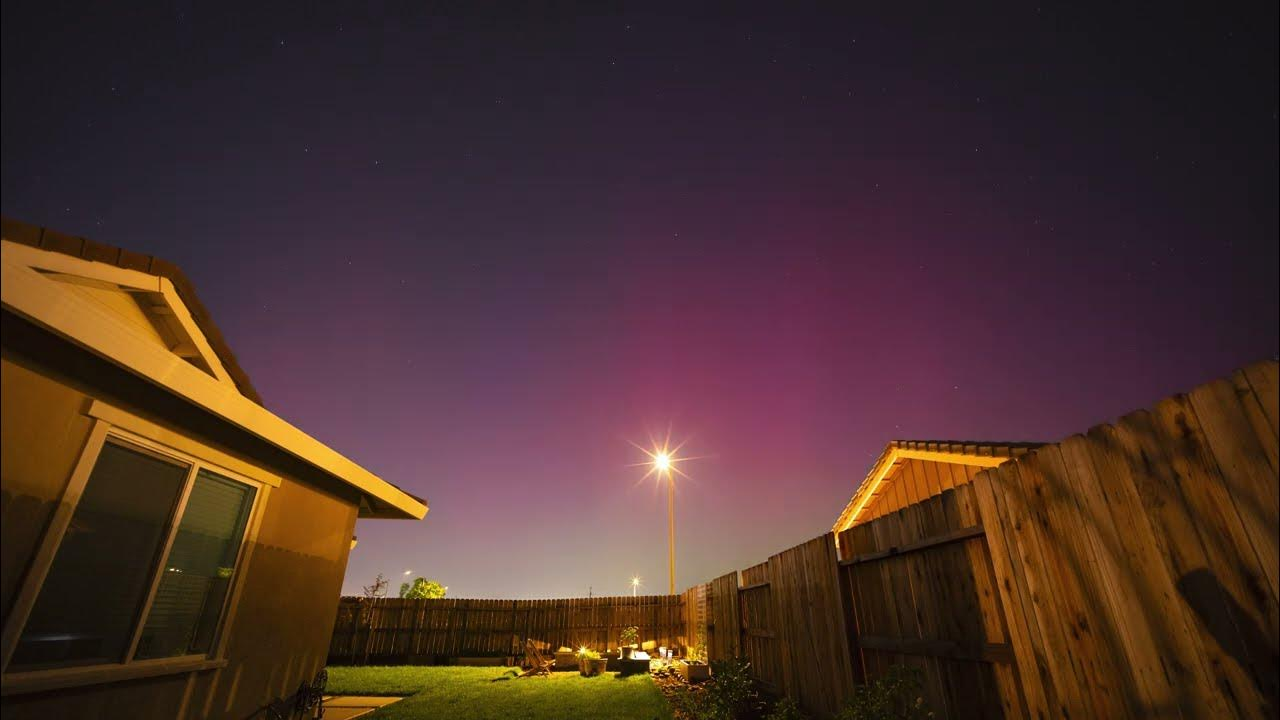
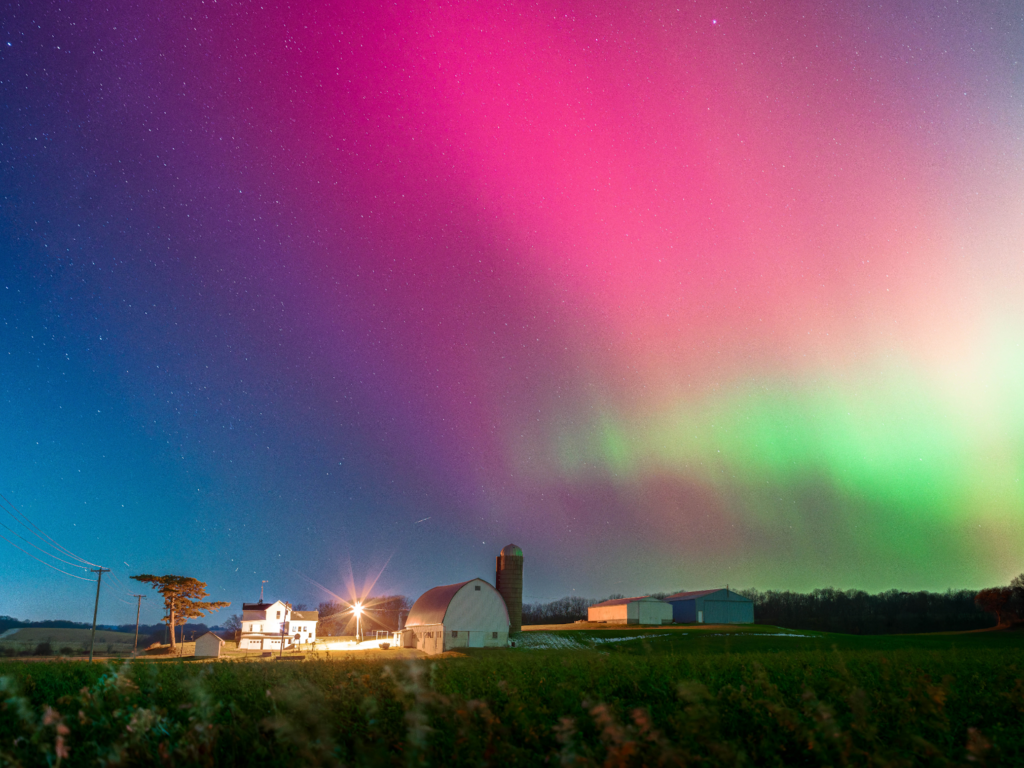
- Reds and pinks appear more often than greens
- Cameras capture stronger colors than human eyes
Many first-time viewers mistake auroras for clouds or distant city glow—until they notice motion.
When Is the Best Time to Look This Week?
Auroras follow consistent timing patterns.
Best Viewing Window
- 10:00 PM to 2:00 AM local time
- Moonless or low-moon nights preferred
- Clear skies are essential
Geomagnetic activity can spike suddenly, so flexibility is key.
How to Maximize Your Chances (Practical Advice)
Aurora watching rewards preparation.
Do this:
- Check NOAA’s aurora forecast daily
- Watch the Kp index (6+ is promising)
- Travel away from city lights
- Look north with an open horizon
- Give your eyes 20 minutes to adjust
Avoid this:
- Expecting instant brightness
- Standing near streetlights
- Leaving after five minutes
- Checking your phone constantly
Auroras often come in waves.
Why More Americans Are Seeing Auroras Than Ever Before
Three major factors explain the surge:
- Rising Solar Activity — We’re nearing solar maximum
- Better Forecasting Tools — Alerts are more accurate
- Smartphone Cameras — Easier to confirm sightings
What once seemed mythical now feels achievable.
What Scientists Say About the Bigger Picture
Experts emphasize that increased aurora visibility does not mean something is wrong.
NASA confirms:
- Solar maximum happens roughly every 11 years
- Increased auroras are expected during this phase
- Current activity matches long-term predictions
In other words, this week’s excitement fits a well-understood solar cycle.
Frequently Asked Questions (Trending U.S. Searches)
1. Can I really see the Northern Lights this week?
If you’re in a northern state and geomagnetic activity intensifies, yes—possibly.
2. Which states are most likely?
Michigan, Minnesota, North Dakota, Montana, Wisconsin, Maine, and Washington.
3. Do I need special equipment?
No. Auroras are visible to the naked eye, though cameras enhance color.
4. What time should I look?
Between 10 PM and 2 AM local time.
5. What if I live farther south?
You may still see faint red glows during strong storms.
6. Why do auroras sometimes look white?
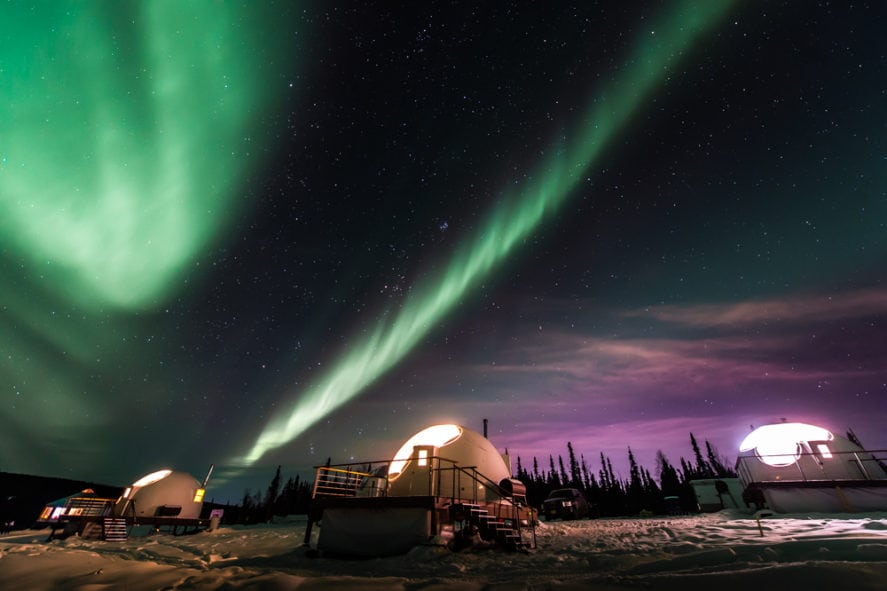
Human eyes struggle with color perception in low light.
7. Are auroras dangerous?
No. They are completely safe to watch.
8. Why are auroras red sometimes?
Red auroras occur at higher altitudes and travel farther south.
9. Is this related to climate change?
No. Auroras are driven by solar activity, not Earth’s climate.
10. Will this happen again?
Yes. Solar activity will continue increasing toward its peak.
Final Thoughts: Should You Be Watching the Sky This Week?
If you live in one of the states scientists are watching—and skies are clear—the answer is simple:
Yes.
Auroras don’t appear on demand, but when conditions align, they offer one of the most awe-inspiring sights nature can produce.
Sometimes, all it takes is stepping outside and looking up.