Astronomers and space-weather experts say a rare Arctic aurora storm unfolding during peak solar activity may be a once-in-a-lifetime event. Fueled by multiple powerful solar eruptions, the storm is producing unusually bright, fast-moving, and widespread auroras—sometimes visible far beyond the Arctic. Here’s why scientists are calling it historic, what makes it unique, and what skywatchers should expect.
Why Scientists Are Using the Phrase “Once-in-a-Lifetime”
Astronomers are careful with their words. They observe solar activity constantly, track auroras year after year, and rarely label any single event as extraordinary.
That’s why this Arctic aurora storm stands out.
According to researchers from NASA, NOAA, and several international observatories, this storm combines rare intensity, exceptional duration, and unusual geographic reach—a combination that may not occur again for decades.
Auroras are common in the Arctic. But auroras of this strength, color range, and persistence are not. Scientists say this storm belongs in the same category as a handful of historic space-weather events that reshaped how we understand the Sun-Earth connection.
What Exactly Is an Arctic Aurora Storm?
An Arctic aurora storm is a prolonged period of intense auroral activity driven by major disturbances from the Sun.
It begins when the Sun releases massive bursts of energy, usually through:
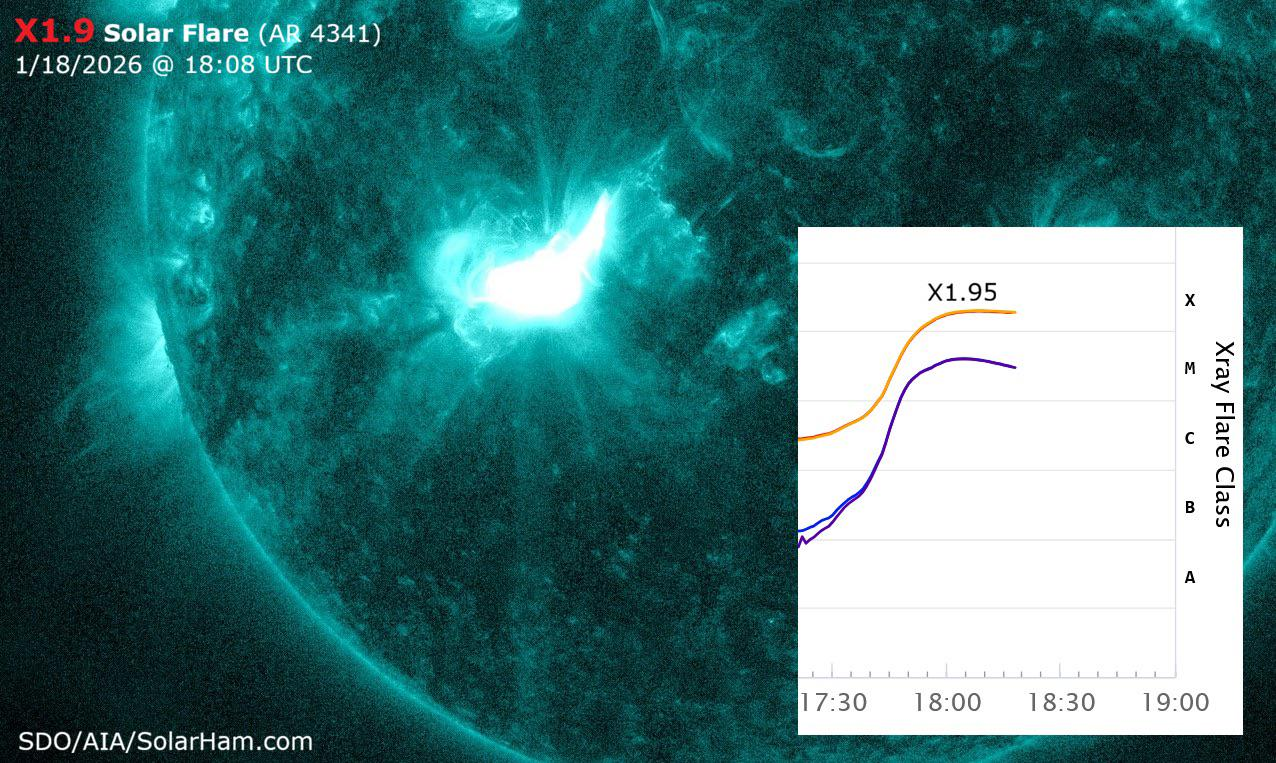
- Solar flares, which emit radiation
- Coronal mass ejections (CMEs), which hurl clouds of charged particles into space
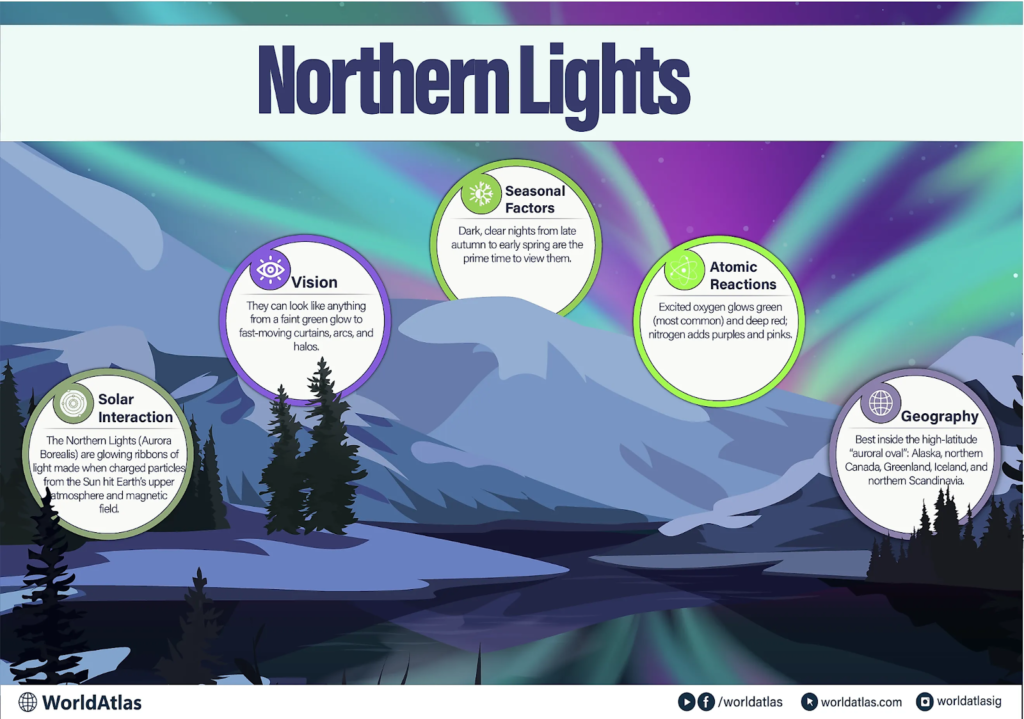
When these eruptions are directed toward Earth, they collide with our planet’s magnetic field. That collision triggers a geomagnetic storm, causing Earth’s magnetic shield to stretch, vibrate, and funnel enormous energy into the upper atmosphere.
The visible result is an aurora—often brighter, faster, and more widespread than normal.
Why This Aurora Storm Is Different From Typical Displays
Most aurora events follow a familiar pattern: a brief surge of activity, localized mostly near the Arctic Circle, fading within hours.
This storm broke those expectations.
What Makes This Event Exceptional
- Multiple powerful CMEs arrived back-to-back
- Auroral activity persisted longer than usual
- The auroral oval expanded dramatically
- Colors extended beyond common green hues
- Rapid auroral motion was widely observed
Astronomers say these features rarely occur together, which is why the storm has drawn such intense attention.
The Solar Activity Fueling the Storm
The Sun operates on an approximately 11-year solar cycle, shifting between quieter and more active phases. The most volatile stage is known as solar maximum.
During solar maximum:
- Sunspots multiply
- Solar flares become more frequent
- Coronal mass ejections grow stronger
- Geomagnetic storms intensify
NASA and NOAA confirm the current solar cycle is stronger than initially predicted, increasing the likelihood of extreme events like this one.
This storm was triggered by multiple Earth-facing solar eruptions, each reinforcing the next—a rare alignment that magnified its impact.
How Far Can a Once-in-a-Lifetime Aurora Reach?
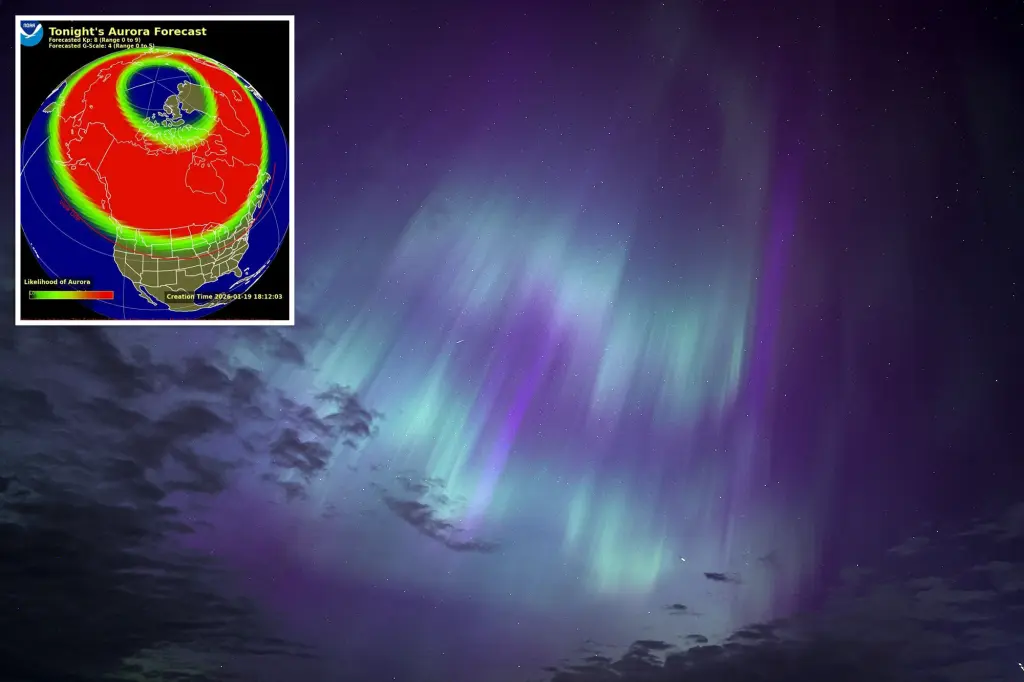
Under normal conditions, auroras stay close to the Arctic Circle. During strong geomagnetic storms, however, the auroral zone expands toward the equator.
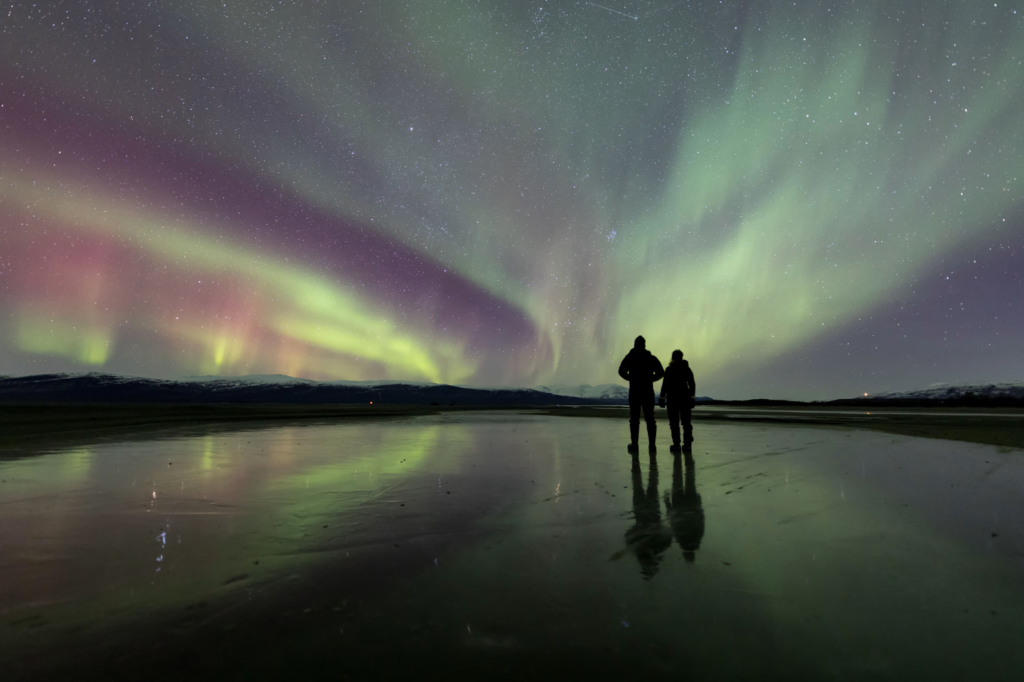
During this event, auroras were reported:
- Across the Arctic
- Throughout northern Canada
- Across large parts of the northern United States
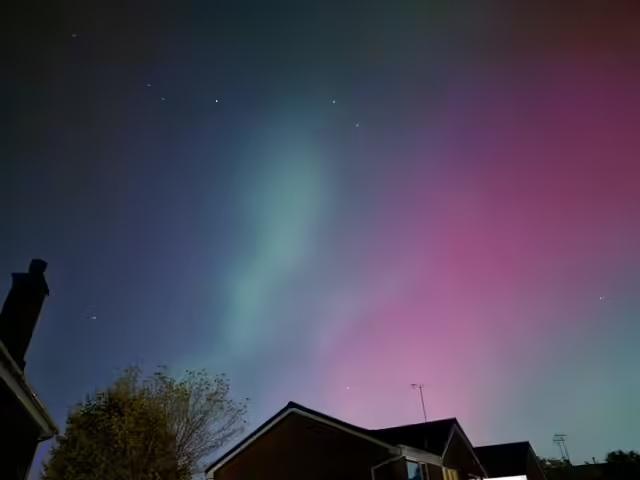
- Occasionally as faint red glows in central regions
Astronomers explain that when Earth’s magnetic field is strongly disturbed, it allows charged particles to reach lower latitudes, making auroras visible to millions who rarely see them.
Real-Life Experiences From the Arctic and Beyond
In northern Alaska, residents described auroras so bright they illuminated snow-covered landscapes like moonlight. In parts of northern Canada, the sky pulsed with green, red, and violet ribbons for hours without fading.
Further south, people in states like Minnesota, Michigan, and New York captured unexpected auroral glows. Many initially assumed the light came from city reflections or clouds—until scientists confirmed the auroras.
For countless observers, it was their first aurora sighting—and possibly their last of this magnitude.
Why These Auroras Look So Dramatic
Auroras vary widely, but this storm produced particularly striking visuals.
Unique Visual Characteristics
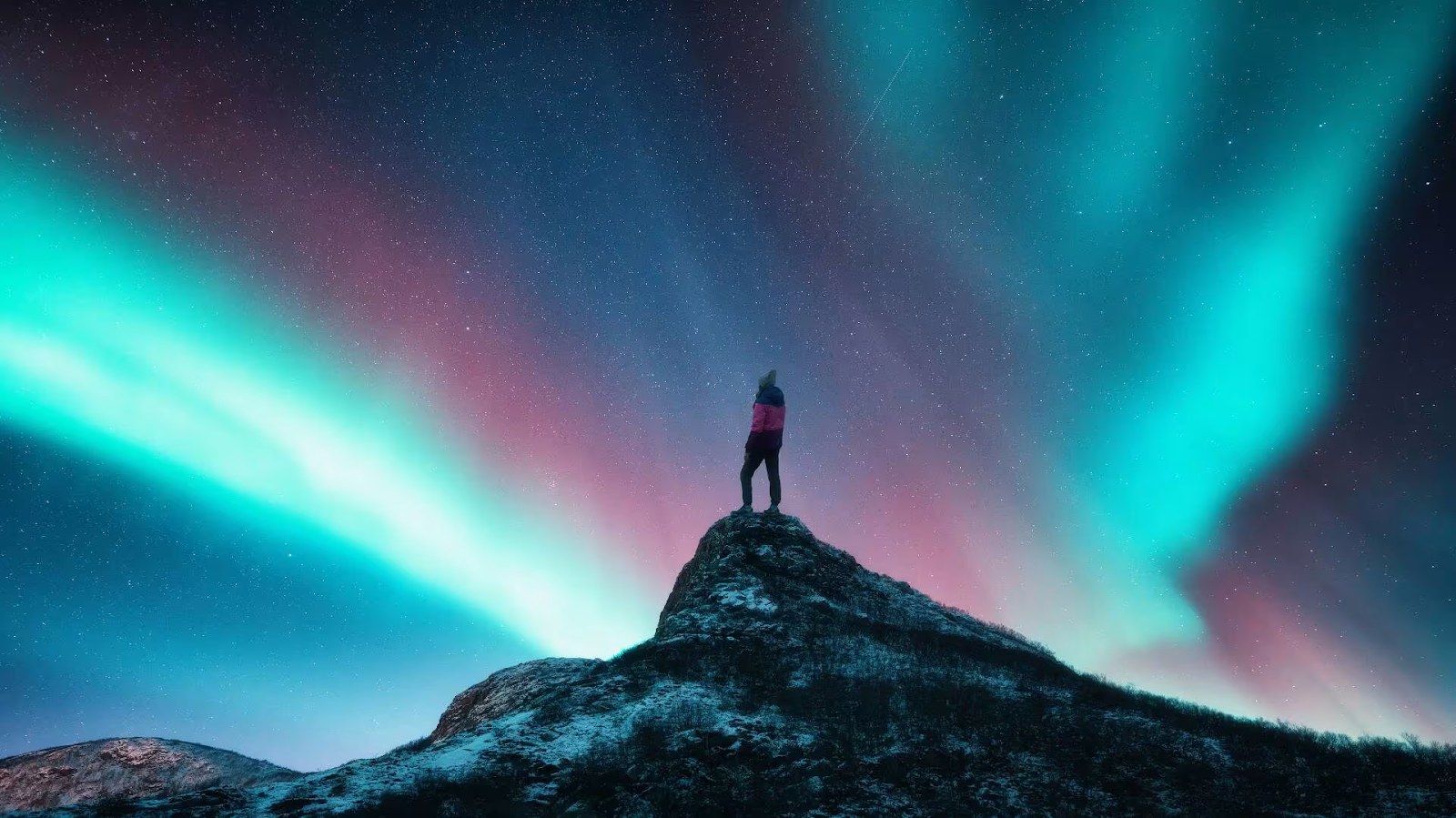
- Intense greens from lower-altitude oxygen collisions
- Deep reds forming higher in the atmosphere
- Purple and blue edges from nitrogen interactions
- Fast-moving waves and curtains
Red auroras are especially significant. Scientists say they usually indicate extreme energy input, reinforcing why this storm is considered rare.
Are Once-in-a-Lifetime Auroras Dangerous?
Auroras themselves are completely harmless to people.
However, the solar storms behind them can affect technology.
Potential Impacts Scientists Monitor
- GPS signal inaccuracies
- Radio communication disruptions
- Satellite orientation issues
- Increased radiation exposure for astronauts
- Rare stress on power grids
During this storm, power utilities and satellite operators increased monitoring, though no widespread failures were reported.
Why Astronomers Say This Storm May Not Repeat Soon
Aurora storms of this magnitude require several rare factors to align:
- A strong solar cycle
- Multiple powerful solar eruptions
- Direct Earth-facing trajectories
- Favorable magnetic conditions
While auroras will always return, storms with this precise combination may take decades to repeat, making this event scientifically and historically significant.
How Scientists Are Studying the Storm in Real Time
This aurora storm is one of the most heavily observed in history.
Researchers are using:
- Solar observation satellites
- Ground-based magnetometers
- High-resolution aurora cameras
- Millions of citizen-science photos
Each image helps scientists map auroral boundaries and refine models that protect satellites and power grids.
How to See This Aurora Storm—or the Next One
You don’t need to live in the Arctic to try.
Practical Aurora-Viewing Tips
- Follow NOAA Space Weather Prediction Center alerts
- Look north after sunset
- Avoid city lights
- Use your phone’s night mode
- Be patient; auroras come in waves
Even faint glows can be unforgettable once your eyes adjust.
Why This Storm Matters Beyond Its Beauty
Auroras aren’t just light shows—they’re data.
This storm helps scientists:
- Improve space-weather forecasts
- Protect satellites and navigation systems
- Understand Earth’s magnetic environment
- Prepare for future human space missions
Events like this shape how we safeguard modern technology.
Why This Aurora Storm Feels So Emotional
For many people, this storm wasn’t just scientific—it was personal.
Families stepped outside together. Photographers stayed awake all night. Scientists watched live data streams with awe. For a brief moment, people across continents shared the same sky.
That shared experience is why astronomers say this storm will be remembered long after it fades.
Key Takeaways
- Astronomers call this aurora storm exceptionally rare
- Multiple solar eruptions fueled its intensity
- Auroras reached farther than usual
- The event is scientifically significant
- A similar storm may not occur again for decades
Frequently Asked Questions (10 Trending FAQs)
1. Why is this aurora storm considered once-in-a-lifetime?
Because its intensity, duration, and reach are extremely rare.
2. How often do storms like this happen?
Only a few times per century.
3. Can auroras be seen outside the Arctic?
Yes, during strong geomagnetic storms.
4. Are auroras dangerous to humans?
No, auroras are harmless.
5. Why were some auroras red?
They formed higher in the atmosphere during intense storms.
6. Can this storm affect power grids?
Rarely, but monitoring increases during major events.
7. Will more auroras appear soon?
Yes, solar maximum increases the chances.
8. Can I photograph auroras with my phone?
Yes, night mode works very well.
9. Is climate change involved?
No, auroras are driven by solar activity.
10. Where can I track future aurora alerts?
NOAA’s Space Weather Prediction Center.