Scientists are closely monitoring a massive solar explosion racing toward Earth that could spark a strong geomagnetic storm and widespread auroras. Space-weather experts say the event may push the Northern Lights far south into the United States. Here’s what caused the solar blast, when it may arrive, where auroras could appear, and what Americans should realistically expect.
Why Scientists Are Issuing a Rare Solar Storm Alert
When scientists talk about a solar explosion heading toward Earth, the goal is awareness—not alarm.
Experts at NASA and the NOAA Space Weather Prediction Center track thousands of solar eruptions every year. Most pose no risk to Earth at all. What makes this one different is its size, speed, and direction.
Early data shows this solar explosion is powerful enough to significantly disturb Earth’s magnetic field. That disturbance could trigger a geomagnetic storm, a space-weather event known for producing intense auroras and, in rare cases, temporary technological disruptions.
For many Americans, however, the most noticeable effect may be something far more exciting than disruptive: a sky lit up by the Northern Lights.
What Is This “Massive Solar Explosion,” Really?
Despite the dramatic phrasing, a solar explosion is a well-understood natural phenomenon.
The Sun regularly releases energy in two primary ways:
- Solar flares, which emit bursts of radiation
- Coronal mass ejections (CMEs), which eject massive clouds of charged plasma into space
This event involves a fast-moving CME, launched after a large sunspot region destabilized. Sunspots are areas where the Sun’s magnetic field becomes tangled. When that tension snaps, enormous amounts of energy are released.
What makes this explosion notable is:
- Its high speed, reducing Earth’s warning time
- Its density, increasing its geomagnetic impact
- Its Earth-facing trajectory, raising the chance of direct interaction
How Long Does It Take a Solar Explosion to Reach Earth?
One of the most common questions Americans are asking is: When will it get here?
CMEs typically take between 24 and 72 hours to reach Earth. Faster eruptions can arrive in under a day.
Based on current models:
- This solar explosion is traveling faster than average
- Impact could occur sooner rather than later
- Effects may last from several hours to multiple days
This short window is why space-weather alerts are issued quickly and updated frequently.
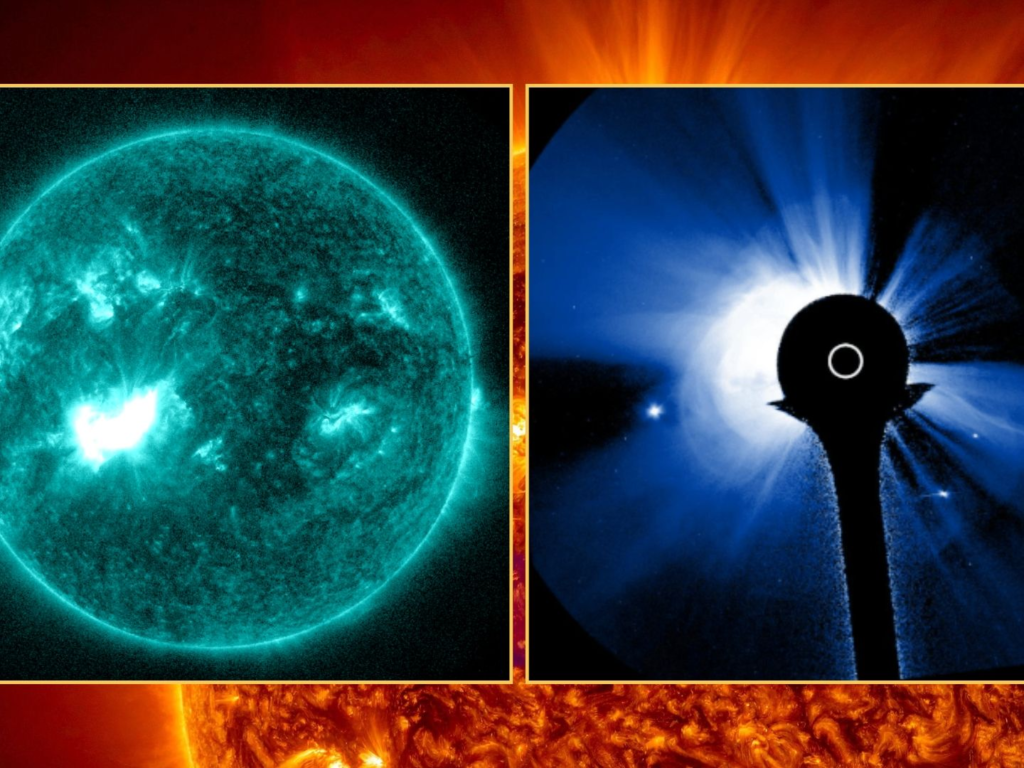
What Happens When the Solar Explosion Hits Earth?
When the CME reaches Earth, it collides with our planet’s magnetic field, triggering a geomagnetic storm.
That collision causes:
- Distortions in Earth’s magnetic shield
- Energy transfer into the upper atmosphere
- Charged particles funneling toward polar regions
The visible result is an aurora.
The stronger the storm, the farther south auroras can appear.
Will This Solar Storm Really Produce Auroras?
According to space-weather forecasters, yes—auroras are very likely.
Experts estimate the storm could reach G3 to G4 intensity, which is strong enough to:
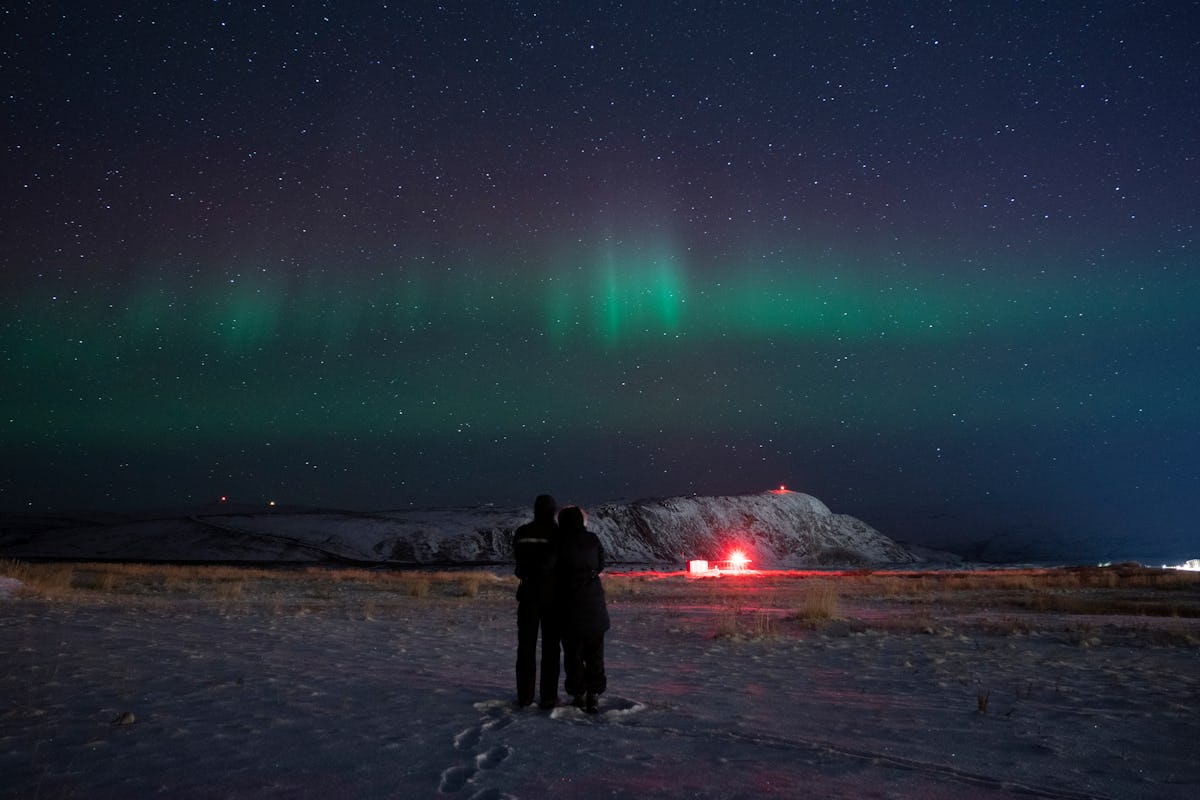
- Intensify auroras across the Arctic
- Push auroras into Canada
- Make them visible across northern U.S. states
- Occasionally allow faint auroras farther south
In extreme cases, storms of this strength have produced auroras as far south as Texas and Alabama.
Where Could the Aurora Be Visible in the United States?
This is one of the most searched questions nationwide.
Based on historical storms of similar strength, auroras could be visible in:
- Alaska (very bright and active)
- Northern Canada
- The Upper Midwest
- The Pacific Northwest
- The Northeast U.S.
- Parts of the central U.S. during peak intensity
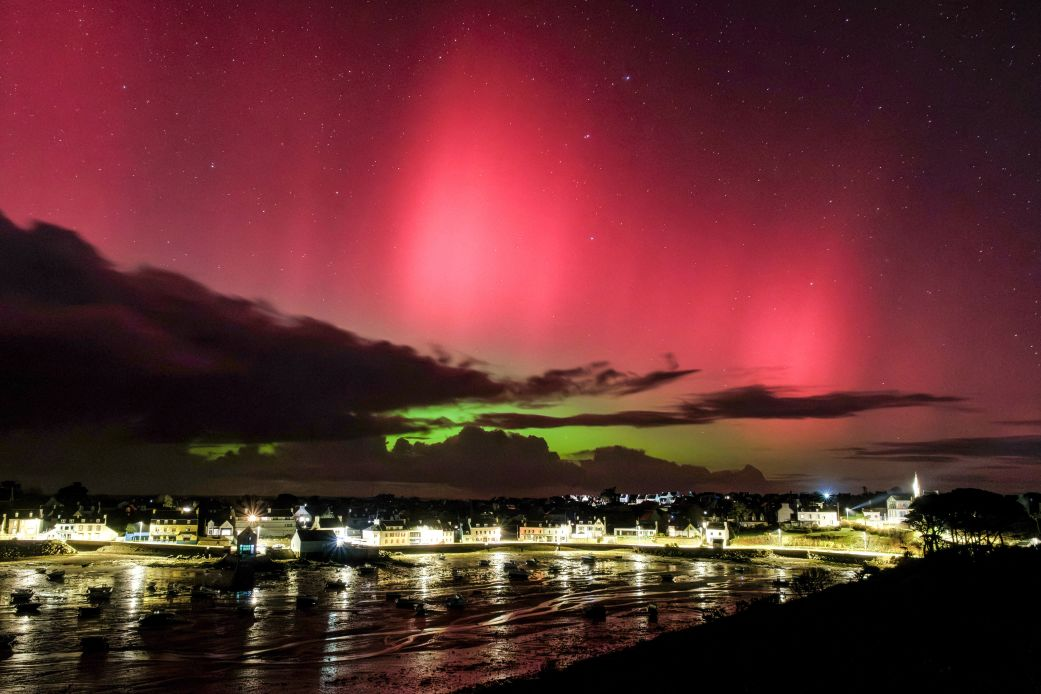
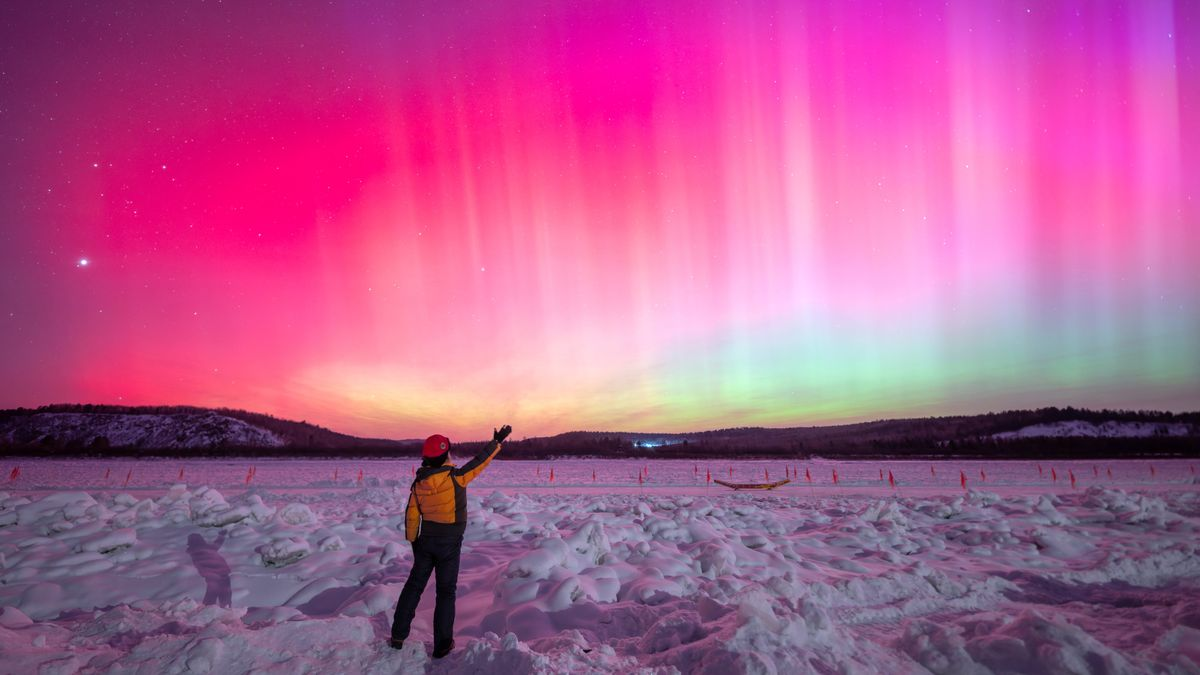
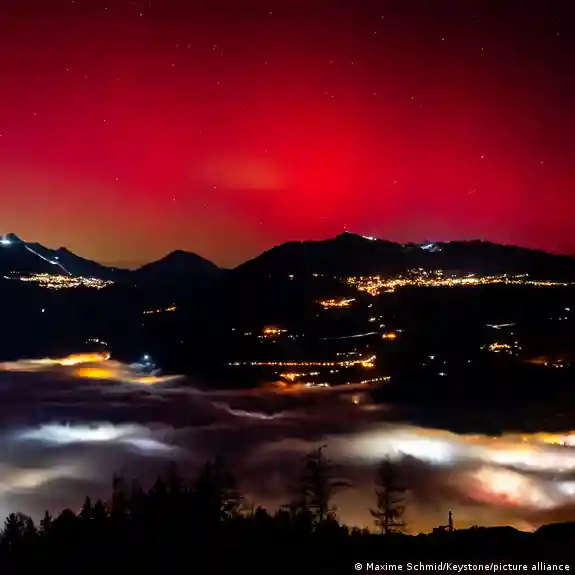
Southern sightings often appear as red or pink glows rather than bright green curtains.
Real-Life Examples: When Solar Explosions Lit Up American Skies
Events like this aren’t unprecedented.
In 2024, a strong solar storm triggered auroras visible across Texas, Alabama, and Georgia. Social media flooded with photos of red skies, initially mistaken for city lights or fires.
In 2003, the famous “Halloween Solar Storms” produced auroras across much of the continental U.S. and disrupted satellites and radio communications.
These real-world examples show that when solar explosions are powerful enough, auroras can appear far outside their usual zones.
Why Southern Auroras Often Look Red
Many Americans expect green Northern Lights—but southern auroras usually look different.
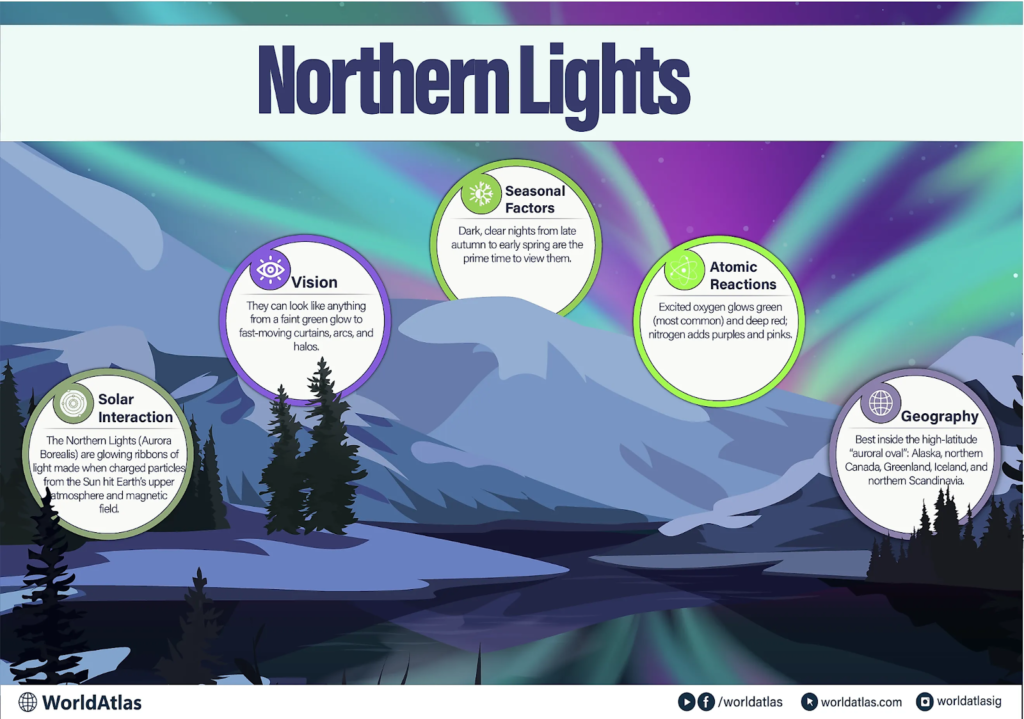
Aurora color depends on altitude and atmospheric gases:
- Green auroras form lower in the atmosphere
- Red auroras form much higher up
- Purple and blue hues come from nitrogen interactions
When auroras appear far south, they typically form at higher altitudes, which is why red and pink colors dominate.
Is This Solar Explosion Dangerous?
This is where accuracy matters.
For People
Auroras and solar storms are not dangerous to humans on the ground.
For Technology
Strong solar storms can temporarily affect:
- GPS accuracy
- Radio communications
- Satellite operations
- Aviation navigation systems
- Power grids (rare but monitored)
Modern infrastructure is far more resilient than in the past, and agencies actively prepare for storms like this.
Why Scientists Are Calm but Highly Attentive
Despite dramatic headlines, scientists are not panicking.
They view this solar explosion as:
- A significant but manageable space-weather event
- A valuable scientific opportunity
- A reminder of the Sun’s influence on modern life
NASA and NOAA issue alerts based on data—not fear—and adjust forecasts as new information arrives.
How Scientists Predict Solar Storm Strength
Space-weather forecasting has advanced dramatically over the last decade.
Experts rely on:
- Solar observation satellites
- Magnetic field measurements
- AI-assisted models
- Historical storm comparisons
While exact outcomes can’t be guaranteed, scientists can usually estimate storm strength within hours of impact.
How Americans Can Prepare (Without Panic)
Preparation doesn’t mean fear—it means awareness.
Practical Steps to Take
- Follow NOAA Space Weather alerts
- Expect brief GPS or radio interference
- Keep electronics charged as usual
- Look north after sunset for auroras
- Use smartphone night mode for photos
For most people, the biggest impact will be a stunning night sky.
Why This Solar Explosion Matters Beyond Auroras
Auroras are just the visible side of space weather.
Solar storms help scientists:
- Improve satellite protection
- Safeguard navigation systems
- Prepare astronauts for radiation exposure
- Understand Earth’s magnetic environment
Each major storm improves future forecasting and preparedness.
Why Events Like This Feel So Emotional
There’s something humbling about realizing the Sun—93 million miles away—can paint Earth’s skies overnight.
Families step outside together. Neighbors share photos. Scientists watch real-time data streams with awe.
Moments like this remind us that Earth is part of a living, dynamic solar system.
Key Takeaways
- A massive solar explosion is heading toward Earth
- A geomagnetic storm is likely
- Auroras are expected and may be widespread
- The event is safe for people
- Scientists are monitoring closely
Frequently Asked Questions (10 Trending FAQs)
1. What is a solar explosion?
A powerful release of energy from the Sun, often a coronal mass ejection.
2. When will it reach Earth?
Usually within 1–3 days of eruption.
3. Will auroras be visible in the U.S.?
Yes, especially across northern and central states.
4. Are solar storms dangerous?
Auroras are harmless; technology impacts are monitored.
5. Can this affect power grids?
Rarely, but precautions are taken.
6. Why do auroras appear red?
They form higher in the atmosphere during strong storms.
7. Can I photograph auroras with my phone?
Yes, night mode works very well.
8. Is this related to climate change?
No, solar storms are driven by solar activity.
9. How often do events like this happen?
A few times per solar cycle.
10. Where can I track updates?
NOAA’s Space Weather Prediction Center.