Millions of Americans may witness the Northern Lights far beyond their usual Arctic range this week due to an unusually powerful geomagnetic storm. Scientists say the real surprise is not just the widespread visibility, but a deeper scientific shift involving Earth’s magnetic field and intensified solar activity. This rare event could reshape how often auroras appear across the United States in the future.
A Sky Event That Few Americans Were Ever Meant to See
For generations, the Northern Lights were considered a distant Arctic marvel—something reserved for Alaska, Canada, or Nordic countries. Seeing auroras from the continental United States was once so rare that it became a lifelong dream for skywatchers.
This week, that assumption is collapsing.
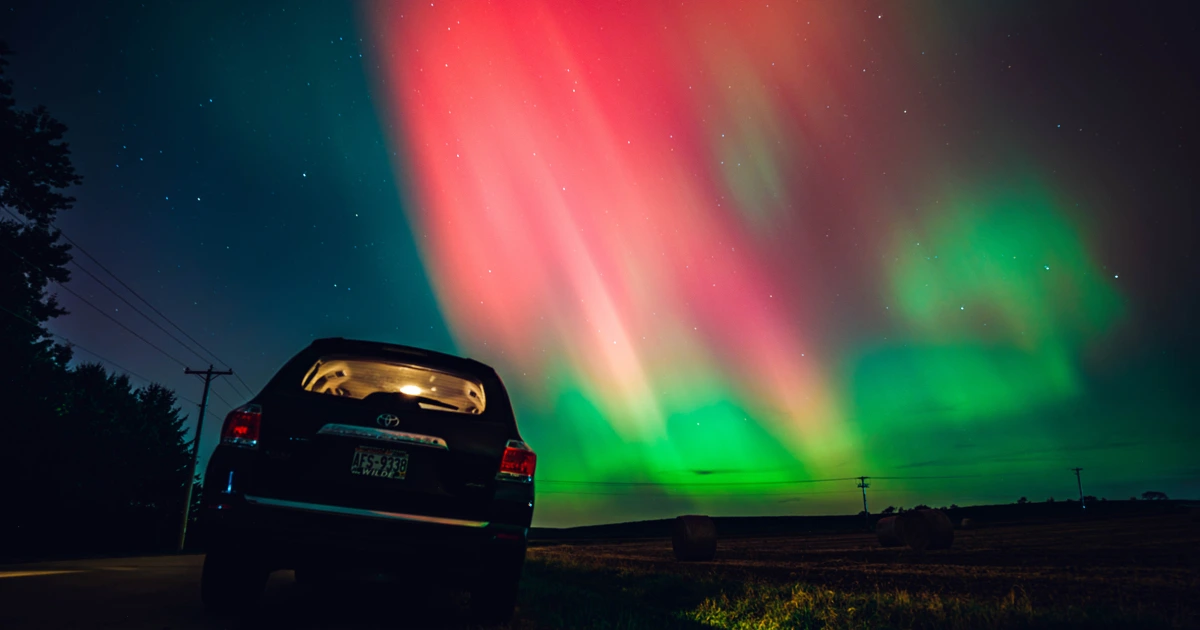
Scientists now confirm that millions of Americans across dozens of states could see the Northern Lights, some from places where auroras were once considered scientifically improbable. From rural Midwest towns to suburban backyards, the sky may soon glow in unfamiliar shades of green, pink, and red.
But behind the excitement lies a shocking scientific twist—one that has researchers paying closer attention than ever before.
Why Are the Northern Lights Suddenly Visible Across the United States
The Sun Is Entering a Dangerous and Beautiful Phase
The primary reason behind this surge in aurora visibility is the Sun’s current position in Solar Cycle 25, part of an 11-year cycle that governs solar behavior.
As the Sun approaches solar maximum, it releases:
- Powerful solar flares
- Coronal mass ejections (CMEs)
- High-energy charged particles traveling toward Earth
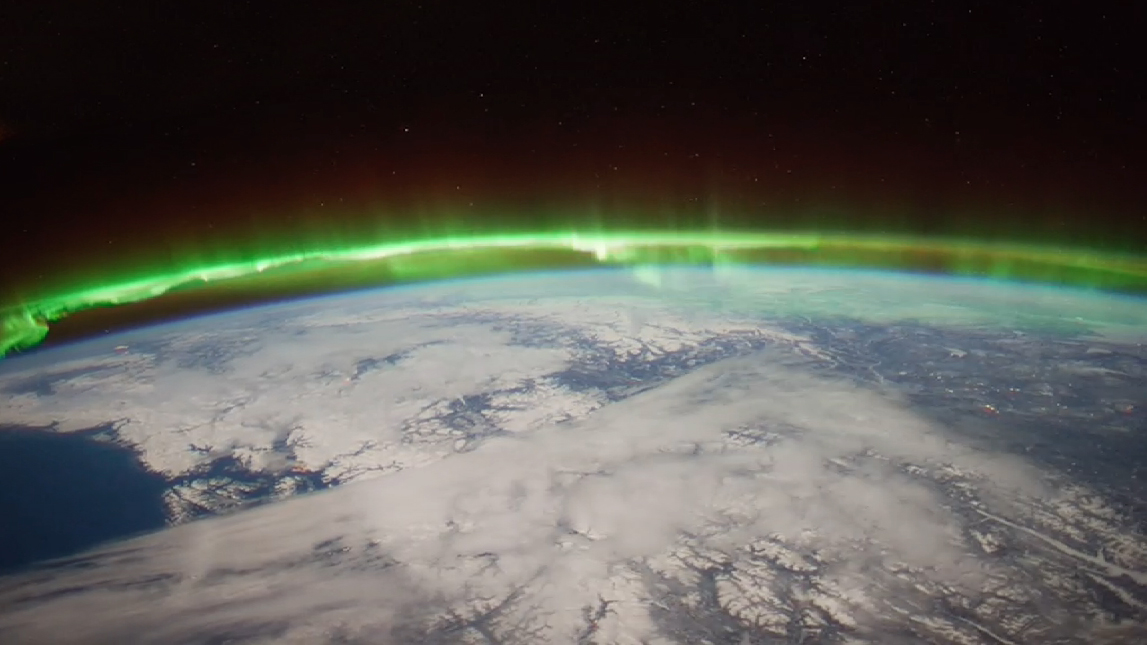
When these particles interact with Earth’s magnetic field, they energize gases in the upper atmosphere, creating auroras.
What makes this week different is the strength, speed, and alignment of the solar storm.
Real-life example:
In previous decades, auroras rarely passed south of Minnesota. In recent years, however, people in Texas, Alabama, and Arizona have captured aurora photos on their phones—something unheard of just 15 years ago.
The Shocking Scientific Twist Experts Did Not Expect
Earth’s Magnetic Shield Is Behaving Differently
The most surprising discovery is not the aurora itself—it’s how Earth’s magnetic field is responding.
Scientists have observed that during intense geomagnetic storms:
- Earth’s magnetic field temporarily compresses
- Certain regions experience momentary magnetic weakening
- Auroral zones stretch farther toward the equator
This allows solar particles to penetrate deeper into the atmosphere, producing auroras in places they were never meant to appear.
NASA researchers stress this does not mean Earth is losing protection permanently. Instead, it reveals that the planet’s magnetic field is more dynamic and responsive than older models suggested.
How Earth’s Magnetic Field Is Changing the Aurora Map
Earth’s magnetic field is constantly shifting. The magnetic north pole has been drifting faster than predicted, and satellite measurements show uneven magnetic strength across regions.
These changes have real consequences:
- Auroras appear at lower latitudes
- Storm intensity feels stronger on the ground
- Prediction models struggle to keep up
Real-life example:
Commercial airline pilots flying over the central US have reported unexpected auroral glows at cruising altitude—sights once limited to polar routes.
What Colors of Northern Lights Could Americans See This Week
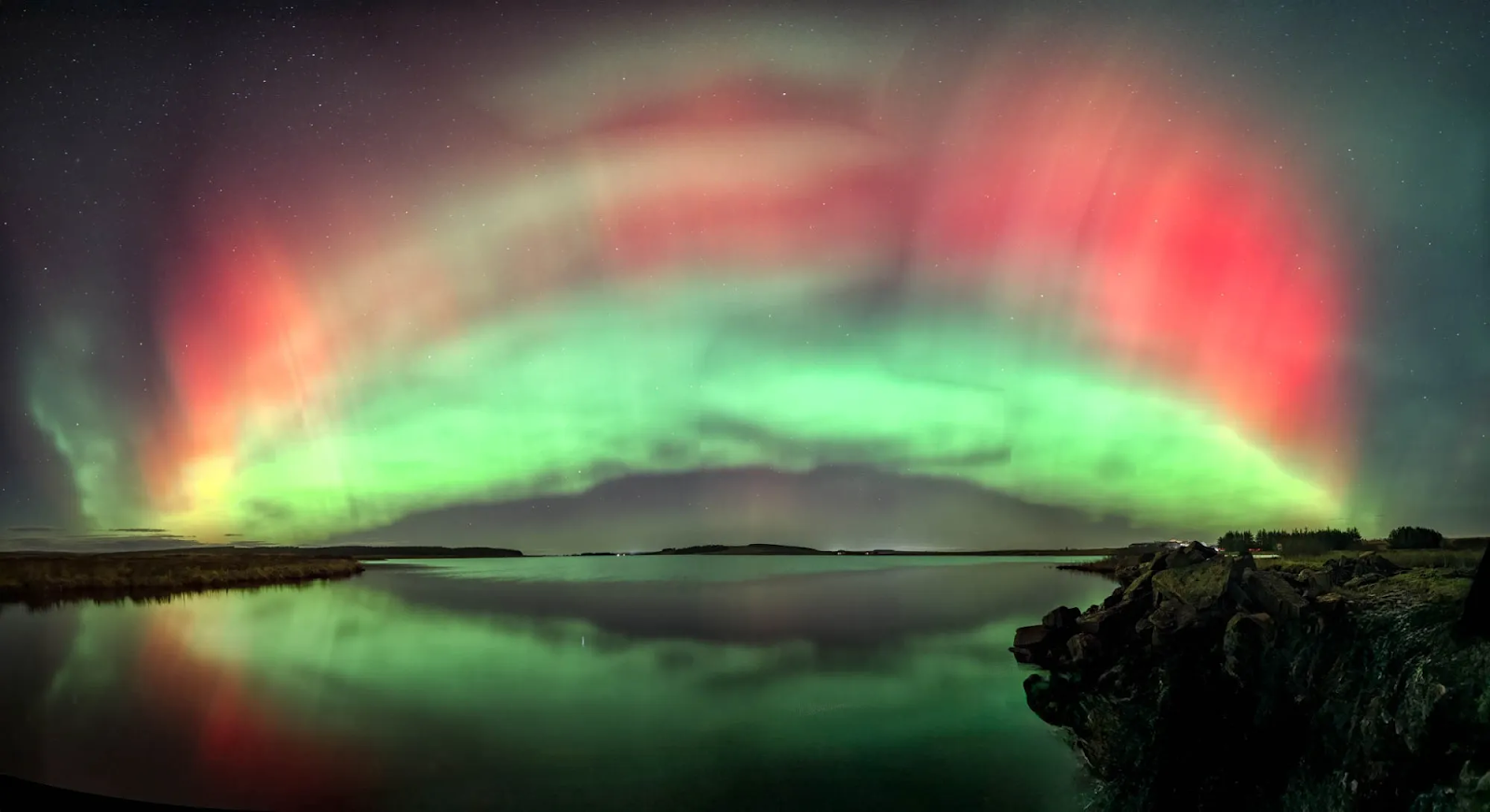
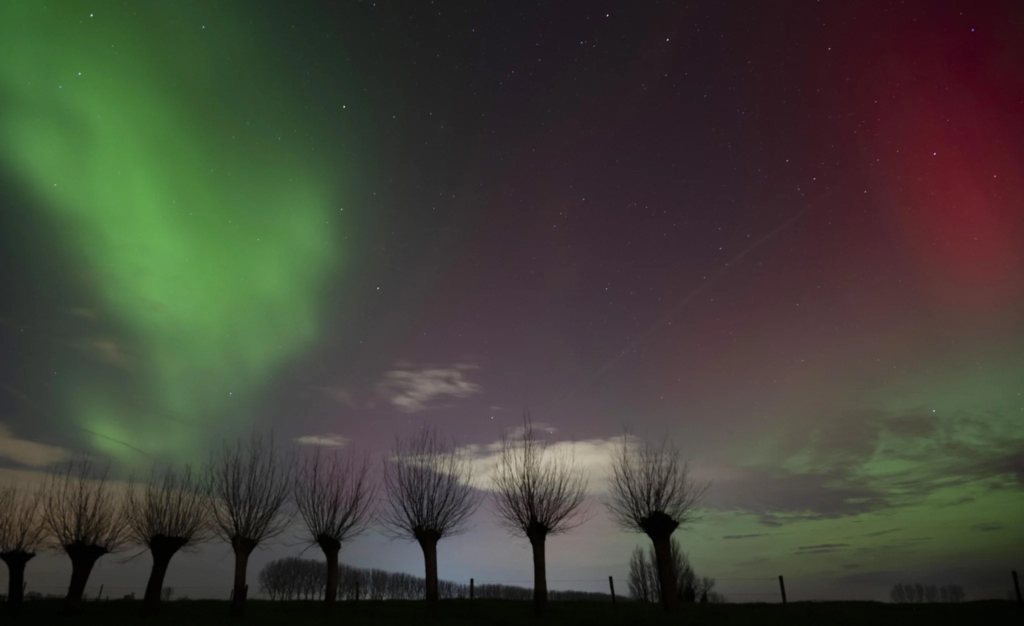
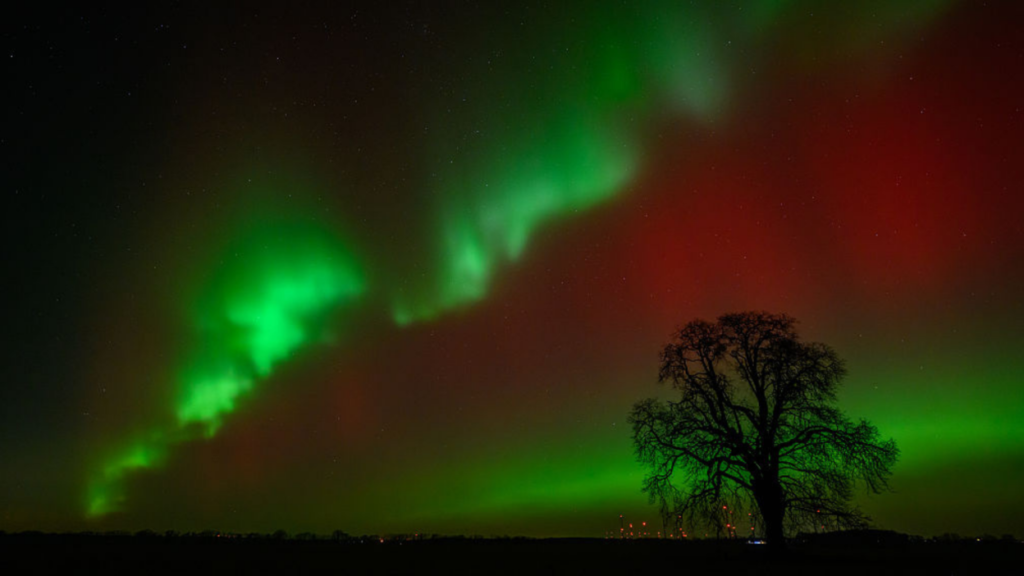
Auroras are no longer just green.
This storm may produce rare color combinations due to higher altitude particle collisions.
Possible colors include:
- Green caused by oxygen at lower altitudes
- Red from high-altitude oxygen rarely visible in the US
- Purple and pink from nitrogen excitation
- Pale white shimmering bands during peak intensity
Real-life example:
During a recent geomagnetic storm, residents in New Mexico mistook pink auroras for distant city lights—until photos confirmed otherwise.
Which US States Are Most Likely to See the Northern Lights
States With the Highest Probability
- Alaska
- Minnesota
- North Dakota
- Montana
- Michigan
- Washington
States With Strong Potential During Peak Activity
- Wisconsin
- Iowa
- South Dakota
- New York
- Vermont
- Maine
Rare but Possible Sightings
- Texas
- Alabama
- Georgia
- North Carolina
- Northern California
Visibility depends on darkness, weather, and storm timing rather than population size.
Why This Aurora Event Is More Than Just a Beautiful Sky
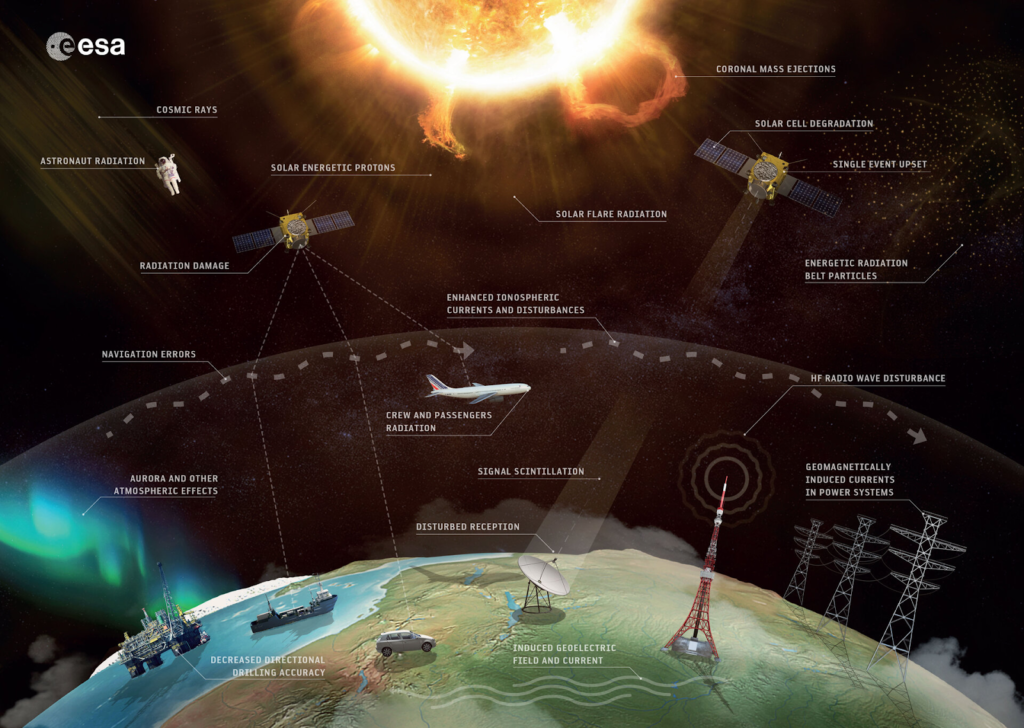
Auroras are a visible sign of space weather, which can have real-world impacts.
Strong geomagnetic storms can affect:
- Power grids
- GPS accuracy
- Aviation navigation
- Satellite communication
- Internet infrastructure
Real-life example:
In 1989, a geomagnetic storm triggered a massive power outage in Quebec, leaving millions without electricity for nine hours.
Today, society is even more dependent on digital systems, making space weather more relevant than ever.
Could This Solar Storm Affect Phones Internet or GPS
For most people, daily life will continue normally.
However, scientists warn of:
- Minor GPS inaccuracies
- Temporary radio signal interference
- Increased satellite drag affecting orbital paths
Modern systems are built with safeguards, but this event highlights the growing importance of space weather monitoring.
Why Scientists Believe Auroras Will Become More Common in America
Experts predict that auroras will no longer be once-in-a-generation events for Americans.
Reasons include:
- Stronger solar cycles
- Improved detection technology
- Shifts in Earth’s magnetic field
- Better public awareness
In the coming years, seeing auroras from the continental US may become increasingly normal.
How to Maximize Your Chances of Seeing the Northern Lights
To improve visibility:
- Move away from city lights
- Face north after sunset
- Watch between 10 PM and 2 AM
- Use a smartphone night camera
- Check NOAA space weather forecasts
Real-life example:
Many first-time viewers report seeing nothing for hours—until the sky suddenly comes alive in motion and color.
The Emotional Impact of Seeing Auroras for the First Time
Auroras create powerful emotional reactions.
People often describe:
- A sense of connection to the universe
- Awe and silence during peak displays
- Childhood wonder resurfacing
- Shared moments with family and strangers
These events create rare collective experiences across communities.
Why Scientists Are Both Excited and Concerned
Auroras offer valuable scientific insight into Earth’s magnetosphere.
Scientists are excited because:
- Auroras validate space weather models
- Public participation increases data collection
- New discoveries become possible
But concern remains because stronger storms expose vulnerabilities in modern infrastructure.
What This Means for the Future of Space Weather Science
Governments and research agencies are now investing in:
- AI-driven aurora prediction models
- Real-time solar observation satellites
- Public alert systems
- Infrastructure resilience planning
The Northern Lights are becoming both a scientific tool and a public warning signal.
10 Frequently Asked Questions About This Aurora Event
Can the Northern Lights really be seen in the southern United States
Yes during powerful geomagnetic storms auroras can extend far south
Is it safe to watch the Northern Lights
Yes auroras pose no health risk
Why do cameras capture auroras better than eyes
Cameras detect light wavelengths the human eye struggles to see
Can auroras damage personal electronics
No they do not directly affect personal devices
How long will this aurora event last
From several hours to multiple nights depending on solar activity
Are auroras becoming more frequent
Yes due to increased solar activity and better detection
Do auroras make noise
Rare reports exist but science has not confirmed it conclusively
What time is best to see auroras
Usually between late evening and early morning
Where can I track aurora forecasts
NOAA Space Weather Prediction Center
Does seeing auroras mean a disaster is coming
No it simply indicates strong solar interaction with Earth
Final Thoughts Why This Week Matters
This week’s Northern Lights are not just a spectacle—they are a message.
They reveal a changing relationship between Earth and the Sun, a reminder that our planet exists within a powerful cosmic system. For millions of Americans, this may be the first time the universe feels close enough to touch.
If the sky glows tonight, you are not just witnessing beauty—you are witnessing science in motion.