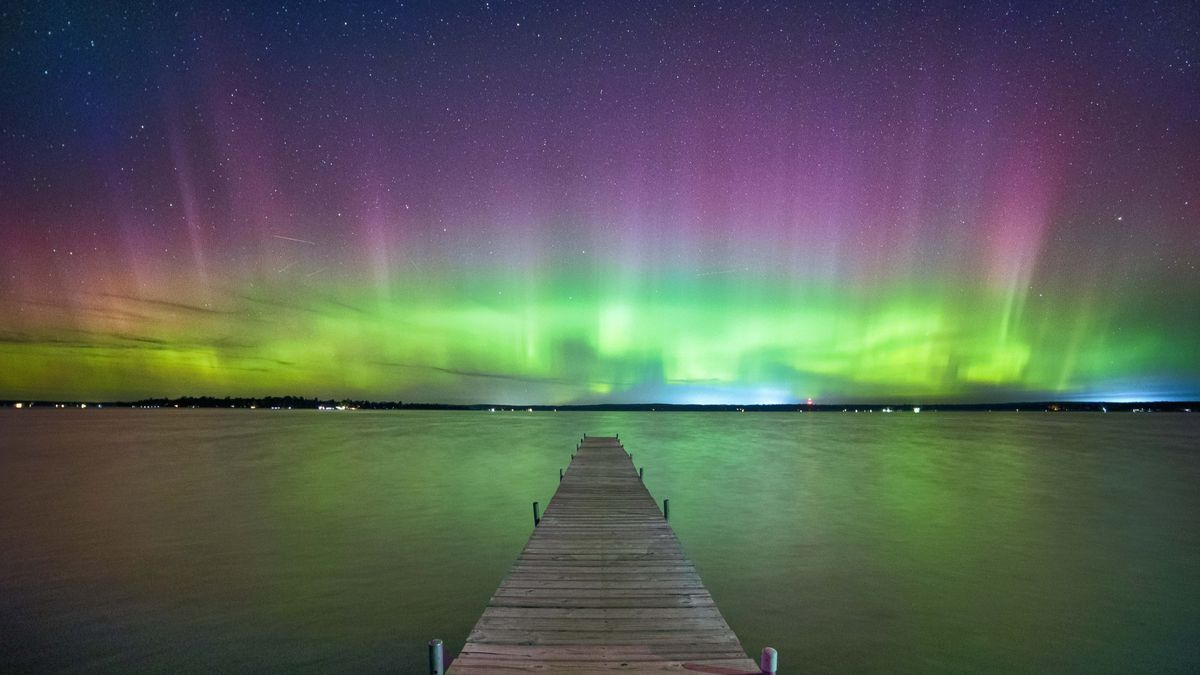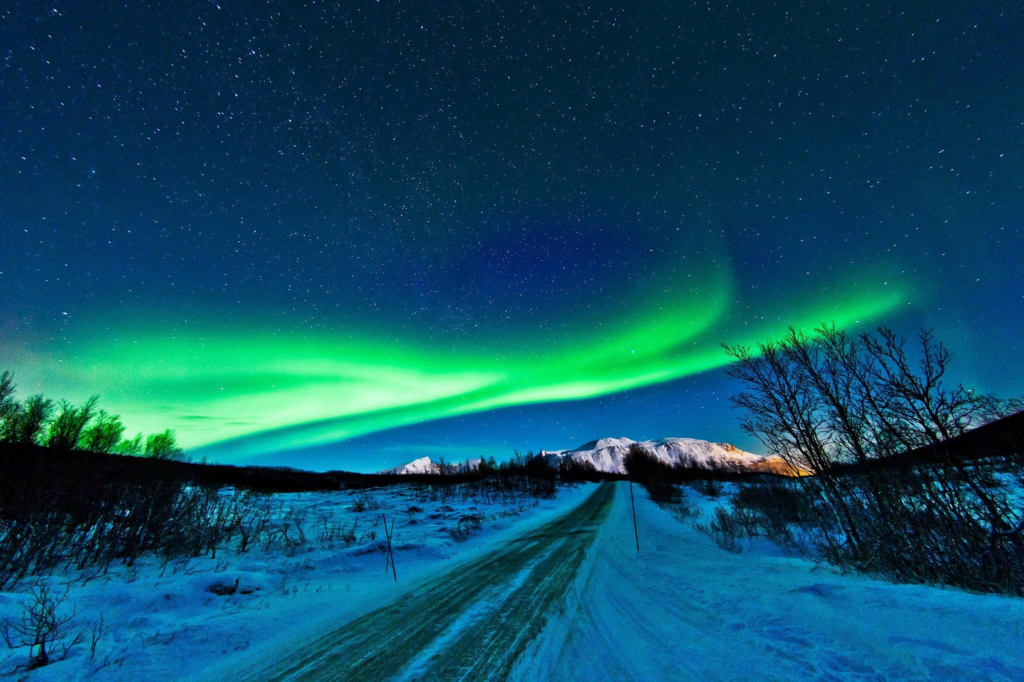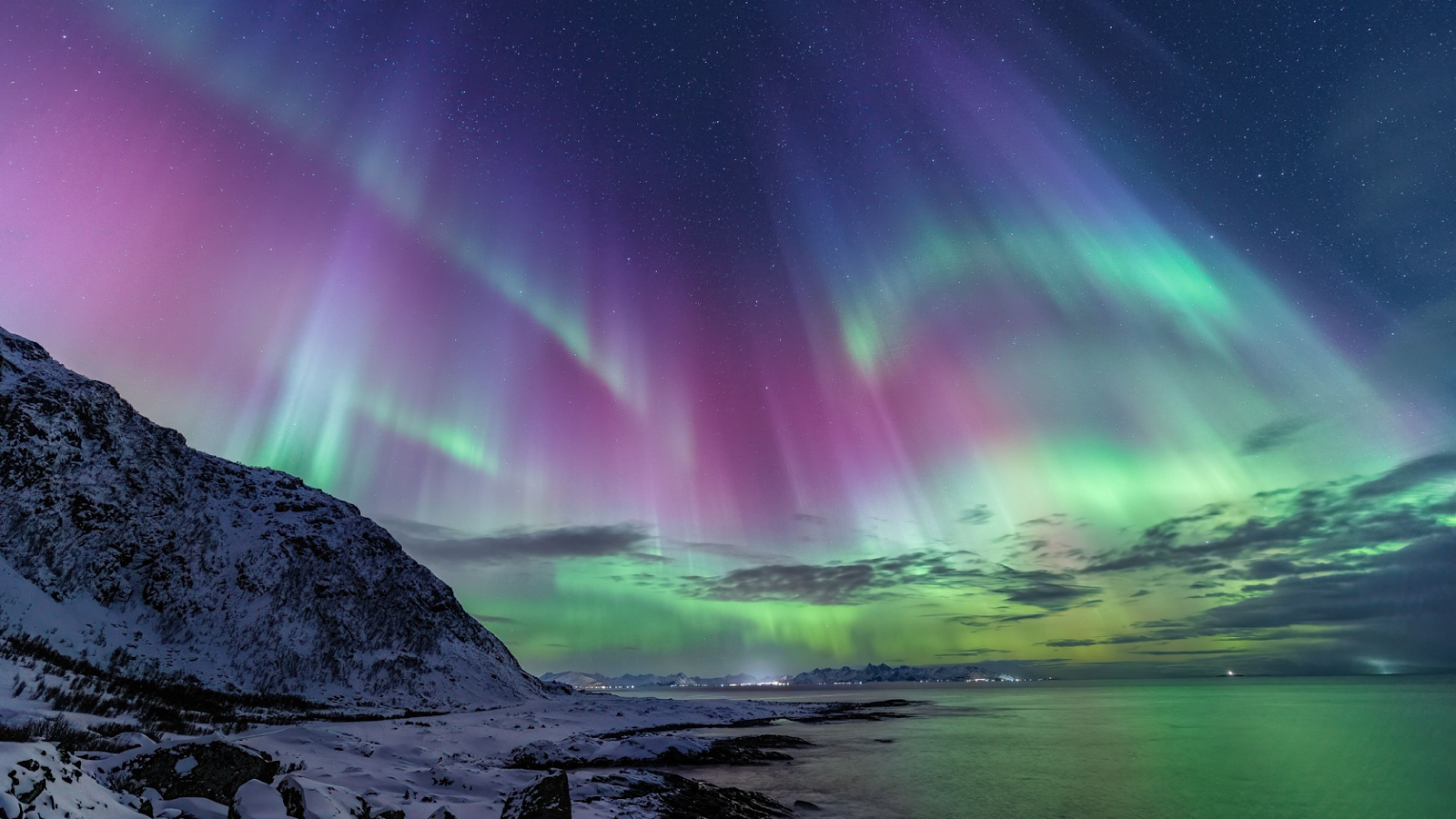
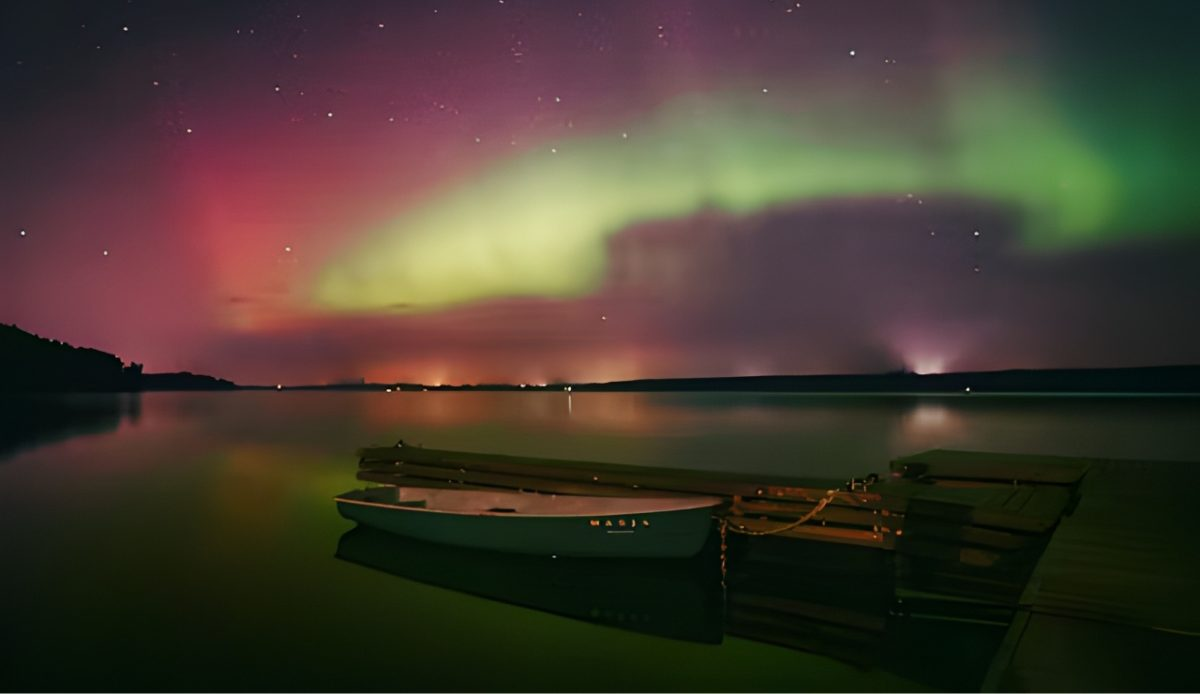
The northern lights are no longer confined to Alaska. Across the United States—from quiet valleys in Idaho to rural coastlines in Maine—hidden aurora hotspots are emerging, often unnoticed even by locals. Fueled by increased solar activity, these overlooked locations are producing stunning displays. This guide reveals where Americans are seeing auroras, why these places work, and how to spot the lights yourself.
Introduction: The Northern Lights Are Closer Than Most Americans Think
For decades, the northern lights felt like a distant dream for most Americans. You either traveled to Alaska, crossed into Canada, or flew overseas to Iceland or Scandinavia. The idea that auroras could appear regularly in the continental United States felt unrealistic—almost mythical.
Yet over the past few years, something remarkable has been happening quietly across the country.
From rural Idaho highways to snow-covered fields in Maine, Americans are stepping outside and witnessing glowing skies without ever planning to do so. In many cases, they don’t even realize what they’re seeing until hours—or days—later. Photos posted online are often met with disbelief, with commenters asking, “Is this really from the U.S.?”
The truth is simple and surprising: the U.S. aurora map is far larger than most people realize. And some of the best locations aren’t famous parks or tourist hubs—they’re places even locals overlook.
Why Are Auroras Appearing in Unexpected U.S. Locations?
The recent surge in aurora sightings across the U.S. is driven by a powerful natural cycle that scientists have been tracking closely.
According to NASA and the NOAA Space Weather Prediction Center, the Sun is currently in Solar Cycle 25, an active phase of its roughly 11-year cycle. During this phase:
- Solar flares occur more frequently
- Coronal mass ejections (CMEs) become stronger
- Earth’s magnetic field is disturbed more often
When charged solar particles collide with Earth’s atmosphere, they create auroras. During strong geomagnetic storms, the auroral oval expands southward—sometimes dramatically.
This is why auroras are now being seen:
- More often than in the past decade
- Farther south than many people expect
- In states never marketed as aurora destinations
What Makes an Aurora Location “Hidden”?
Hidden aurora locations are not accidental. They share common traits that allow auroras to appear clearly, yet remain unnoticed.
Key characteristics include:
- Very low light pollution
- Open views of the northern horizon
- Cold, stable air (especially in winter)
- Low population density
- Limited local awareness of aurora activity
Many of these places don’t promote night-sky tourism. Locals often assume nothing happens in the sky above them—so they don’t look.
Idaho: The Unexpected Mountain Aurora State
Idaho is rarely mentioned in aurora conversations, yet it has quietly become one of the most underrated states for northern lights sightings.
Why Idaho Works
Northern and central Idaho sit at favorable latitudes, especially when combined with:
- High elevation
- Sparse population
- Extensive forest and wilderness areas
These factors create dark skies that allow even faint auroras to stand out.
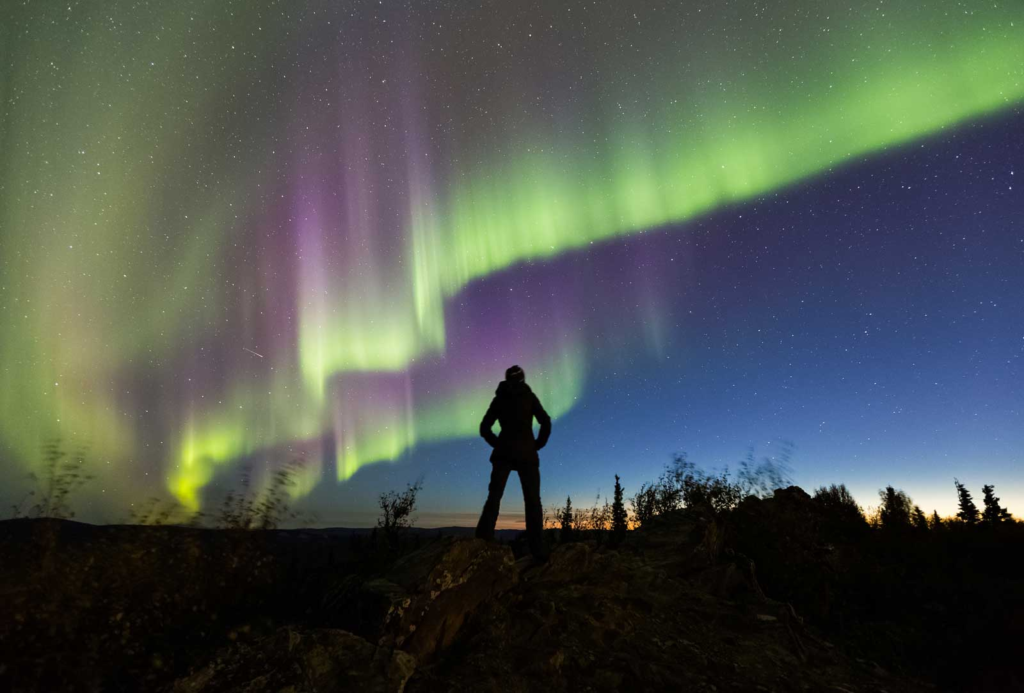
Hidden Idaho Aurora Locations
- Remote valleys near the Montana border
- High desert plateaus away from towns
- Isolated lakes surrounded by forest
Real-Life Example
Campers near a remote northern Idaho lake described stepping outside after midnight and seeing pale green arcs above the treeline. At first, they thought it was thin cloud cover—until the sky began to ripple. Phone photos later confirmed a full aurora display.
Many Idaho residents have no idea this happens in their own state.
Montana: Big Sky Country’s Best-Kept Secret
Montana’s wide-open landscapes make it one of the best aurora states in the Lower 48, yet much of its aurora potential remains unnoticed.
Why Montana Excels
- Vast open plains
- Minimal artificial lighting
- Northern latitude
- Frequent clear winter nights
Hidden Montana Aurora Zones
- Eastern Montana plains
- Rural ranchland far from highways
- River valleys with unobstructed views
Real-Life Example
Ranchers in eastern Montana reported auroras bright enough to reflect off snow and illuminate fence lines. Some assumed it was distant lightning until neighbors confirmed the sky was glowing across the entire horizon.
North Dakota: One of America’s Most Reliable Aurora States
North Dakota rarely appears on travel bucket lists, but for aurora watchers, it is a quiet powerhouse.
Why North Dakota Works
- Flat terrain with wide sky visibility
- Extremely low light pollution
- Northern geomagnetic positioning
Overlooked Viewing Areas
- Rural highways
- Small farming communities
- Remote lakes and open fields
Real-Life Example
During a strong geomagnetic storm, residents near a small North Dakota town noticed a red glow creeping across the sky. Many dismissed it as city light pollution—until it began shifting and pulsing. By the time they realized it was an aurora, the display had already peaked.
Minnesota: Beyond the Famous Aurora Spots
Northern Minnesota is well known among photographers, but even here, many locals underestimate how often auroras appear.
Hidden Minnesota Locations
- Quiet lakes outside tourist areas
- Remote sections of the Boundary Waters
- Small towns far from highways
Real-Life Example
A family living near a northern Minnesota lake reported seeing auroras multiple times in one winter—often without planning. They described the lights as “something that just happens here,” not a special event.
For many locals, auroras are part of the landscape—but rarely discussed.
Michigan’s Upper Peninsula: An Aurora Stronghold Few Locals Talk About
The Upper Peninsula of Michigan has become one of the most reliable aurora regions in the continental U.S.
Why the UP Is Ideal
- Northern latitude
- Surrounded by Lake Superior
- Dark skies across open water
Overlooked Viewing Spots
- Remote shoreline roads
- Small fishing villages
- Inland lakes far from towns
Real-Life Example
Drivers along Lake Superior have pulled over after noticing green reflections above the frozen water. Many initially thought it was light pollution—until the sky began to move in slow, glowing waves.
Wisconsin: The Quiet Aurora Neighbor
Northern Wisconsin often falls under aurora alert zones, yet remains overlooked.
Why Wisconsin Works
- Dark northern counties
- Lakes and forests away from cities
- Proximity to stronger aurora regions
Auroras here are often faint but visible—especially during stronger storms.
New York & New England: Aurora Potential Most People Ignore
Auroras in the Northeast are no longer as rare as people assume.
Northern New York
Areas near the Canadian border have seen increasing aurora activity during geomagnetic storms.
Vermont & New Hampshire
Higher elevations and dark skies occasionally produce stunning displays.
Maine: America’s Eastern Aurora Frontier
Maine may be the most surprising aurora state of all.
Why Maine Works
- Northern latitude
- Cold, stable air
- Rural darkness
- Clear northern horizons
Hidden Maine Locations
- Aroostook County
- Rural farmland near Canada
- Quiet coastal stretches
Real-Life Example
Residents in northern Maine have captured auroras reflecting off frozen rivers and snow-covered fields. Viewers online often assume the photos were taken in Alaska.
Even lifelong Mainers are surprised by how often auroras appear.
Why Locals Often Miss Auroras in Their Own State
Auroras stay hidden for psychological reasons as much as physical ones.
Locals often:
- Assume auroras don’t happen where they live
- Don’t check space-weather forecasts
- Avoid going outside late at night
- Mistake auroras for clouds or city glow
Visitors sometimes spot auroras more often than residents—simply because they’re looking.
Best Time of Year to See Auroras in These Locations
Auroras occur year-round, but some periods are better.
Peak seasons
- September–October
- February–March
Best viewing hours
- 10:00 PM to 2:00 AM local time
Longer nights and clearer skies increase visibility dramatically.
How to Increase Your Chances Without Becoming an Expert
You don’t need advanced knowledge or equipment.
Practical tips:
- Check NOAA aurora forecasts
- Get away from city lights
- Face north
- Let your eyes adjust
- Use your phone camera to detect faint colors
Many Americans see auroras accidentally—just by stepping outside.
Are Auroras Becoming More Common in the U.S.?
Temporarily, yes.
NASA and NOAA confirm Solar Cycle 25 will remain active through 2026, increasing:
- Frequency of geomagnetic storms
- Southward aurora reach
- Visibility in hidden U.S. locations
This is one of the best aurora windows in decades.
Frequently Asked Questions (10 Relevant FAQs)
1. Can you really see the northern lights in the U.S.?
Yes. Many northern and central states see auroras during geomagnetic storms.
2. Which U.S. states have hidden aurora locations?
Idaho, Montana, North Dakota, Minnesota, Michigan, Wisconsin, and Maine.
3. Do auroras require special equipment?
No. Many auroras are visible to the naked eye.
4. Why do auroras look red in southern states?
Red auroras form at higher altitudes during strong solar storms.
5. What is the Kp index?
A scale from 0 to 9 measuring geomagnetic activity.
6. Are auroras dangerous?
No. Auroras pose no health risks.
7. Can auroras appear in summer?
Yes, but shorter nights make them harder to see.
8. Why don’t locals notice auroras?
They often assume auroras don’t happen where they live.
9. How far south can auroras reach?
During extreme storms, auroras have reached Texas and Florida.
10. Will auroras continue appearing in these states?
Yes, especially through 2026 while solar activity remains high.
Final Thoughts: The Aurora Map Is Bigger Than Anyone Realized
From Idaho’s quiet valleys to Maine’s frozen rivers, auroras are appearing in places most Americans never think to look. These locations don’t advertise themselves, and locals often overlook the sky above them.
But for those willing to step outside, turn off the lights, and look north, the reward can be extraordinary.
The northern lights are no longer just a destination.
They are quietly becoming part of everyday America.