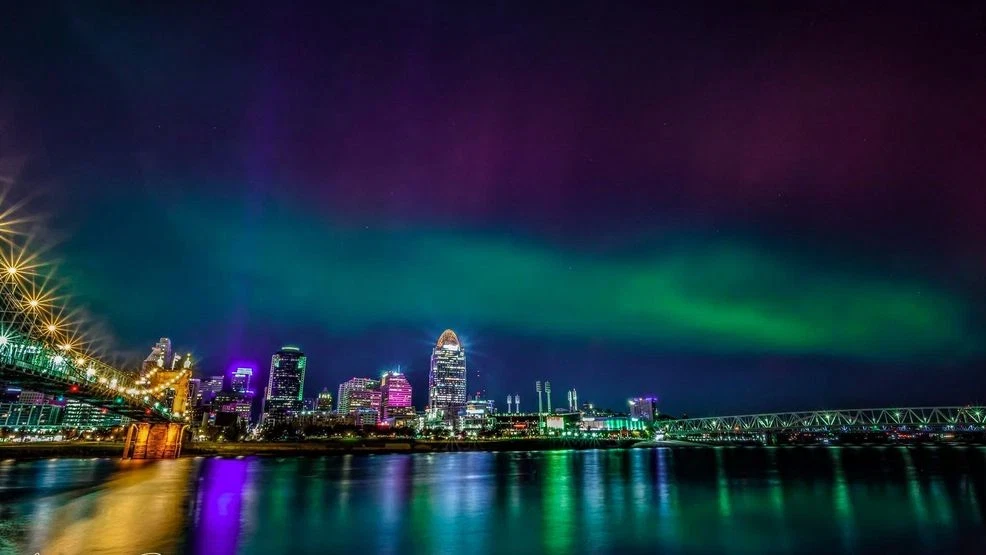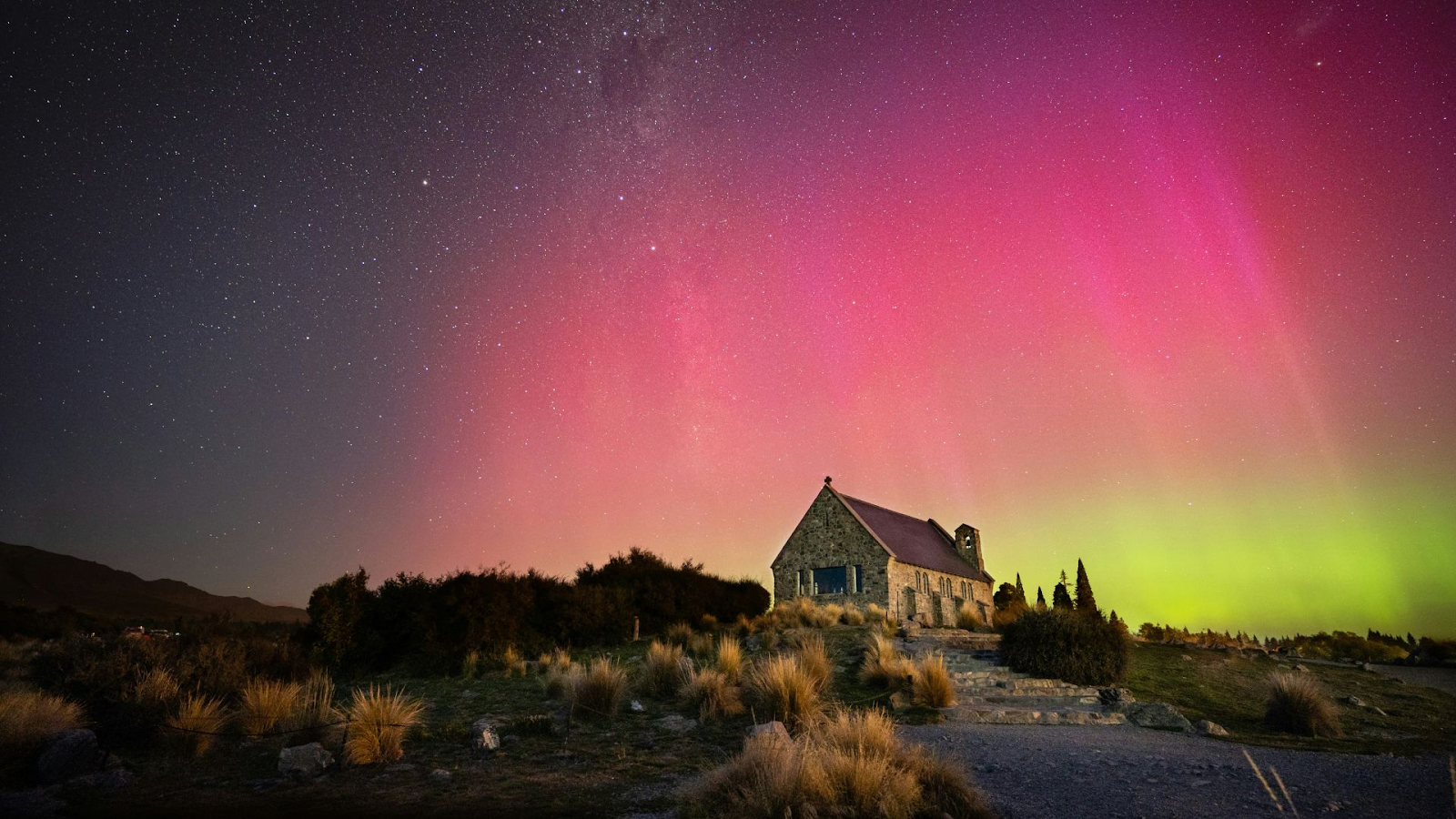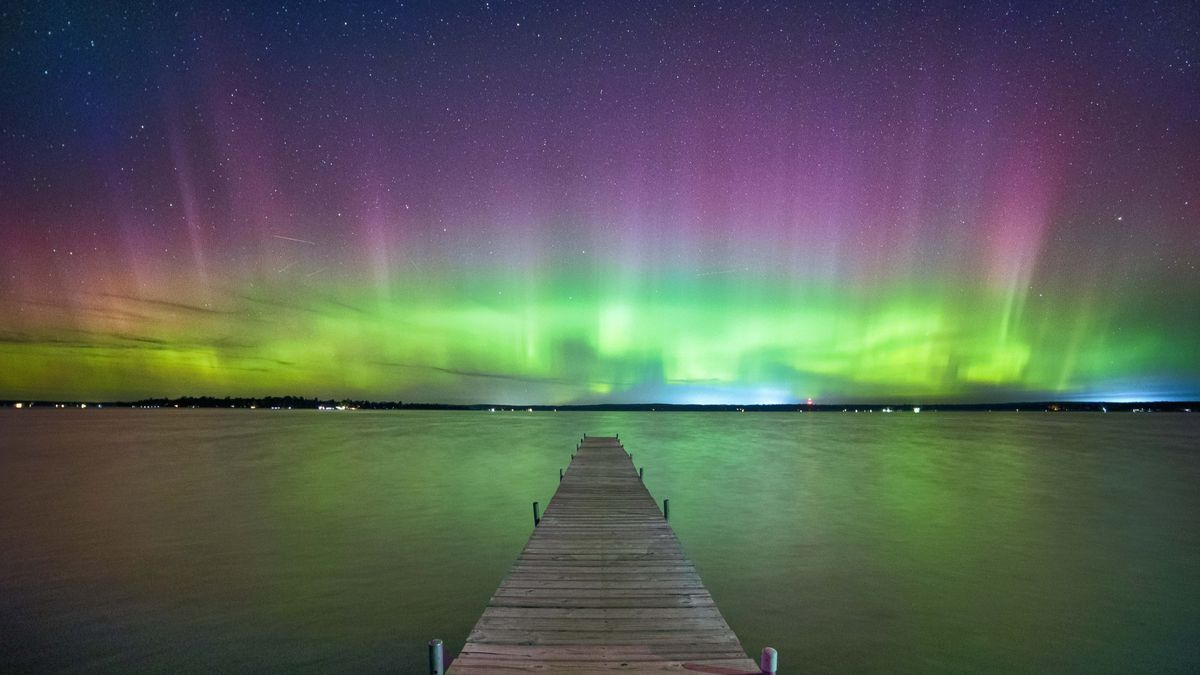
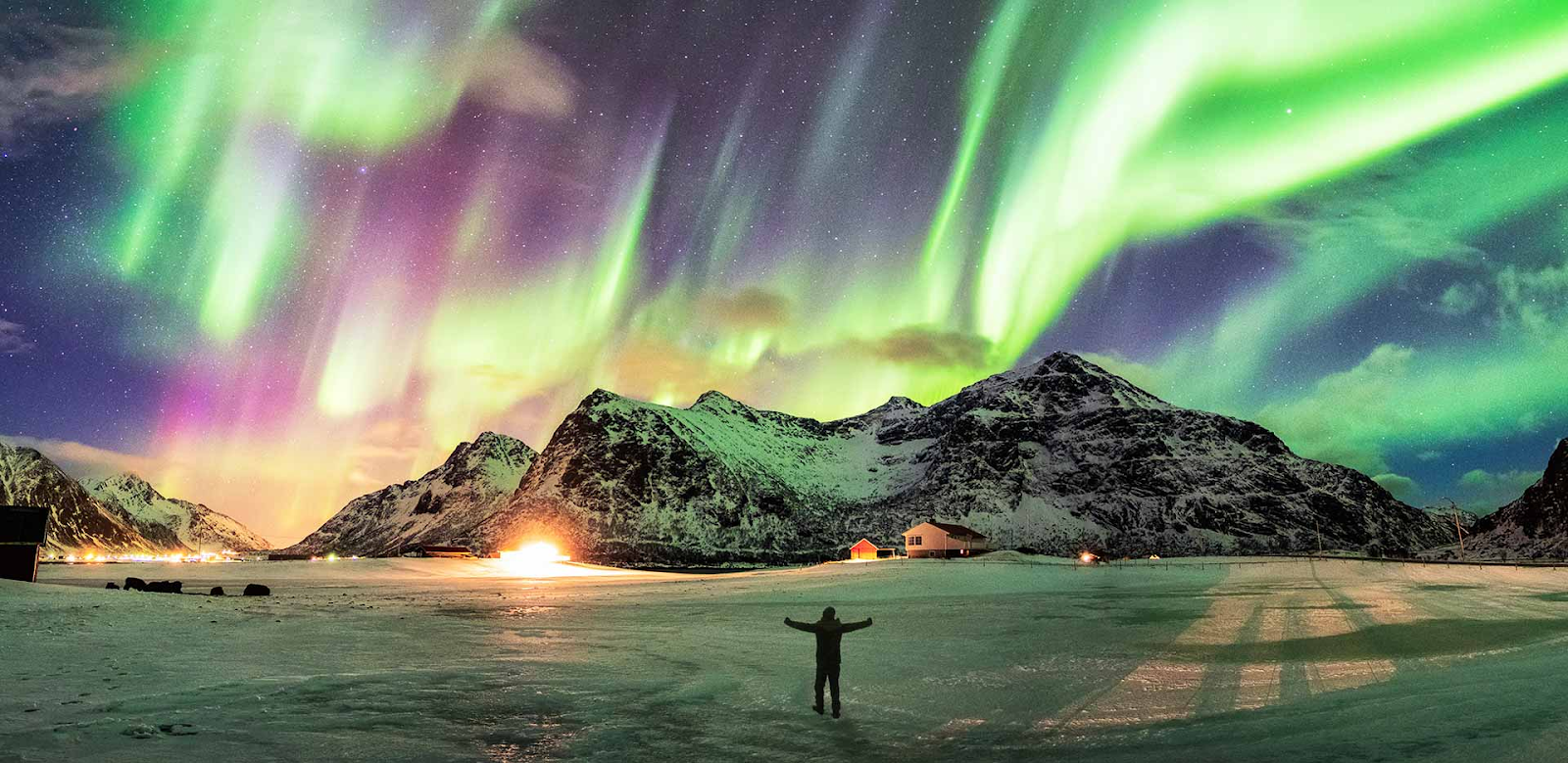
For years, Fairbanks dominated aurora tourism—but that’s rapidly changing. Across the United States, Americans are discovering unexpected northern lights hotspots from Michigan and Minnesota to Montana and Maine. Driven by powerful solar storms and Solar Cycle 25, auroras are appearing farther south and more frequently. This guide reveals where to see them, why it’s happening, and how Americans are experiencing the lights without traveling to Alaska.
Introduction: Why the Northern Lights Story Is Changing in America
For decades, one destination dominated every conversation about seeing the northern lights in the United States: Fairbanks, Alaska. It became a bucket-list pilgrimage for travelers chasing the aurora borealis—complete with tour buses, lodges, and expensive winter packages promising glowing green skies.
But something remarkable has happened over the last few years.
Americans across the Lower 48 have begun sharing photos, videos, and firsthand accounts of auroras appearing in places that were never considered serious viewing locations before. Small towns in the Midwest, rural highways in the Northern Plains, frozen lakes near the Canadian border, and even parts of the Northeast are suddenly lighting up.
These aren’t isolated incidents. They’re part of a broader astronomical shift that scientists, photographers, and everyday skywatchers are all noticing at once.
The northern lights are no longer confined to Alaska—and Fairbanks is no longer the only place Americans are discovering their magic.
Why Are Americans Seeing Auroras Outside Alaska Now?
The surge in aurora sightings across the United States is not a coincidence, social media illusion, or camera trick. It’s the result of well-documented solar behavior.
The Science in Plain English
The Sun operates on an approximately 11-year solar cycle, swinging between quiet periods and intense activity. We are currently in Solar Cycle 25, which space agencies like NASA and NOAA confirm is stronger than initially predicted.
During peak solar activity:
- The Sun releases powerful solar flares
- Massive clouds of charged particles, called coronal mass ejections (CMEs), are sent toward Earth
- These particles collide with Earth’s magnetic field, triggering geomagnetic storms
When these storms are strong enough, the auroral oval—the region where auroras typically appear—expands southward, sometimes dramatically.
According to the NOAA Space Weather Prediction Center, recent geomagnetic storms have pushed auroras into 30+ U.S. states during peak events.
Why Fairbanks Is No Longer the Only Aurora Destination
Fairbanks remains one of the most consistent places on Earth to see auroras. But consistency is no longer the only factor Americans care about.
Many travelers are discovering that:
- You don’t need to fly internationally or to remote Alaska
- You don’t need guided tours to see auroras
- You can experience the lights closer to home, often spontaneously
Hidden aurora hotspots offer something Fairbanks sometimes cannot:
- Lower cost travel
- Less commercialized experiences
- Dramatic natural foregrounds like lakes, mountains, plains, and coastlines
- Personal, unexpected encounters rather than scheduled excursions
This shift is changing how Americans talk about and search for auroras online.
What Makes a “Hidden” Aurora Hotspot?
Not every northern location qualifies. Successful aurora hotspots tend to share several characteristics:
- Northern latitude (generally above 40°)
- Minimal light pollution
- Open views of the northern horizon
- Cold, clear nights (especially in winter)
- Proximity to geomagnetic activity zones
When these factors align during a strong solar storm, the result can rival—sometimes even surpass—classic Alaska displays.
Michigan’s Upper Peninsula: America’s Quiet Aurora Capital
The Upper Peninsula of Michigan has quietly earned a reputation among photographers as one of the most reliable aurora regions in the Lower 48.
Surrounded by Lake Superior, Lake Michigan, and Lake Huron, the UP benefits from:
- Extremely dark skies
- Cold, stable winter air
- Northern exposure across open water
Real-Life Example
In Marquette, residents frequently report auroras visible several times per winter. During major geomagnetic storms, the lights stretch across Lake Superior, reflecting off frozen ice sheets and creating mirror-like visuals.
Local photographers often note that auroras in the UP:
- Appear brighter than expected
- Show visible motion
- Include red and purple hues during strong storms
For many Americans, Michigan is now their first aurora experience.
Northern Minnesota: Where Auroras Feel Almost Normal
In northern Minnesota, especially around Ely, Grand Marais, and the Boundary Waters Canoe Area Wilderness, auroras have become a familiar winter phenomenon.
Unlike tourist-heavy destinations, aurora sightings here often happen quietly—shared among locals rather than advertised.
Real-Life Example
During a major solar storm, residents near Lake Superior reported auroras lasting over six hours, with multiple waves appearing throughout the night. Some locals stepped outside simply because the sky “looked different,” only to realize the lights were active.
Northern Minnesota consistently ranks high in NOAA aurora probability maps, making it one of the most dependable hidden hotspots in the country.
Montana: Big Sky, Bigger Auroras
Montana’s wide-open landscapes provide one of the most dramatic backdrops for auroras in the United States.
With minimal population density and vast open plains, even moderate auroras become highly visible.
Real-Life Example
Near Glacier National Park, campers and photographers have captured auroras stretching from horizon to horizon—unobstructed by trees or buildings. Ranchers in rural areas often report auroras illuminating entire fields.
Montana auroras are often described as:
- Taller in the sky
- More structured
- Brighter against dark plains
North Dakota: The Most Underrated Aurora State
North Dakota rarely appears in travel lists—but it may be one of America’s best-kept aurora secrets.
Its advantages include:
- Northern latitude
- Extremely low light pollution
- Flat terrain offering full sky views
Real-Life Example
During recent geomagnetic storms, auroras were visible as far south as Bismarck, surprising residents who had never seen them before. In rural areas, the sky appeared “alive,” according to eyewitnesses.
Aurora chasers increasingly consider North Dakota a top Lower-48 destination.
Maine: Coastal Auroras Are No Longer Rare
Northern Maine, especially Aroostook County, has emerged as a surprising aurora hotspot.
Cold winters, clear air, and proximity to Canada make it ideal during solar storms.
Real-Life Example
In winter 2025, residents near Presque Isle captured auroras reflecting off frozen rivers and snow-covered fields. Some sightings included faint red auroras visible without cameras—something once considered rare at that latitude.
Maine’s coastal and rural auroras are now regularly documented.
Washington, Idaho, and Wyoming: Mountain Auroras on the Rise
Higher elevations in the western U.S. are contributing to more aurora sightings.
Washington State
Eastern Washington and the Olympic Peninsula benefit from dark skies and elevation.
Idaho and Wyoming
Mountain regions near Yellowstone and the Rockies have seen auroras during fall and spring—outside traditional winter windows.
Real-Life Example
Campers in Wyoming reported auroras appearing suddenly after midnight, illuminating mountain ridges with green and violet tones.
Can You Really See the Aurora Without Going to Alaska?
Yes—and increasingly often.
During strong geomagnetic storms, timing matters more than latitude. If you are:
- North of latitude 40°
- Away from city lights
- Under clear skies
You have a real chance of seeing auroras during peak events.
Many Americans see their first aurora by accident—not through planned travel.
Best Time of Year to See Auroras in the U.S.
Auroras can occur year-round, but certain periods are more favorable.
Best seasons
- September–October
- February–March
Best time of night
- 10:00 PM to 2:00 AM local time
Best conditions
- Kp index of 6 or higher
- Clear skies
- Minimal moonlight
How Americans Are Accidentally Seeing Auroras
One of the most interesting trends is how often auroras are spotted unexpectedly.
Common scenarios include:
- Late-night highway drives
- Camping trips
- Power outages reducing light pollution
- Stepping outside after noticing unusual sky glow
Real-Life Example
A family in Minnesota reported pulling over on a rural road after noticing “moving clouds.” Within minutes, the sky erupted in green curtains.
How to Improve Your Chances (Without Becoming an Expert)
You don’t need professional gear or deep scientific knowledge.
Practical tips:
- Check NOAA aurora forecasts
- Avoid city lights
- Face north
- Allow 10–15 minutes for your eyes to adjust
- Use your phone camera to confirm faint auroras
Even smartphones often reveal colors before your eyes do.
Are Auroras Becoming More Common in the U.S.?
Temporarily, yes.
Solar Cycle 25 is expected to remain active through 2026, increasing the frequency and intensity of geomagnetic storms.
This makes the current period one of the best aurora windows in decades for Americans.
Why These Hotspots May Not Stay “Hidden”
As photos spread on social media, states are beginning to promote aurora tourism.
Expect:
- More visitors
- Organized viewing events
- Increased awareness
- Higher competition for dark-sky locations
What feels hidden today may become mainstream tomorrow.
Frequently Asked Questions (10 Trending FAQs)
1. Can you see the northern lights in the continental U.S.?
Yes. During strong geomagnetic storms, auroras are visible across many northern U.S. states.
2. Which U.S. states see auroras most often?
Alaska, Michigan, Minnesota, North Dakota, Montana, and Maine rank highest.
3. Do auroras require special equipment to see?
No. Auroras are visible to the naked eye, though cameras enhance color.
4. What Kp index is needed for U.S. auroras?
Kp 6–7 produces northern state visibility; Kp 8–9 can reach far south.
5. Are auroras dangerous to humans?
No. Auroras pose no direct health risk.
6. Why do auroras sometimes appear red?
High-altitude oxygen emissions produce red auroras during strong storms.
7. Can auroras appear in summer?
Yes, though darkness is limited in northern regions.
8. How far in advance can auroras be predicted?
Forecasts are reliable 24–72 hours ahead.
9. Does moonlight affect aurora visibility?
Yes. A bright moon can reduce visibility of faint auroras.
10. Will auroras reach southern states?
Rarely, but extreme storms can push auroras into Texas or Florida.
Final Thoughts: America’s Aurora Map Is Being Redrawn
Fairbanks will always be iconic. But the idea that it’s the only place Americans can experience the northern lights is no longer true.
From the Great Lakes and Northern Plains to coastal Maine and mountain valleys, auroras are appearing closer to home—often unexpectedly, often breathtakingly.
For Americans willing to look up, the sky is offering a once-in-a-generation show.