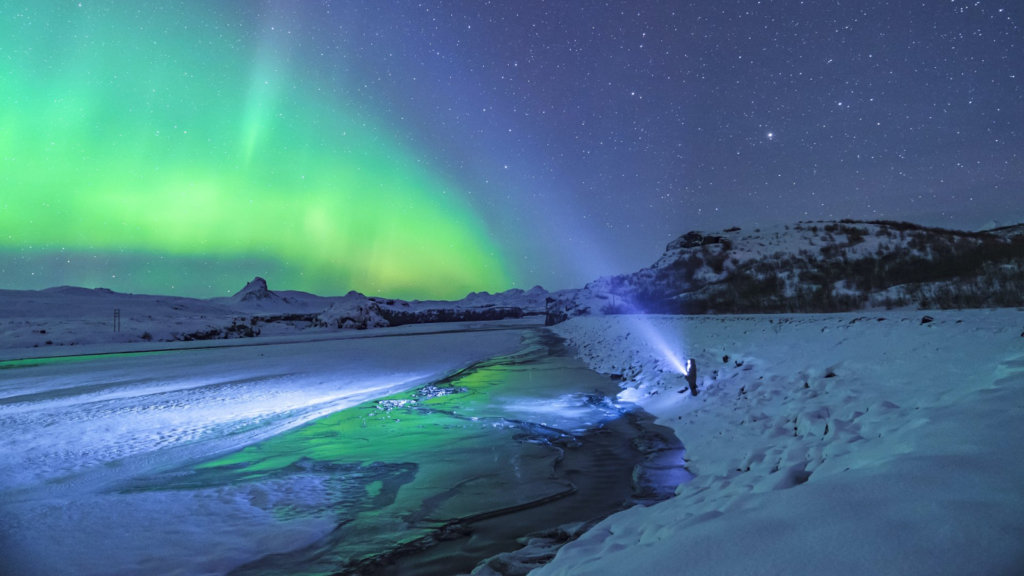
The Arctic aurora is far more mysterious and powerful than most people realize. From lights that move faster than jet planes to auroras visible thousands of miles from the Arctic Circle, new science and real-world sightings are rewriting what we know. This deep-dive reveals 15 rare, verified aurora facts that explain how they form, why they travel, and what makes them so extraordinary.
Why the Arctic Aurora Still Amazes Scientists in the Modern Age
Despite satellites, space probes, and decades of research, the Arctic aurora continues to surprise scientists. Every year, new data challenges old assumptions about how auroras form, how far they can travel, and how they interact with Earth’s magnetic environment.
For everyday people, auroras feel magical. For scientists, they are one of the most important visible signs of space weather — the invisible forces from the Sun that affect satellites, power grids, and even modern aviation.
What makes auroras unique is that they are both beautiful and functional. They are art painted by physics, visible proof that Earth is constantly interacting with the Sun.
Below are 15 rare Arctic aurora facts, backed by science and real-world observations, that most people have never heard — even those who have seen the Northern Lights in person.
Fact #1: Astronauts Say Auroras Look Completely Different From Space
Seeing an aurora from the ground is unforgettable. Seeing one from space is something else entirely.
Astronauts aboard the International Space Station (ISS) regularly photograph auroras from orbit. From that perspective, auroras don’t look like curtains — they look like massive glowing rivers wrapping around the planet.
From space, scientists can observe:
- The full oval shape of auroras
- How they expand during solar storms
- How Earth’s magnetic field funnels energy
NASA astronauts have described auroras as “living energy” surrounding Earth, offering visual proof of the planet’s magnetic shield in action.
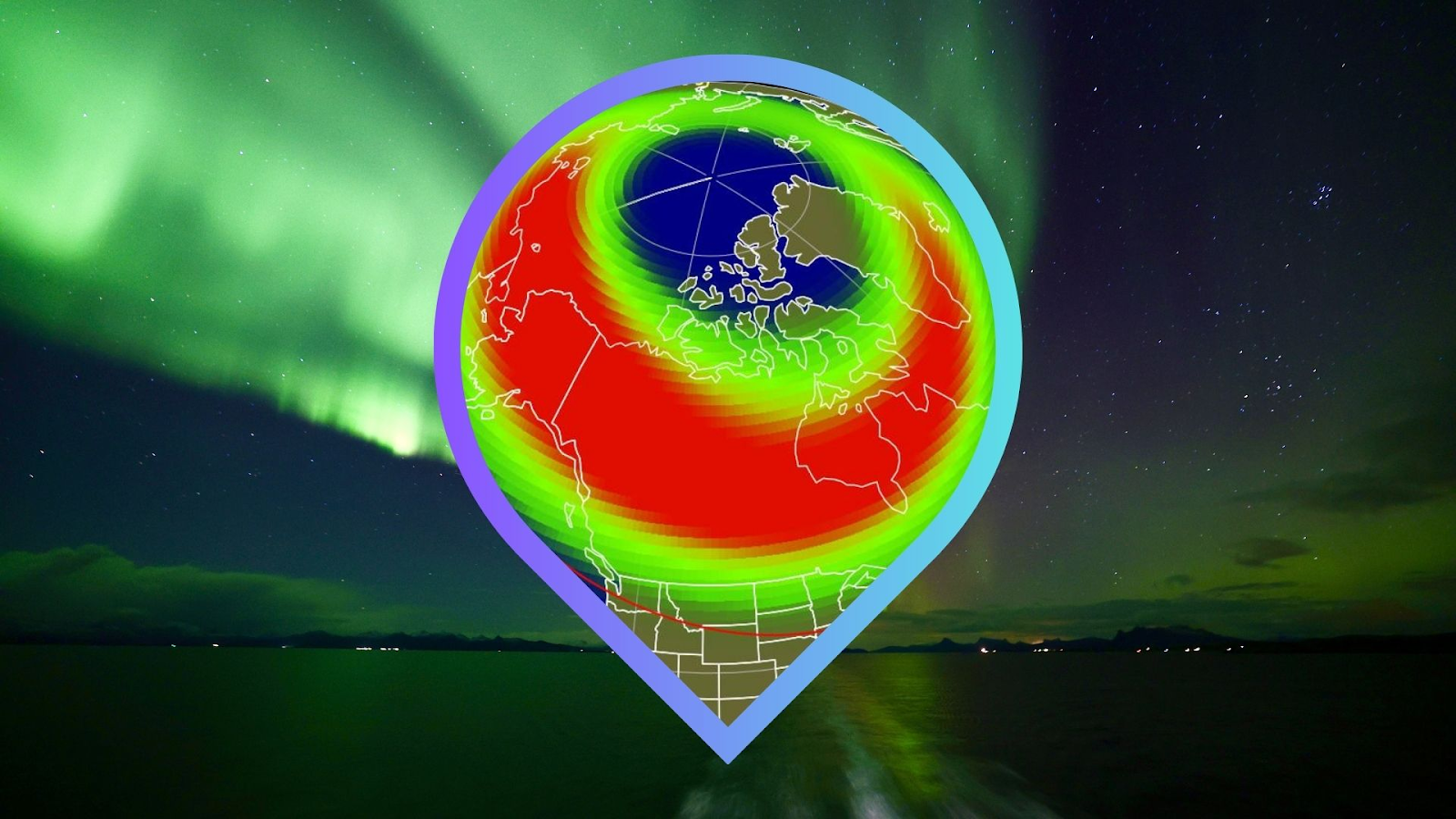
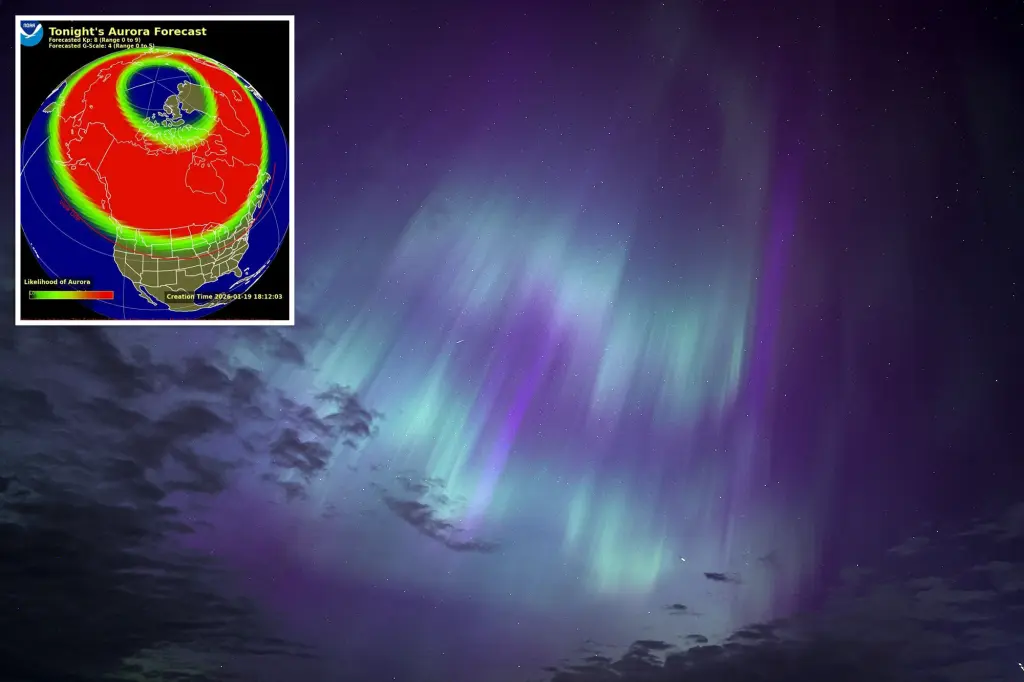
Fact #2: Arctic Auroras Have Been Seen Thousands of Miles From the Arctic
Despite the name, Arctic auroras are not locked to the Arctic Circle.
During powerful geomagnetic storms, auroras have been documented as far south as:
- Texas
- Alabama
- Missouri
- Ohio
- California
These rare events occur when intense solar activity temporarily overwhelms Earth’s magnetic defenses, allowing auroral energy to spread far toward the equator.
For many Americans, their first aurora sighting didn’t happen on a vacation — it happened outside their own home.
Fact #3: Some Auroras Really Do Make Sound
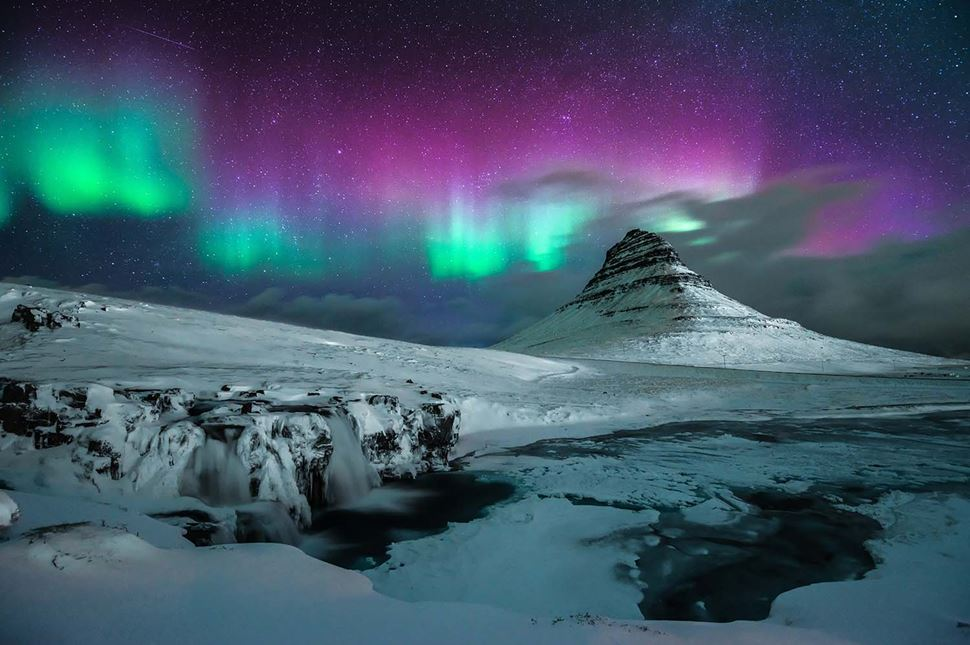
For centuries, people living in northern regions claimed they could hear auroras — faint crackles, pops, or whispers in the air. Scientists dismissed these stories as imagination.
That changed.
Recent research from Finland and Canada suggests that auroras can produce sound under very specific conditions. The sound appears to come from electrical discharges near the ground during strong geomagnetic activity.
While rare, this phenomenon is now accepted as real — making auroras not just visible, but audible.
Fact #4: Green Auroras Are Common — Red Auroras Are More Extreme
Green auroras dominate postcards and travel ads, but they’re not the most energetic type.
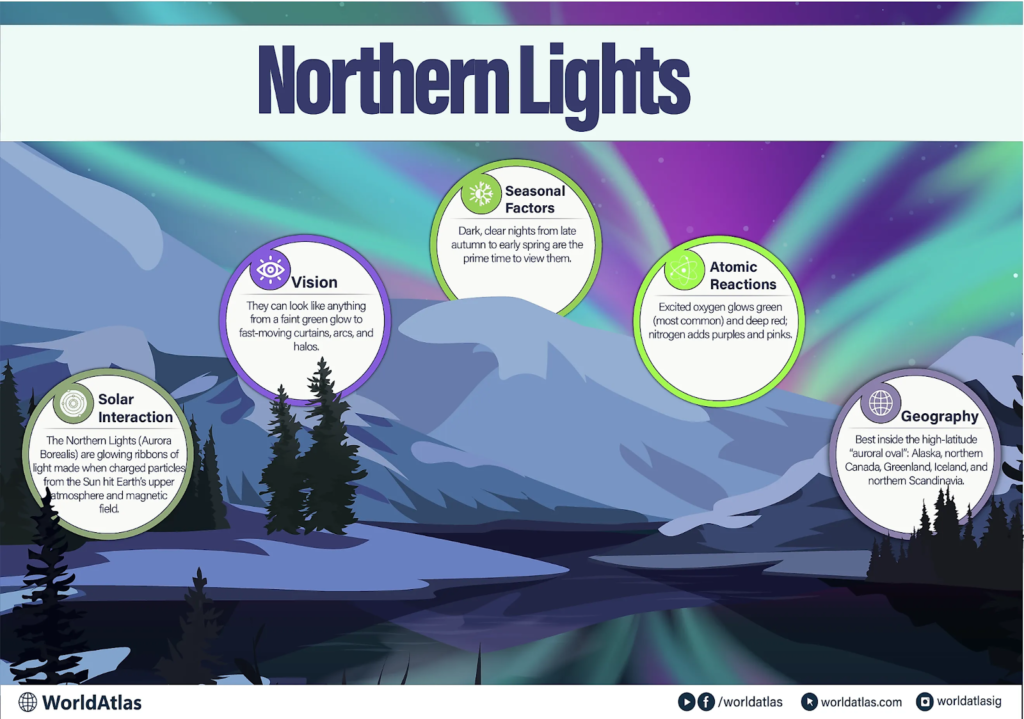
Aurora colors reveal altitude and energy levels:
- Green: Oxygen collisions at lower altitudes
- Red: Oxygen collisions at much higher altitudes
- Purple/Blue: Nitrogen interactions
Red auroras often indicate stronger solar storms and are more commonly seen farther south, where auroras form higher in the atmosphere.
Fact #5: Auroras Follow the Sun’s Hidden 11-Year Mood Cycle
One of the biggest secrets behind aurora frequency is the solar cycle.
The Sun follows an approximately 11-year cycle, shifting between quiet and highly active phases. The most intense period is known as solar maximum.
During solar maximum:
- Sunspots multiply
- Solar flares increase
- Coronal mass ejections become stronger
- Auroras appear more often and farther south
NASA and NOAA confirm the current solar cycle is stronger than early predictions, increasing the odds of rare aurora events.
Fact #6: Some Auroras Move Faster Than Jet Aircraft
Auroras may look slow and graceful, but parts of them move incredibly fast.
Scientists have measured auroral features traveling over 10,000 miles per hour as Earth’s magnetic field rapidly realigns during solar storms.
To the human eye, this appears as:
- Rippling curtains
- Rolling waves
- Sudden flashes across the sky
This rapid movement is why no two aurora displays ever look the same.
Fact #7: Auroras Helped Scientists Discover Earth’s Magnetic Shield
Much of what we know about Earth’s magnetosphere comes from aurora research.
By studying auroras, scientists learned that:
- Earth has a magnetic field that deflects solar particles
- Solar storms can distort that field
- Magnetic activity can affect technology
Auroras became one of the first visible clues that Earth is protected by an invisible force.
Fact #8: Indigenous Arctic Cultures Were Scientifically Accurate — Without the Science
Long before modern instruments, Indigenous Arctic communities noticed patterns in aurora behavior.
They observed that auroras appeared more often during periods of change. Today, scientists understand that auroras increase during solar maximum — times of heightened solar activity.
The explanations differed, but the observations were remarkably precise.
Fact #9: Auroras Can Disrupt Power — and Also Help Prevent Blackouts
Strong auroras signal geomagnetic storms that can induce electrical currents in power lines.
A famous example is the 1989 Quebec blackout, where a geomagnetic storm shut down power to millions.
Today, aurora monitoring helps utilities:
- Reduce electrical load
- Protect transformers
- Prevent large-scale outages
Auroras now serve as early warnings rather than just risks.
Fact #10: Arctic Auroras Are Brighter Than Southern Auroras — Here’s Why
Auroras near the Arctic Circle tend to be brighter because:
- They form lower in the atmosphere
- Magnetic field lines are stronger
- Particle collisions are more intense
Southern auroras form higher up, making them fainter and often redder — but just as scientifically significant.
Fact #11: You Can Stand Under an Aurora and Not Know It
Many people miss auroras even when they’re present.
Auroras can be:
- Too faint for human vision
- Mistaken for clouds or haze
- Visible only through cameras
Smartphone night modes often reveal auroras people didn’t realize they were witnessing.
Fact #12: Auroras Are Happening Almost All the Time
Auroras are far more common than people think.
Satellites show auroras forming constantly on Earth’s night side — even during daylight hours when they can’t be seen.
The lights don’t stop. Visibility does.
Fact #13: Aurora Zones Can Span Entire Continents
During extreme geomagnetic storms, the auroral oval can stretch wider than the continental United States.
This is why auroras can appear simultaneously across dozens of states — and even multiple countries — during major solar events.
Fact #14: Auroras Are One of Nature’s Most Efficient Light Shows
Despite their size, auroras use surprisingly little energy compared to lightning or human power systems.
They convert solar energy directly into light with minimal heat loss, making them one of the most efficient natural light phenomena on Earth.
Fact #15: Scientists Expect Even More Extreme Auroras Soon
NASA and NOAA predict elevated aurora activity for the next several years as solar activity peaks.
This means:
- More Arctic auroras
- More southern sightings
- More once-in-a-lifetime displays
For many people, the most impressive aurora they will ever see may still be ahead.
Why These Aurora Facts Matter Beyond Curiosity
Auroras are not just beautiful — they’re practical.
They help scientists:
- Predict solar storms
- Protect satellites and power grids
- Improve GPS reliability
- Prepare for future space missions
They also remind us that Earth is deeply connected to the Sun in ways we can literally see.
Practical Takeaways for Aurora Watchers
- Follow NOAA space-weather alerts
- Use phone cameras to detect faint auroras
- Look north during geomagnetic storms
- Avoid light pollution when possible
- Be patient — auroras appear in waves
Frequently Asked Questions (10 Trending FAQs)
1. Are Arctic auroras rare?
Auroras are common in the Arctic but rare farther south.
2. Can auroras be seen in the U.S.?
Yes, during strong geomagnetic storms.
3. Why are some auroras red?
Red auroras form higher in the atmosphere.
4. Are auroras dangerous?
No, they are harmless to people.
5. Do auroras affect electronics?
The storms behind them can affect satellites and GPS.
6. Can auroras be predicted?
Yes, usually 1–3 days in advance.
7. Why do cameras see auroras better than eyes?
Cameras collect light over time.
8. Is climate change linked to auroras?
No, auroras are driven by solar activity.
9. When is the best time to see auroras?
Late evening to early morning.
10. Will auroras increase in the future?
Yes, during solar maximum.